
I’ve watched a lot of solar installations happen across Australian homes over the past fifteen years, and there’s a consistent gap between what homeowners think they need to know and what actually determines whether a system performs well or becomes a source of frustration. The technology itself is straightforward enough – photovoltaic cells convert sunlight to electricity – but the real work happens before the panels ever touch your roof. Most of the problems I see aren’t design failures or manufacturing defects. They’re oversights during the planning phase that could have been caught if someone had looked at the property properly.
Australia’s climate diversity matters far more than people realize when they’re comparing quotes from installers. A system that works beautifully in Perth operates under completely different conditions than one in Melbourne or Brisbane. Humidity, salt air near the coast, dust patterns, and the angle of the sun at your latitude all play a role. But the real deciding factor for most homes isn’t the climate zone – it’s the roof itself and what’s actually casting shadow across it.
Roof Condition and Structural Readiness
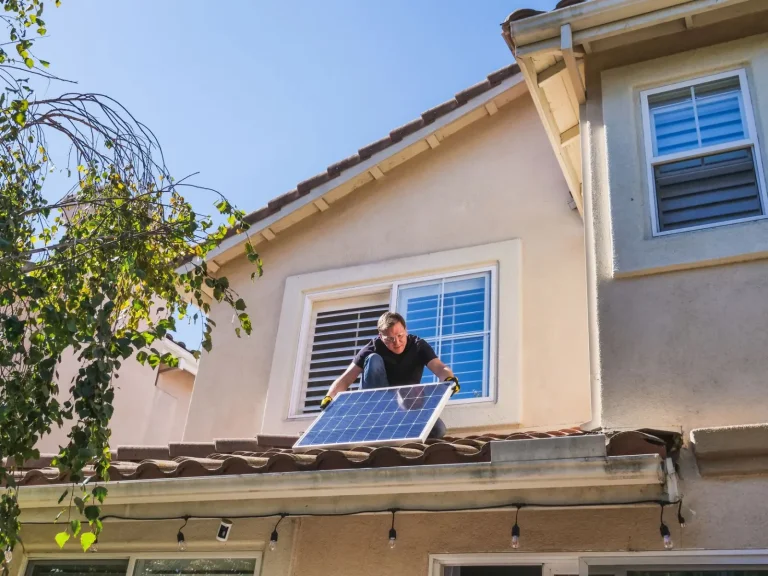
Before any installer should be quoting you a price, they need to get on your roof and spend time looking at it. Not a quick walk-through. I mean actually examining the membrane, checking for soft spots, looking at the flashing, and understanding how old the roof is. This matters because solar panels last twenty-five to thirty years, and your roof needs to last at least that long. If you’re planning to replace the roof in five years, you’ve got a problem. You’ll either pay to remove and reinstall the panels, or you’ll leave them up while roofers work around them – which costs more and creates installation gaps that can leak.
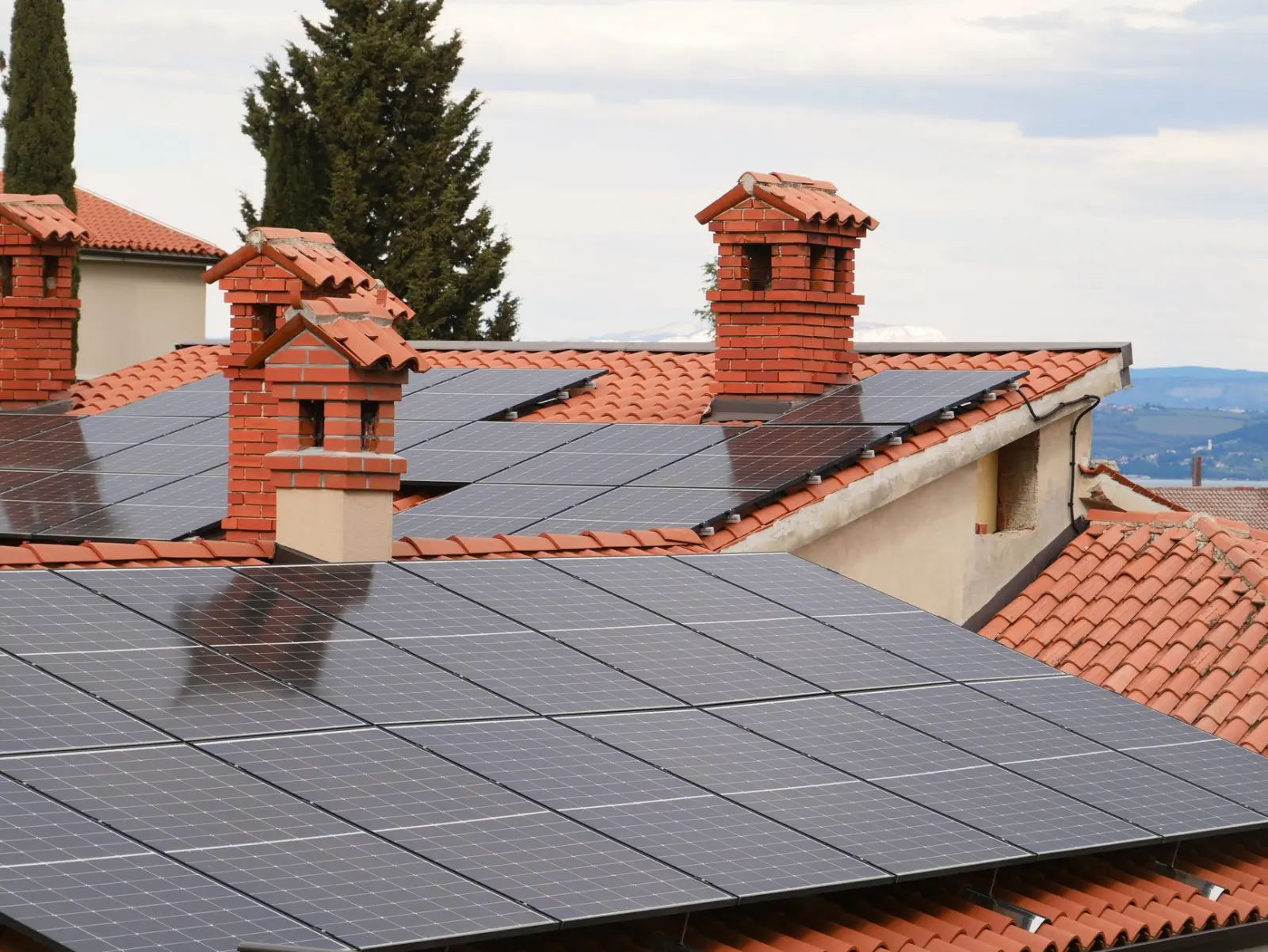
Colorbond and tile roofs are the most common in Australia, and they handle panels differently. Metal roofs expand and contract with temperature swings, which affects how mounting hardware performs over time. Tile roofs need careful drilling and penetration sealing. I’ve seen more water damage from poor flashing around solar mounts than from any other installation error. The hardware itself is usually fine; it’s the interface between the hardware and the roof membrane that fails.
Structural load is another thing that gets glossed over. A typical residential system weighs between 300 and 500 kilograms, depending on the number of panels. Your roof frame needs to handle that, plus wind loading. In Australia, wind speeds vary by region, and building codes account for this. An installer should be checking your local wind speed zone and confirming that your roof structure meets current standards. Older homes sometimes don’t, and that’s not a reason to avoid solar – it just means you need to know about it upfront and factor in any reinforcement costs.
Shading Patterns Change Across the Year
This is where I see the most optimistic assessments. Homeowners will say, “There’s no shade on my roof,” and they’re looking at it in winter when the sun is lower and trees are bare. Come summer, or when trees grow another season, the picture changes. A tree that casts shadow for two hours in the afternoon during June might cast it for five hours in December. Neighboring buildings, fences, and even hills in the distance can throw shade across your panels at certain times of year.
Modern inverters and monitoring systems can handle partial shading better than older technology, but it still reduces output. The loss isn’t proportional – if one panel in a string is shaded, the entire string’s output drops significantly. Microinverters or power optimizers address this by allowing each panel to operate independently, but they cost more. An honest assessment of shading patterns across all seasons should happen before you commit to a system size or configuration. Some installers use solar pathfinding software; others just use experience and observation. Either way, it shouldn’t be rushed.
Grid Connection and Network Constraints
Your local electricity network has limits on how much solar generation it can accept from residential properties. In some areas, particularly newer estates with many solar installations, networks have started capping the size of systems they’ll connect. This isn’t arbitrary – it’s about maintaining grid stability. If your street has twenty homes with 10-kilowatt systems all generating at peak capacity on a sunny day and demand is low, the network can’t absorb all that power safely.
Your installer should confirm with your network operator whether there are any constraints on your property before finalizing the design. Some networks require you to install export limiting equipment, which prevents your system from sending more than a certain amount of power back to the grid. This costs extra and slightly reduces the benefit of your system, but it’s a reality in some areas. Knowing this before installation means you can make an informed decision about system size instead of discovering it after the panels are mounted.
Battery Storage Isn’t Always the Right Next Step
Almost every installer will mention battery storage as a future upgrade. It’s a natural conversation, and batteries are becoming more affordable. But the economics don’t work for everyone yet, and the decision shouldn’t be rushed. A battery system adds significant cost – often thirty to forty percent more than the solar installation itself – and the payback period is longer than solar alone. In areas with high feed-in tariffs, exporting power to the grid is actually more profitable than storing it.
Battery performance also degrades over time, and Australian heat accelerates that degradation. A battery system installed in a garage in Perth will have a different lifespan than one in a climate-controlled space. The warranty terms vary widely, and some warranties only cover defects, not the natural capacity loss that happens over years. If you’re thinking about batteries, it’s worth understanding your local electricity prices, your consumption patterns, and whether you’re motivated by energy independence or financial return. They’re different questions with different answers.
I’ve seen homes where solar alone solved the problem. I’ve seen others where a modest battery system made sense. And I’ve seen installations where neither batteries nor larger panels were the answer – the real issue was consumption patterns or tariff structure. An installer worth their time will explore this with you rather than assuming bigger is better.
Inverter Choice Shapes Long-Term Performance
The inverter converts DC power from the panels into AC power your home uses. It’s not as visible as the panels, but it’s arguably more important to long-term reliability. String inverters are cheaper upfront and work well for unshaded roofs. Hybrid inverters can integrate batteries later. Microinverters cost more but provide better monitoring and handle partial shading. Each has trade-offs that matter over twenty-five years.
Inverter warranties typically run ten to fifteen years, which is shorter than panel warranties. That means you might need to replace it during the life of your system. Some installers include extended warranties; others don’t. The cost difference between a basic warranty and an extended one is usually small relative to the total system cost, but it’s worth asking. A failed inverter leaves you without solar generation until it’s replaced, so reliability matters.
After years of watching systems operate, I’ve noticed that inverter performance is as much about installation quality as the equipment itself. Poor ventilation around the inverter, inadequate cable sizing, or incorrect earthing can shorten its life significantly. This is another area where the installer’s experience and attention to detail matters more than the brand name on the box.
The decision to install solar shouldn’t be rushed, and it shouldn’t be based on a single quote or a salesperson’s timeline. Take time to understand your roof, your shading patterns, your network constraints, and your actual electricity consumption. Ask your installer hard questions about what could go wrong and what they’d do differently if they were installing it on their own home. The best systems aren’t always the biggest or the cheapest – they’re the ones that were designed thoughtfully for the specific property and the people living there.