
Over the past two decades, I’ve watched Australia’s ecosystems respond to warming temperatures and shifting rainfall patterns in ways that go beyond what textbooks predicted. The changes aren’t uniform or sudden – they’re gradual in some regions, dramatic in others, and often interconnected in ways that only become obvious when you’re tracking populations over years. What strikes me most is how little margin for error many native species actually have. They evolved within narrow bands of temperature and moisture, and those bands are moving faster than many animals can follow.
The most visible shifts are happening in the tropical and subtropical zones. Rainforest species that once thrived in stable, humid conditions are now experiencing longer dry seasons. Breeding cycles that relied on predictable wet periods no longer align with rainfall. I’ve seen frog populations decline not because of a single drought, but because the timing of water availability no longer matches when they need to breed. A species that evolved to lay eggs in November when the rains were reliable now faces unpredictable timing – sometimes water comes early, sometimes late, sometimes barely at all. That mismatch compounds across generations.
Temperature Thresholds and Thermal Stress
Many Australian animals operate within tight thermal windows. Reptiles, in particular, depend on specific temperature ranges for metabolism, reproduction, and survival. As average temperatures climb, species that live in cooler microclimates – mountain regions, deep forest understory, or shaded creek beds – are running out of refuge. I’ve observed populations of cool-adapted species contracting upslope or toward water sources, which concentrates them into smaller areas and increases competition for limited resources.
The issue becomes acute during heat waves. A species can tolerate a 2-degree average increase if it occurs gradually, but a sudden spike to 45 degrees Celsius for weeks on end creates immediate mortality. Breeding adults fail to reproduce. Juveniles don’t survive to maturity. Insects that form the base of food webs die off in mass events, which cascades upward through predators. I’ve documented years where a single severe heat event set back a population by a decade in terms of recovery.
Rainfall Patterns and Habitat Drying
Australia’s interior and semi-arid regions are experiencing longer intervals between rainfall events, and when rain does come, it’s often more intense but less frequent. This fundamentally changes how water persists in the landscape. Waterholes that once held water year-round now dry up by mid-year. Vegetation that depends on consistent moisture stress and fail to regenerate. Herbivores that migrated between water sources in predictable patterns now find those routes broken.
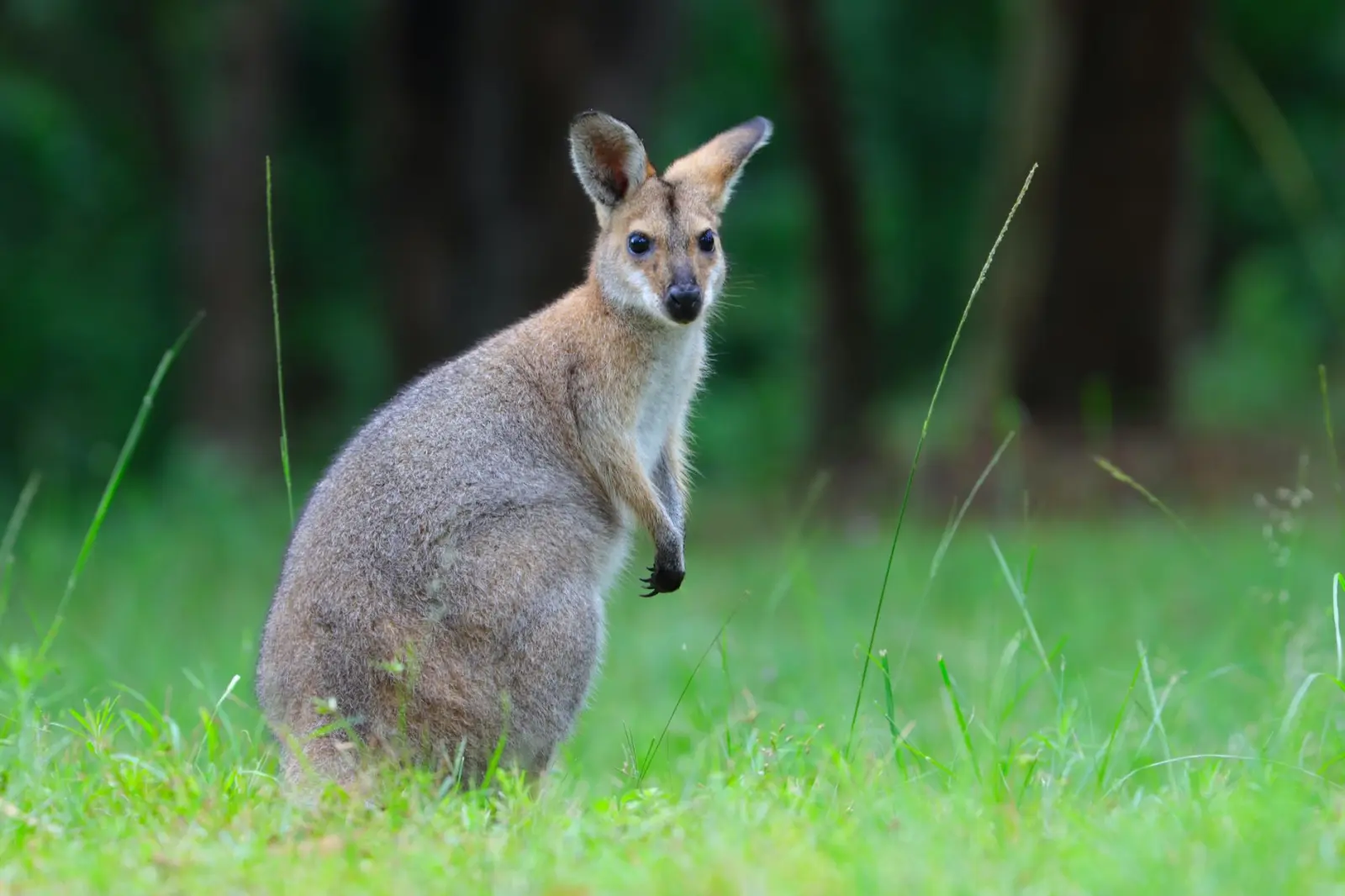
I’ve watched this play out in the outback, where species like wallabies and emus have always moved in response to available forage and water. The traditional patterns – move north in dry season, return south when rains come – still exist in the animals’ behavior, but the environmental cues that triggered those movements are becoming unreliable. Some populations adapt by shifting their ranges, but that brings them into conflict with other species or into areas where resources are equally scarce. Others simply decline.
Wetland ecosystems are particularly vulnerable. Inland lakes and swamps that support waterbirds, fish, and invertebrates depend on consistent inflow. Reduced rainfall means lower water levels, which concentrates salts and changes water chemistry. Fish breeding grounds shrink. Nesting sites for water birds disappear. I’ve seen wetlands that were productive ecosystems a decade ago become dry, salt-crusted basins that support almost nothing.
Fire Regimes and Landscape Fragmentation
The fire season in Australia is starting earlier and lasting longer. Hotter, drier conditions create tinderbox landscapes where fires burn more intensely and spread faster. This isn’t just about individual fires – it’s about the cumulative effect on species that evolved under different fire regimes.
Many Australian plants and animals adapted to fire, but they adapted to fire patterns that occurred at intervals they could survive. A species that recovers from fire in 15 years can’t do so if fires return every 5 years. I’ve observed areas where repeated intense fires have eliminated species that were fire-adapted but needed longer recovery windows. The landscape changes from a mosaic of different-aged patches to a landscape of uniform young regrowth, which favors some species and eliminates others.
Small, isolated populations are hit hardest. A fire that sweeps through a fragmented habitat can eliminate an entire local population with no nearby source for recolonization. I’ve documented species that survived individual fires but went extinct locally because the next fire came before populations could recover. Habitat fragmentation – which was already a problem from land clearing – becomes catastrophic when combined with more frequent fires.
Phenological Mismatch and Food Web Disruption
One of the most insidious impacts is the mismatch between species that depend on each other. Plants flower at different times than they used to. Insects emerge earlier. Predators that time their breeding to coincide with peak prey availability find that timing is off by weeks. A bird species that arrives to breed when insects should be abundant finds them already past peak abundance. Chicks starve despite being in an area with food.
I’ve seen this happen repeatedly in temperate regions. A eucalypt that used to flower in November now flowers in October. The insects that pollinate it have shifted their emergence, but not by the same amount. The birds that eat those insects are still arriving on their traditional schedule. The cascade of mismatches ripples through the food web, and populations decline even though individual species might be able to tolerate the temperature changes themselves.
Predator-prey relationships are particularly sensitive. Predators often have longer generation times and slower reproductive rates than their prey. If prey populations crash due to phenological mismatch or habitat loss, predators can’t respond quickly enough. I’ve observed apex predators like raptors and large carnivores struggling not because of direct climate impacts, but because their food sources have become unreliable or depleted.
Range Shifts and Colonization Barriers
As conditions change, species naturally attempt to move toward suitable habitat. A species that thrived at sea level might shift toward cooler mountains. One that preferred wet coastal forests might move inland toward wetter regions. But these movements are constrained by geography, existing land use, and the presence of other species already occupying those spaces.
I’ve tracked species attempting to expand their ranges into areas that are climatically suitable but ecologically occupied. A reptile species moving upslope encounters a different predator community, different vegetation, different food sources. Some adapt and establish new populations. Others fail because the new habitat, while climatically suitable, lacks the specific resources they need. Range shifts that look possible on a climate map often fail in reality.
Coastal species face a hard barrier – the ocean. As sea temperatures warm, marine species are moving poleward, but terrestrial species at the coast have nowhere to go. Populations get compressed into smaller areas or face local extinction. I’ve observed this in coastal heathlands and rocky shores, where species distributions are being squeezed between warming temperatures and the sea.
The real challenge isn’t any single impact – it’s the combination. A species facing higher temperatures might adapt if rainfall remained stable. If rainfall becomes erratic but fire frequency stayed the same, populations might persist. But when temperature, moisture, fire frequency, and phenological timing all shift simultaneously, and when habitat fragmentation limits movement, many species run out of options. That’s what I’m seeing across Australia right now, and it’s likely to intensify over the coming decades.