
After years of working in homes where square footage is at a premium, I’ve noticed that most people approach storage as an afterthought. They wait until closets overflow, then scramble to find space. The ones who manage it well don’t follow a formula – they understand how their home actually functions and where dead space naturally accumulates.
The difference between a storage solution that works and one that becomes clutter is rarely about the product itself. It’s about whether the storage lives where you actually need it and whether you can realistically access and maintain it. I’ve seen expensive built-ins gather dust because they’re in the wrong spot, and I’ve watched simple wall shelves become indispensable because they’re installed exactly where someone reaches for something daily.
Vertical space is the obvious move, but placement matters more than height
Wall storage gets recommended constantly, and for good reason – it works. But I’ve noticed homeowners often install shelving or cabinets in places that create more problems than they solve. A shelf above a doorway looks clever until you realize you can’t reach what’s on it without a step stool, and then it becomes a dust collector. The same shelf placed at eye level in a hallway, where you’re already standing, becomes genuinely useful.
Corner spaces tend to be wasted in small homes. Most people don’t think about them until they’re already living with the wasted footage. A corner shelf unit or a tall, narrow cabinet can hold a surprising amount without eating into the room’s usable floor space. I’ve found that corner storage works best when it’s shallow – 12 inches deep or less – because deeper units feel like they’re taking over the room even when they’re technically not.
The height at which you install shelving changes everything about whether it gets used. Lower shelves, around waist height, are where things actually go. Upper shelves work for seasonal items or things you rarely touch. If you’re storing everyday items, they should be between eye level and shoulder height. It sounds basic, but I see a lot of shelving installed high just because there’s wall space there.
Closet systems often fail because they’re designed for ideal conditions
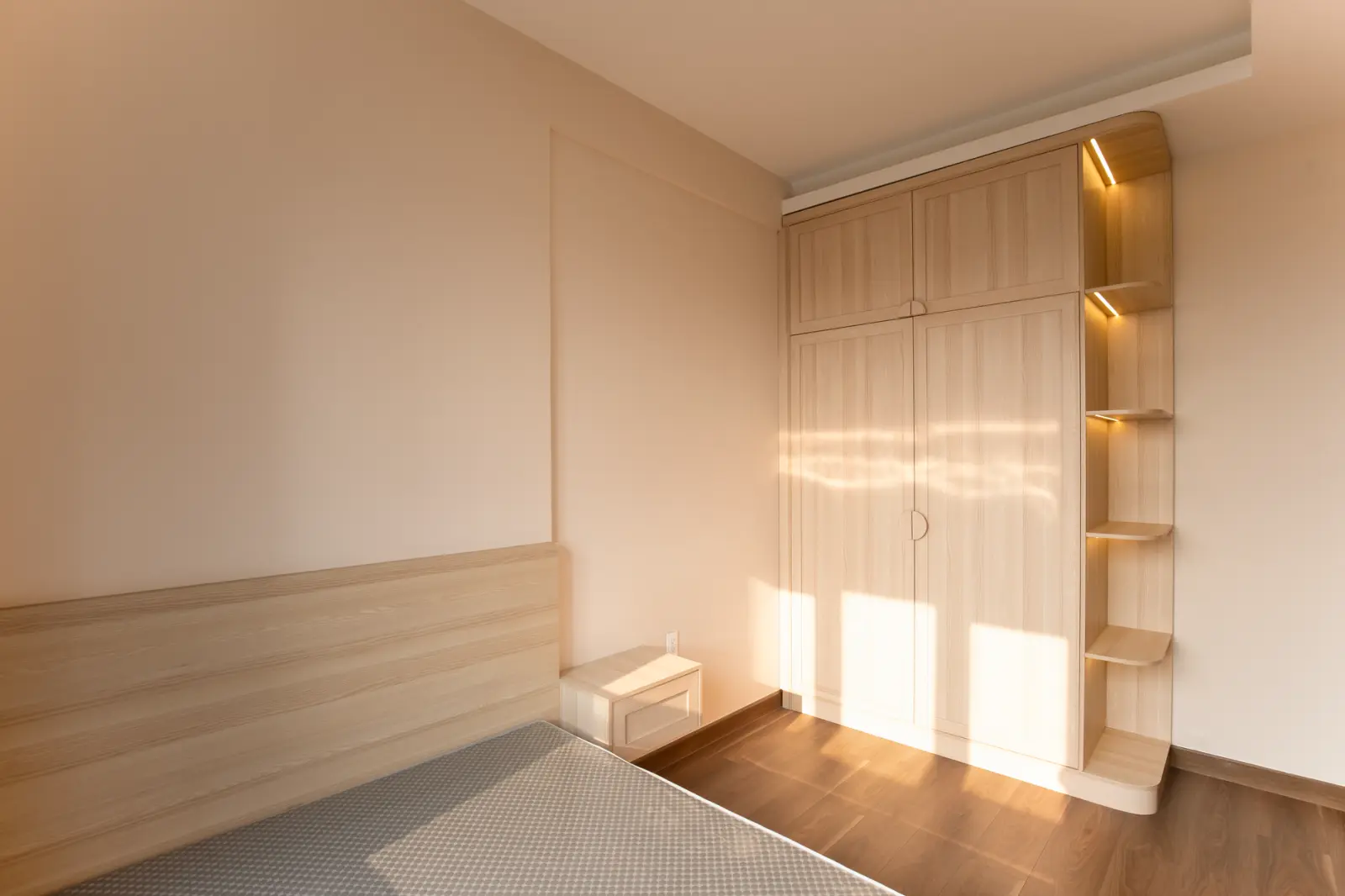
Standard closet organizers assume you have a certain amount of hanging space and a certain amount of shelf space. Real homes don’t work that way. A bedroom closet might be deep but narrow. A hall closet might be wide but shallow. Forcing a pre-made system into a space it wasn’t designed for creates frustration and wasted money.
I’ve had better results with modular systems that can be customized to the actual dimensions. Double rods work in some closets and create a tangled mess in others, depending on what you’re actually hanging. Shelving above hanging space is useful until you realize you can’t reach it without moving everything below it first. The best closet setups I’ve seen are the ones where someone measured their actual clothing and belongings, then built around that, rather than installing a system and hoping the belongings would fit.
Closet doors themselves take up floor space when they swing open. In very small homes, sliding doors or pocket doors can reclaim several square feet. It’s a small change, but in a tight space, every bit counts.
Under-bed storage has limits you discover too late
Storing things under a bed seems logical until you actually try to retrieve them. Low-profile bins work better than tall ones, but you still need enough clearance to slide them out. Beds on legs are better than platform beds for this reason. The real issue is that under-bed storage becomes a dumping ground for things you don’t want to see. It works fine if you’re genuinely rotating seasonal items, but most people just forget what’s under there.
I’ve noticed that under-bed storage works best for specific categories – off-season clothing, extra bedding, rarely-used items. When people try to use it as general storage, it becomes a black hole. The items that end up there are often the ones that should have been discarded years ago.
Furniture that doubles as storage changes how a small space functions
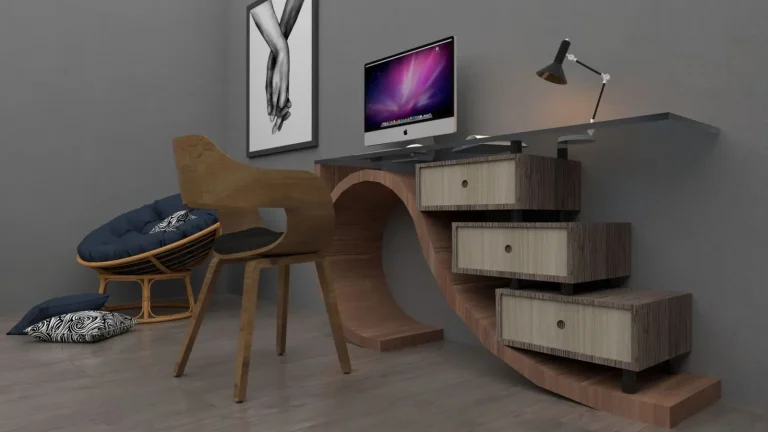
A bench with storage underneath, an ottoman with a hollow interior, a bed with drawers built into the frame – these work because they don’t add visual clutter. They look like normal furniture while solving a storage problem. The key is choosing pieces that match your actual needs and your home’s style, not just grabbing something because it has storage.
Dining tables with shelves underneath, kitchen islands with cabinets, even coffee tables with drawers – these are useful only if you actually use that storage regularly. I’ve seen beautiful storage ottomans that never get opened because they’re positioned in a way that makes accessing them awkward. If you’re going to buy furniture for storage, place it where you’ll actually open it and use it.
Kitchen and bathroom storage often determines how functional those rooms feel
These rooms are where storage directly impacts daily life. A small kitchen without adequate storage becomes frustrating fast. Wall-mounted spice racks, magnetic knife strips, open shelving above the sink – these solutions work because they’re visible and accessible. The items you use daily should be stored where you can reach them without moving other things first.
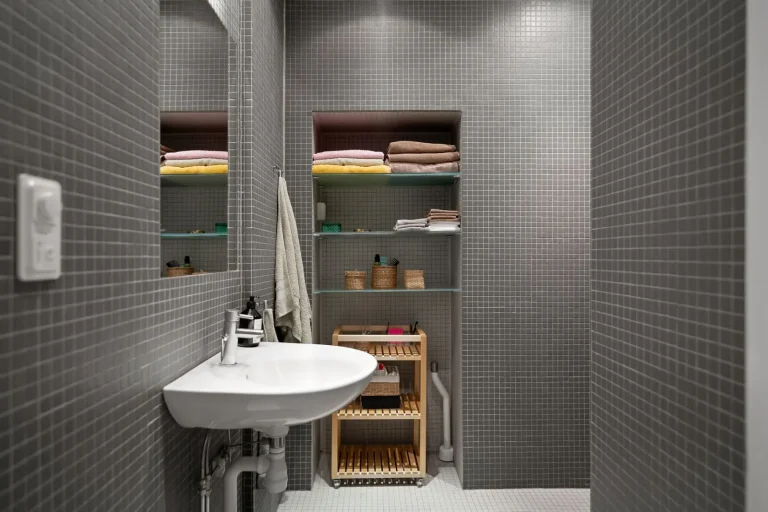
Bathrooms benefit from vertical storage more than any other room. Medicine cabinets, wall-mounted shelves, tall narrow cabinets in corners – they keep clutter off the counter while keeping things within reach. Bathroom clutter tends to accumulate faster than in other rooms, so storage that makes it easy to put things away matters.
Small spaces demand storage that’s thoughtful about access and visibility. The solutions that last are the ones that work with how you actually live, not against it. After seeing countless storage projects succeed and fail, the pattern is clear: the best storage is the kind you use regularly without thinking about it.