
Over the past fifteen years, I’ve watched the fire season calendar in Australia shift noticeably. What used to be a fairly predictable window – late spring through early autumn – has become something far less defined. The fires now arrive earlier, linger longer, and the intensity patterns have become harder to anticipate. This isn’t speculation based on a single hot summer. It’s a pattern I’ve observed across multiple regions, and it’s changing how homeowners need to think about property maintenance and readiness.
The most obvious change is the timing. Fires that once started reliably in November now begin in September, sometimes even August. I’ve been called out to properties in late winter where residents weren’t expecting fire risk at all, yet conditions were already dangerous. The shoulder seasons – spring and autumn – have become less reliable as buffers. A dry August followed by hot September winds creates the same conditions that used to occur in December, except people aren’t mentally prepared for it.
What’s particularly important to understand is that earlier fire seasons mean vegetation dries out faster. Trees, shrubs, and grass that would normally retain some moisture through spring now dry to tinder conditions weeks earlier than they used to. I’ve noticed this directly when assessing properties for fire risk. Vegetation that looks manageable in mid-September can be critically dry by early October. The window for safe clearing and maintenance has compressed, and many people miss it because they’re still thinking in terms of the old calendar.
Duration and Intensity Patterns
The season doesn’t just start earlier – it runs longer. Fires that would have been largely contained by April now sometimes persist into May. I’ve worked on post-fire assessments in late autumn that would have been unthinkable twenty years ago. This extended window creates a compounding problem: vegetation has less time to recover between seasons, soil moisture patterns shift, and the cumulative stress on the landscape increases.
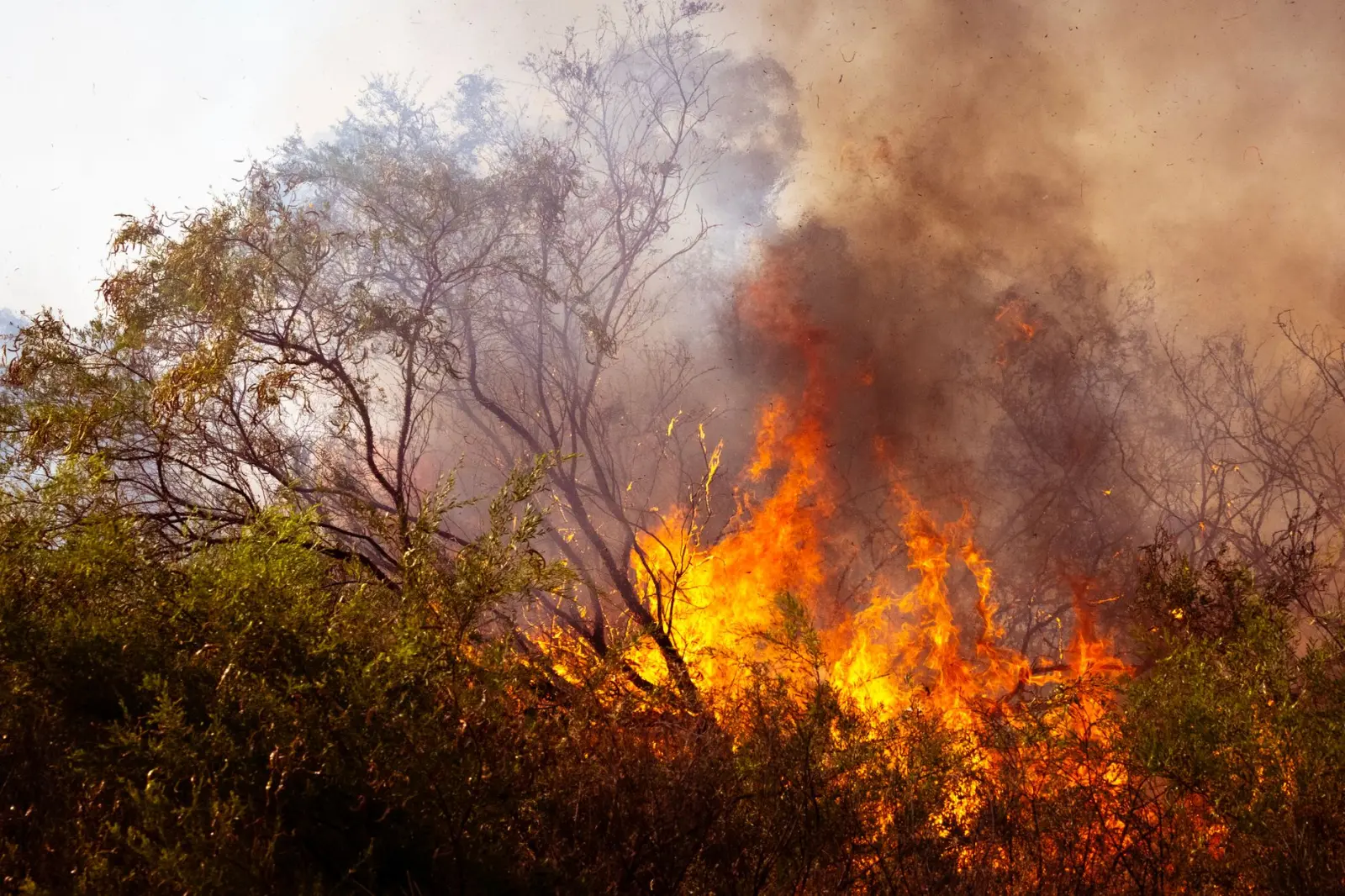
Intensity is another factor that’s changed. The fires I see now tend to move faster and burn hotter when conditions align. This isn’t just about temperature records, though those matter. It’s about the combination of low humidity, wind patterns, and fuel moisture all converging at the wrong moment. When these elements stack up, the fire behavior becomes more aggressive and harder to predict. Properties that might have survived a 1990s fire under similar weather conditions sometimes don’t survive today’s equivalent.
What This Means for Property Readiness
The practical implication is that homeowners need to shift their thinking about when to prepare. The traditional approach of spring cleanup and autumn checks no longer works well. I now recommend that people treat late winter and early spring as critical preparation windows. If you wait until October to clear gutters and trim trees, you’re already behind. The dry season is already underway by then.
Gutters and roof spaces are where I see the most problems. Debris accumulation that would have been a minor issue in an old-style fire season becomes critical when fires arrive six weeks earlier. I’ve inspected properties where autumn leaves were still in gutters when the fire risk spiked in September. The window for that cleanup has shifted, and many people haven’t adjusted their routines accordingly.
Water access and storage has become more important too. With fire seasons lasting longer, the demand on water supplies increases. Properties that relied on municipal water pressure during a fire now sometimes face situations where demand outstrips supply. I’ve seen this during extended fire events where multiple properties are drawing water simultaneously. Having independent water storage – a tank or pool that can be accessed without relying on mains pressure – has shifted from being nice-to-have to genuinely valuable.
Vegetation Management in a Changing Calendar
The species composition around properties matters more now than it used to. Some plants that were considered relatively safe in a traditional fire season become problematic when the season starts earlier. I’ve noticed that certain trees and shrubs dry out faster than expected, and their fire behavior has changed. This doesn’t mean removing everything, but it does mean being more selective about what you keep close to structures and understanding how quickly different plants dry out.
Spacing and clearance requirements have become more critical. The old guidelines about clearing vegetation to certain distances from buildings still apply, but the urgency is higher. When fire season arrives in September instead of November, you have fewer weeks to complete that work safely. I’ve had to advise people to accelerate their clearing schedules just to finish before conditions become too dangerous to work outdoors.
Native vegetation recovery is also worth considering. In areas where fires now occur more frequently and with less time between events, some native species struggle to recover. This changes the landscape composition over time, which in turn affects fire behavior and fuel load. I’ve noticed this particularly in regions that experience back-to-back fire seasons with minimal recovery time. The vegetation that comes back is sometimes different from what was there before, and it behaves differently in a fire.
Planning and Response Changes
Emergency services are adapting to these shifts, and homeowners need to as well. The traditional evacuation windows are sometimes shorter now. I’ve worked with properties where the decision to leave needed to happen faster than residents expected because fire behavior accelerated. The old assumption that you’d have until late afternoon to decide whether to stay or go doesn’t always hold anymore.
Communication about fire risk has become more important and more frequent. Warnings that used to come in November now come in August and September. Staying informed requires actively checking conditions and alerts rather than waiting for the obvious seasonal cues. I’ve noticed that people who rely on habit and seasonal intuition are more likely to be caught off guard now than those who actively monitor conditions.
Insurance and property assessment practices are slowly catching up to these changes, but there’s often a lag. Some properties are being assessed for fire risk based on old seasonal patterns, which can underestimate actual exposure. If you’re getting your property evaluated, it’s worth ensuring the assessor understands the current fire season timeline, not the one from ten years ago.
The shift in Australia’s fire seasons isn’t dramatic from year to year, but across a decade and a half, it’s substantial. The practical reality for homeowners is that preparation schedules need to move earlier, water security has become more valuable, and the assumption that fire risk follows a predictable calendar no longer holds. These aren’t catastrophic changes, but they do require adjustment. The properties that manage best are those where owners have recognized that the old seasonal rhythms no longer apply and have adapted their maintenance and readiness accordingly.