
Over the past fifteen years, I’ve watched the patterns shift in ways that are hard to ignore. The waters off Australia’s coasts are warming at a rate that outpaces global averages, and the effects ripple through everything from fishing grounds to coral reefs to the way storms behave. This isn’t speculation based on models or projections – it’s observable in real time, in the behavior of fish stocks, in the timing of seasonal events, and in the physical properties of the water itself.
The East Australian Current, which runs down the eastern seaboard, has intensified noticeably. Warm tropical water pushes further south than it used to, and it does so more forcefully. Fishermen and marine researchers have documented this shift for years. The current now regularly reaches areas that were once reliably cool, bringing species with it that weren’t historically present in those latitudes. This isn’t a minor drift – it’s a structural change in how water circulates around the continent.
What makes Australia’s situation distinct is geography. The continent sits in a region where multiple ocean systems converge and interact. The Indian Ocean warms from the west, the Tasman Sea brings influence from the east, and the Southern Ocean creates a southern boundary. When global ocean temperatures rise, Australia doesn’t experience a uniform increase. Instead, certain regions amplify the warming effect through feedback loops and current intensification, while others remain relatively buffered.
Temperature Rise and Marine Habitat Shifts
The measurable warming in Australian waters has accelerated since the early 2000s. Sea surface temperatures along the east coast have risen roughly twice as fast as the global ocean average over recent decades. This isn’t just a number on a chart – it translates to genuine ecological consequences. Kelp forests that once thrived in southern waters are retreating or disappearing entirely. Sea urchins, which feed on kelp, explode in population when their primary food source weakens, creating what marine ecologists call urchin barrens – areas stripped of kelp and other vegetation.
Coral bleaching events have become more frequent and intense. The Great Barrier Reef has experienced multiple mass bleaching episodes in the past decade alone. When water temperatures exceed the thermal tolerance of the symbiotic algae living in coral tissue, the corals expel those algae and lose their color and primary food source. Some corals recover if temperatures drop quickly enough, but repeated stress events make recovery harder. I’ve seen reefs that were vibrant a decade ago now dominated by rubble and algae-covered dead coral.
Fish populations are responding by shifting their ranges. Species that prefer cooler water are moving deeper or further south. Warm-water species are expanding into areas where they were previously rare or absent. This creates winners and losers in the fishing industry. Some traditional fishing grounds become less productive while new opportunities open in unexpected places. The economic and social implications are significant for communities that have depended on stable fish stocks for generations.
Oxygen Depletion and Dead Zones
Warmer water holds less dissolved oxygen. This is a straightforward physical property, but the consequences are profound. As ocean temperatures rise, oxygen-poor zones expand, particularly in deeper waters and in areas where circulation patterns trap stagnant water. These hypoxic zones – regions with dangerously low oxygen – create barriers that many fish species cannot cross. They also stress species that do live in those areas, making them more vulnerable to disease and less able to reproduce successfully.
The continental shelves around Australia, particularly off the east and south coasts, are experiencing this effect. Seasonal dead zones appear where oxygen becomes depleted enough to kill most marine life. These zones aren’t permanent in the way some ocean dead zones are, but their frequency and intensity are increasing. Fishermen report encountering these areas more often and having to adjust their operations accordingly.
Storm Intensity and Coastal Erosion
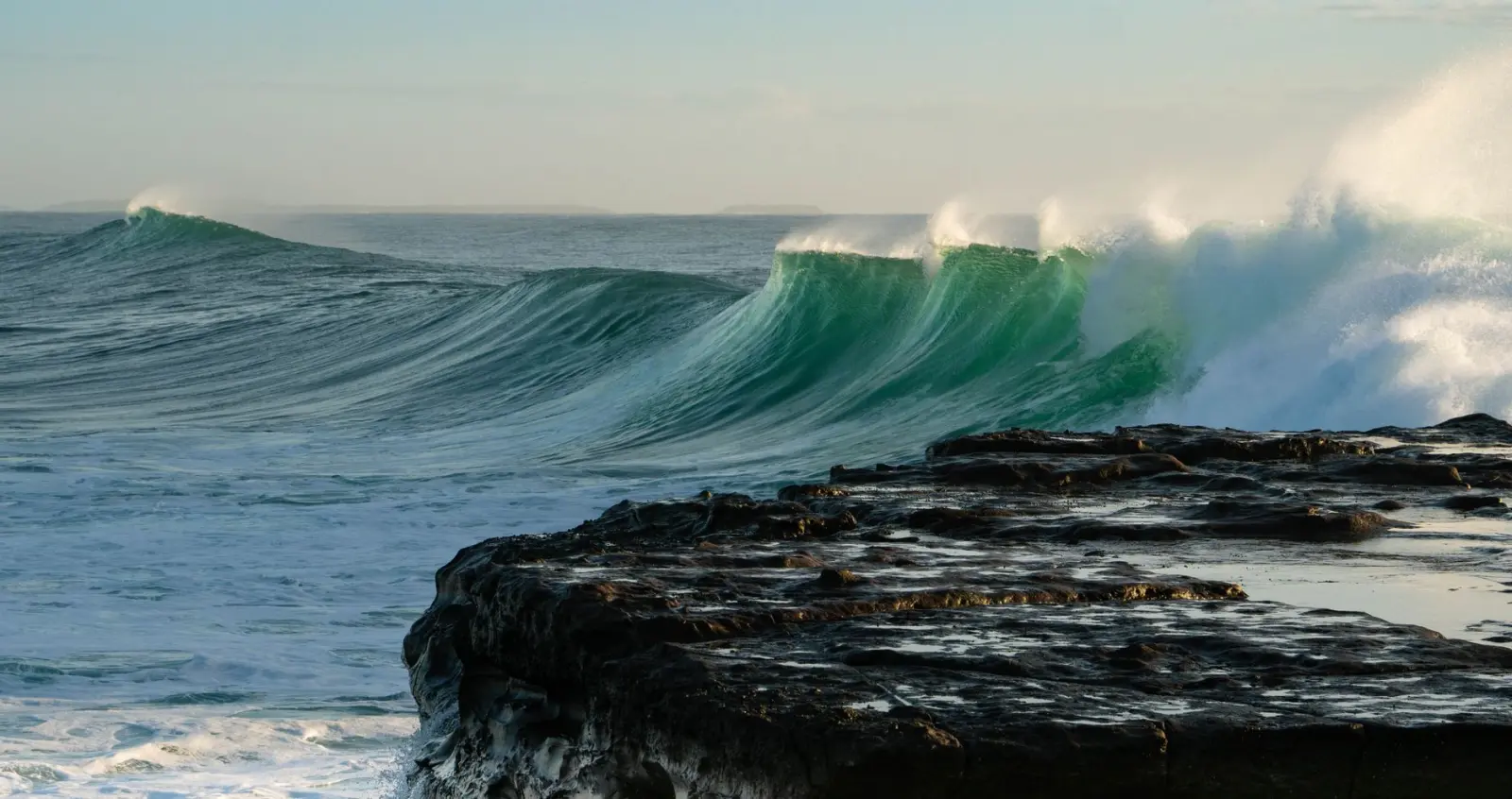
Warmer oceans fuel more intense storms. This is established physics – tropical cyclones draw energy from warm water, and when that water is warmer than historical norms, storms can intensify more rapidly and reach higher wind speeds. Australia’s tropical and subtropical coasts have experienced this firsthand. Cyclones that would have been category 3 storms a few decades ago now reach category 4 or 5 with greater frequency.
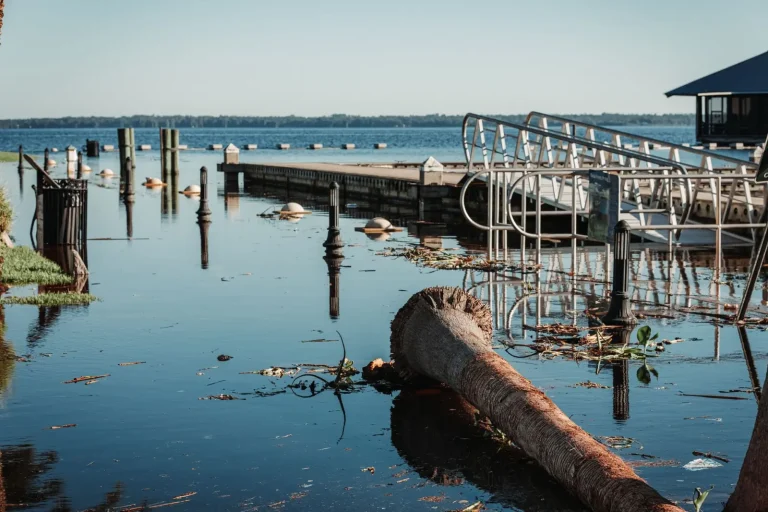
The combination of more intense storms and rising sea levels compounds coastal erosion. Storm surge pushes water further inland than it once did, and the baseline water level is already higher. Coastal communities that built infrastructure based on historical storm surge data now find that data is becoming obsolete. Seawalls, boat ramps, and low-lying properties face inundation more often. Some erosion that was expected to occur over decades is now happening in years.
Changes in Nutrient Cycling and Productivity
Ocean productivity depends partly on upwelling – the process where deep, nutrient-rich water rises to the surface. This upwelling is driven by wind patterns and current dynamics, both of which are shifting. In some regions around Australia, upwelling has weakened, reducing the supply of nutrients that fuel the base of the food chain. In other regions, the timing of upwelling has shifted, creating a mismatch between when nutrients arrive and when plankton and fish larvae are ready to feed on them.
This timing mismatch is subtle but consequential. A shift of just a few weeks in when peak productivity occurs can mean the difference between a strong recruitment year for fish stocks and a weak one. Over multiple years, these mismatches compound, affecting population stability.
Acidification and Shell-Forming Organisms
As the ocean absorbs more carbon dioxide from the atmosphere, the water becomes more acidic. This affects organisms with calcium carbonate shells or skeletons – pteropods, mollusks, echinoderms, and many others. The more acidic water makes it harder for these organisms to build and maintain their shells. Some species show reduced growth rates or increased dissolution of their shells even before they reach reproductive maturity.
In Australian waters, this has implications for species like abalone and rock lobster, which have cultural and economic significance. It also affects less visible organisms like pteropods, which are crucial food for many fish species. A decline in pteropod populations can cascade through the food web, affecting larger predators that depend on them.
The changes unfolding in Australian oceans aren’t isolated events or temporary fluctuations. They represent a fundamental shift in how the ocean system functions around the continent. Some of these changes will continue to accelerate. Others may stabilize at a new equilibrium. What remains clear is that the marine environment that supported human communities for thousands of years is in the midst of rapid transformation. Understanding these shifts and adapting to them is becoming essential for anyone whose livelihood or wellbeing depends on the ocean.