
After twenty years of watching roofs fail, I’ve learned that the decision between restoration and replacement rarely comes down to a single factor. Most homeowners assume it’s either one or the other, but the reality is more nuanced. What looks like a straightforward choice often depends on conditions you can’t see from the ground, the actual remaining lifespan of the structure, and how much money you’re willing to spend now versus later.
The first thing I do when someone asks about their roof is look at the age. A roof that’s fifteen years old behaves differently than one that’s twenty-five. Asphalt shingles typically last between 20 and 25 years in moderate climates, though that timeline compresses in harsh weather or shortens if the attic ventilation was never right. If you’re at year twelve or thirteen and seeing minor damage, restoration makes sense. If you’re at year twenty-two and the shingles are curling, restoration is usually just delaying the inevitable.
What Restoration Actually Fixes
Roof restoration, as I’ve seen it done well, addresses specific problems without tearing everything off. This means repairing localized damage, replacing a section of compromised shingles, sealing leaks, addressing flashing failures, and cleaning debris. It’s a targeted intervention. The roof structure stays intact. You’re not starting from zero.
I’ve completed hundreds of restoration jobs where the homeowner was shocked at how much better the roof performed afterward. A properly sealed flashing around a chimney, new shingles in the valley where water naturally concentrates, and clearing out moss or algae can genuinely extend a roof’s life by five to eight years. The key is that the underlying structure – the decking, the trusses, the ventilation system – is still sound. If those elements are compromised, restoration becomes a temporary patch.
The cost difference is significant. A restoration typically runs 30 to 50 percent of what a full replacement costs. That matters to most people. But I’ve also seen homeowners spend $8,000 on restoration, then need a $20,000 replacement three years later because the underlying problem was worse than the surface suggested. That’s the real risk of restoration: it can feel like a win until it isn’t.
Replacement: When the Structure Is Failing
Replacement means removing everything down to the decking, inspecting what’s underneath, and installing a completely new system. This is expensive and disruptive, but it’s also the only way to address problems that restoration can’t touch.
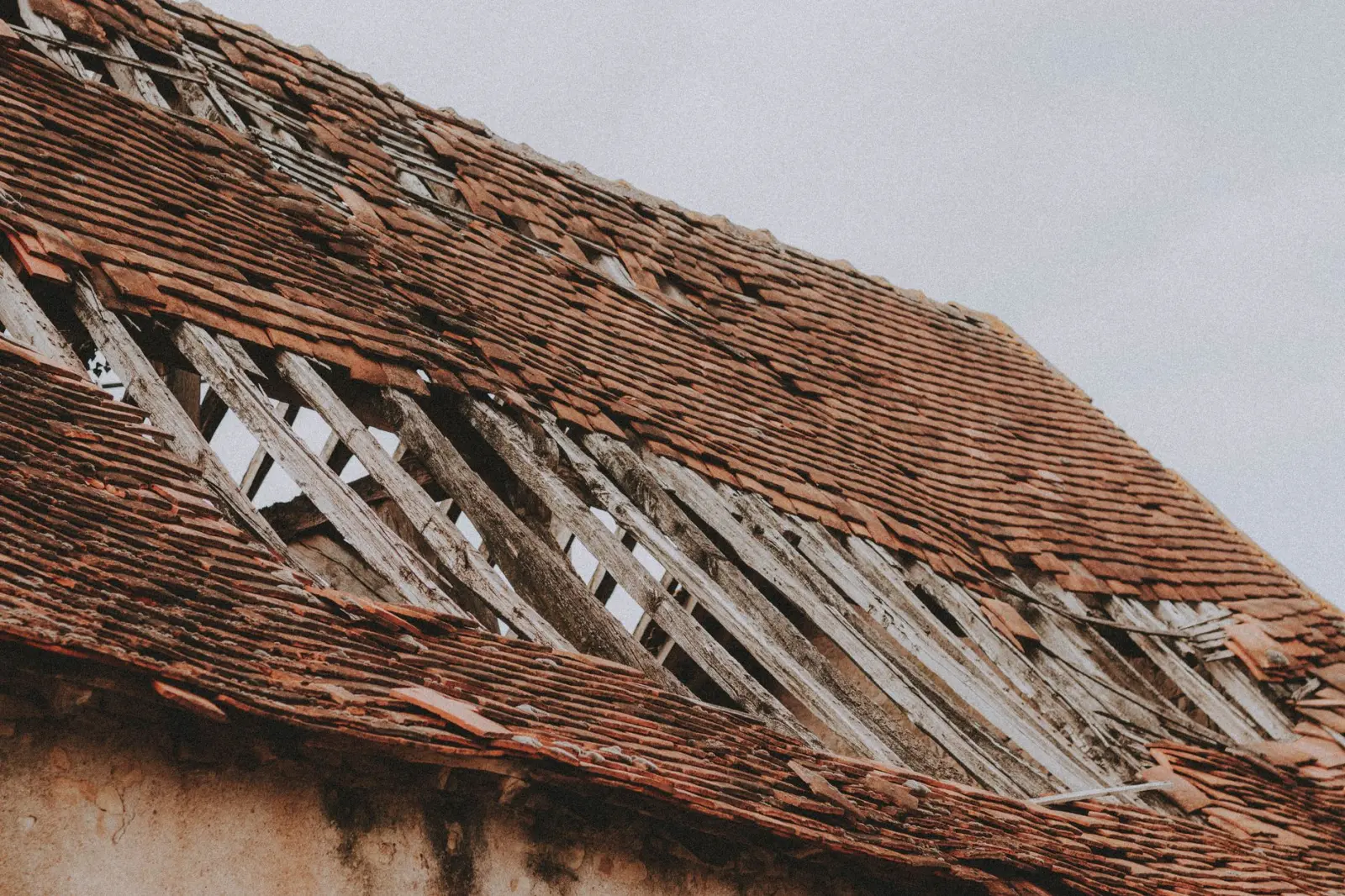
I recommend replacement when I see soft spots in the decking – areas where the plywood or boards have absorbed water and lost structural integrity. When I press my boot on the roof and it gives, that’s not a restoration situation. I also recommend replacement when the ventilation system is inadequate or damaged, because no new shingles will perform well if warm, moist air is trapped in the attic. Poor ventilation causes premature failure regardless of shingle quality.
Flashing that’s rusted through, multiple active leaks in different areas, or visible sagging are other clear signals. These aren’t isolated problems. They indicate systemic failure. A new roof won’t fix them, but replacement gives you the chance to address the underlying issues at the same time. You can improve ventilation, upgrade flashing materials, and ensure proper deck preparation.
The other reason to replace is simple age combined with damage. If your roof is twenty-three years old and has hail damage or wind damage, restoration is fighting against time. You might get three good years. A replacement gives you twenty-five years of protection. The math works differently when you’re near the end of the roof’s natural life anyway.
The Hidden Variables
Attic ventilation is the variable I see overlooked most often. A roof that looks fine but sits above a poorly ventilated attic will fail faster than it should. Heat and moisture accumulate. Shingles curl and crack prematurely. If restoration doesn’t include improving ventilation, you’re not really solving the problem. This is why I always ask about attic conditions before recommending restoration.
Climate matters too. In areas with intense sun and temperature swings, shingles age faster. In wet climates with heavy moss growth, the problem isn’t always the shingles themselves – it’s the environment they’re in. A restoration that includes proper cleaning and treatment can work well in these situations, but only if the underlying cause is addressed. If moss keeps coming back because of shade and moisture, you’re going to keep fighting it.
The quality of the original installation also affects the decision. Some roofs were installed with shortcuts – inadequate nailing, poor flashing detail, or insufficient ventilation from the start. These roofs fail earlier and more completely. Restoring a poorly installed roof is less effective than restoring one that was done right but has simply aged.
The Financial Reality
Budget constraints are real, and I understand them. Restoration is cheaper, and sometimes that’s the deciding factor. But I’ve learned to separate “cheaper now” from “smarter overall.” If you’re facing a $15,000 restoration that might buy you five years, versus a $28,000 replacement that gives you twenty-five years, the math shifts depending on how long you plan to stay in the house.
If you’re selling in three years, restoration might be the right call. If you’re staying for another decade or longer, replacement often makes more sense, even though it hurts the budget immediately. A restoration that fails mid-winter is more expensive than a replacement done on your timeline.
I’ve also seen homeowners finance a replacement and spread the cost over time, which changes the equation. A replacement becomes less painful when it’s not a lump sum all at once.
How to Actually Assess Your Roof
Get on a ladder or use binoculars and look at the shingles themselves. Are they curling at the edges? That’s age. Are they cracked or missing pieces? That’s damage. Look at the valleys where water runs down – these fail first. Check the flashing around penetrations like chimneys and vents. Rust or gaps there are problems.
If you can safely access the attic, look at the underside of the roof deck. Water stains mean past or present leaks. Soft spots mean decay. If the attic feels hot and humid in summer, ventilation is inadequate.
Then be honest about the roof’s age. If you don’t know it, check your home records or ask neighbors who’ve lived nearby longer. A roof that’s eighteen years old with minor damage is a restoration candidate. A roof that’s twenty-four years old with any significant damage is probably ready for replacement.
The decision between restoration and replacement isn’t about choosing the cheaper option or the more dramatic one. It’s about matching the solution to the actual condition of your roof and the realistic timeline for your home. Sometimes restoration is the right answer because the structure is sound and the problems are localized. Sometimes replacement is the right answer because the roof has reached the end of its useful life and problems run deeper than surface damage. The key is seeing what’s actually there, not what you hope is there.