
I’ve spent enough years working on Australian homes to see the pattern clearly. The ones that suffer most aren’t always those in the worst climate zones. They’re the ones where owners waited too long to address what they could see coming. A house built on the coast near Brisbane in 1995 looks fine until the third major flood in a decade hits. A suburban Melbourne home with poor drainage seems manageable until the summer heat waves intensify and the foundation begins to shift. The cost of that delay isn’t just measured in emergency repairs – it compounds across insurance, resale value, and the structural integrity of the building itself.
When I assess a property that’s been neglected in the face of changing climate patterns, I’m usually looking at problems that started small but were allowed to develop unchecked. A roof that sheds water adequately during normal rainfall becomes a liability during intense downpours. Guttering that worked fine for decades suddenly can’t handle the volume. Foundations designed for historical soil moisture patterns crack when that moisture profile shifts. None of these issues announce themselves as catastrophic on day one. They whisper, and most owners don’t listen until the bill arrives.
The Insurance Penalty
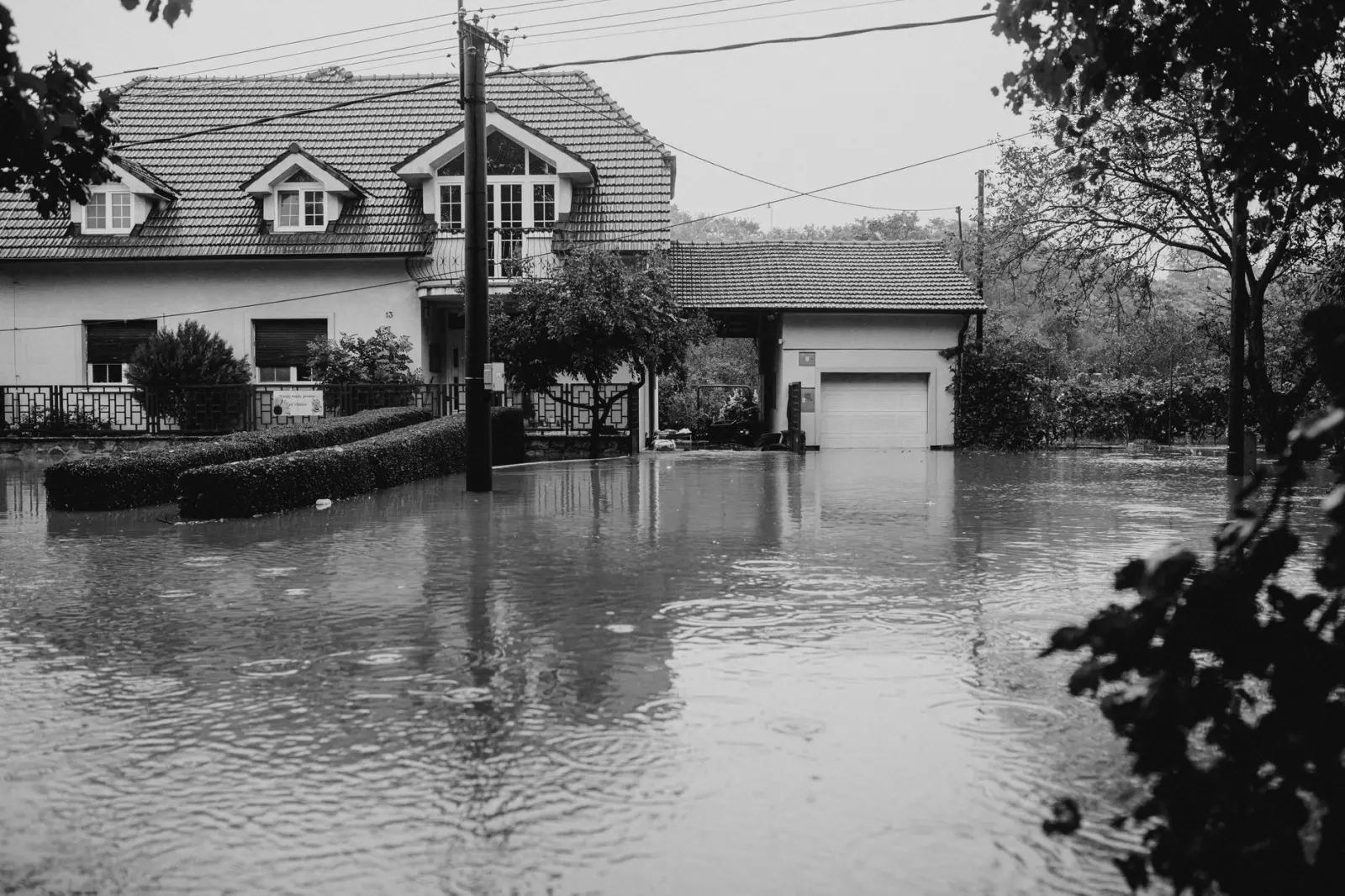
This is where the delay becomes measurable in real dollars. Insurance companies have been quietly recalibrating their risk models for Australian properties for the past five years. They’re not doing this from speculation – they’re doing it from claims data. A home in a flood-prone area that hasn’t been elevated or retrofitted with flood-resistant barriers will see premium increases that compound annually. I’ve seen premiums double within three years for properties in certain postcodes. More troubling, some insurers are simply withdrawing coverage from high-risk areas entirely, leaving owners scrambling to find alternatives at significantly higher cost or with reduced coverage limits.
The delay cost here operates in layers. First, there’s the immediate premium increase. Then there’s the deductible creep – higher excess amounts that make smaller claims uneconomical to file. Finally, there’s the coverage gap. A home that could have been retrofitted five years ago for $15,000 to $25,000 now faces insurance costs that make that investment look cheap in retrospect. But the owner who waited didn’t spend that $15,000 five years ago, so now they’re paying $3,000 to $5,000 annually in elevated premiums instead – a false economy that compounds every year.
Structural Deterioration and Hidden Damage
Water damage in Australian homes follows predictable patterns once you’ve seen it enough times. A roof leak that goes unaddressed for one wet season causes ceiling staining. Two seasons causes timber rot in the roof frame. Three seasons and you’re looking at structural compromise that affects the entire load-bearing system. The cost escalates exponentially. What could have been fixed with new guttering and flashing in year one becomes a $40,000 roof replacement by year three, and that’s before you address the internal damage to insulation, electrical systems, and wall cavities.
I’ve inspected homes where owners postponed dealing with rising damp or poor drainage, thinking they could manage it later. Later never comes until the damage is visible on the interior walls. By that point, you’re not just treating the symptom – you’re excavating around the foundation, installing new drainage systems, and potentially underpinning sections of the house. A problem that might have cost $8,000 to prevent now costs $50,000 to remedy. And that’s assuming the structural damage hasn’t already reduced the property’s value by more than the cost of the repair itself.
Property Valuation and Resale Impact
The market doesn’t wait for climate adaptation. Buyers and valuers are increasingly aware of climate risk, and they price it in. A property in a flood-prone suburb that hasn’t been retrofitted will be valued lower than an identical property that has. The discount isn’t small. In some areas, I’ve seen valuations drop 15 to 20 percent for properties without climate-resilience upgrades compared to those that have invested in them. That’s not a theoretical loss – that’s real equity that evaporates.
The delay cost here is particularly harsh because it works backward. An owner who invests in adaptation early captures the benefit of that investment in their property value. An owner who delays faces both the cost of the adaptation work and the accumulated loss of property value during the period of delay. If a property loses 5 percent of its value annually due to climate risk perception while an adaptation project that would have cost $30,000 five years ago now costs $45,000, the owner has lost far more than the difference in project cost.
Maintenance Cascades and System Failures
Climate stress doesn’t isolate itself to one building system. I’ve seen homes where delayed action on one problem triggers failures across multiple systems. Poor drainage affects the foundation, which stresses the framing, which puts pressure on the roof structure, which leads to leaks that damage electrical systems. Each failure increases the complexity and cost of eventual repairs. A homeowner who addresses drainage issues early prevents a cascade. One who waits deals with multiple simultaneous failures that require coordinated, expensive remediation.
Extreme heat also accelerates wear on systems that were designed for milder conditions. Air conditioning systems work harder and fail sooner. Electrical systems experience more stress. Plumbing expands and contracts more dramatically. A home that hasn’t been upgraded for thermal resilience – better insulation, reflective roofing, shade structures – will see its mechanical systems age faster and fail more frequently. The delay cost here is measured in premature equipment replacement and higher ongoing maintenance expenses.
The Opportunity Cost of Inaction
There’s a financial principle at work that owners often overlook. The cost of climate adaptation work tends to increase over time due to inflation, material scarcity, and increased demand. But more importantly, the window for cost-effective adaptation narrows. A roof replacement that could have included upgraded flashing and ventilation during a scheduled replacement is now a separate, standalone project. A foundation issue that could have been addressed during a planned renovation now requires emergency intervention. The delay doesn’t just increase the cost of the work itself – it eliminates opportunities to integrate adaptation into planned maintenance cycles.
I’ve worked with owners who finally committed to climate-resilience upgrades and discovered that they’d missed the chance to combine multiple projects. The roof work that could have been done alongside gutter replacement now stands alone. The drainage work that could have been coordinated with landscaping now requires separate excavation. Each missed opportunity adds 10 to 20 percent to the eventual cost through inefficiency and duplication of effort.
The practical reality I’ve observed is that Australian homeowners face a narrowing window for cost-effective adaptation. The properties that will weather climate change most successfully – and retain their value most effectively – are those where owners acted while they still had choices about timing, scope, and integration with other work. Those who delay face not just higher costs for the same work, but compounding losses through insurance, valuation, and accelerated system failures. The math is straightforward: the cost of delay is almost always higher than the cost of timely action.