
After years of looking at homes from the street, you start to notice patterns. The ones that feel neglected rarely need major work – they need attention to things that have been overlooked or allowed to deteriorate gradually. A fresh coat of paint on trim, clean gutters, and a functional front door matter far more than most people realize. The gap between a home that looks tired and one that looks cared for often comes down to small, consistent maintenance rather than expensive structural changes.
The reality is that curb appeal deteriorates in layers. Weather exposure, seasonal debris, and normal wear create a visual accumulation that makes even well-maintained homes look run-down. What’s interesting is that reversing this doesn’t require the same investment as a renovation. It requires understanding what actually registers when someone looks at your house from the street, and then addressing those specific points methodically.
Paint and Trim Matter More Than You’d Think
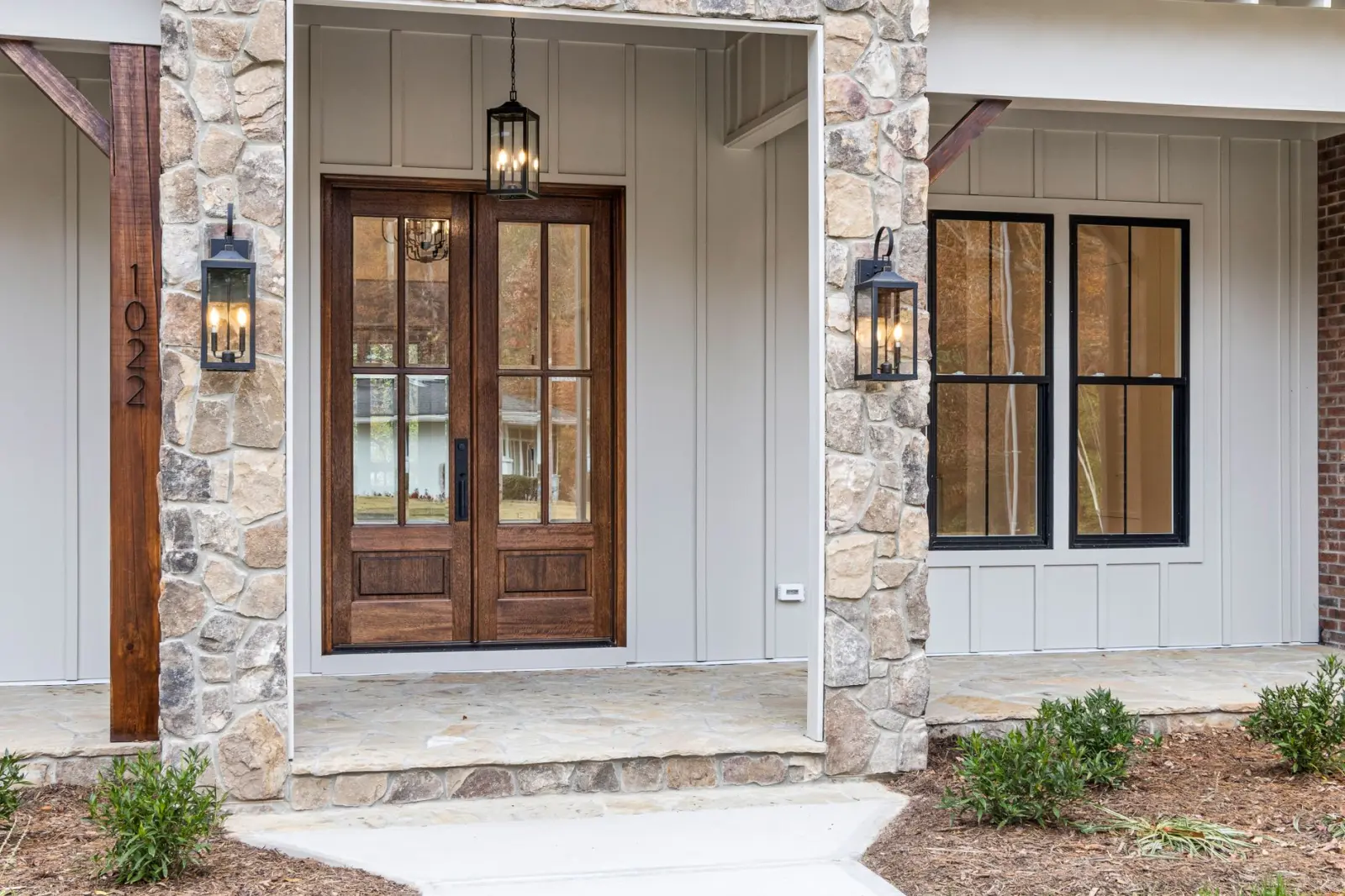
The front door and surrounding trim are the first things that catch attention, and their condition speaks volumes. A door that’s faded, peeling, or visibly weathered signals neglect even if everything else is fine. Repainting it – whether you keep the original color or shift to something more current – takes a weekend and costs less than most people spend on landscaping. The same applies to fascia, soffits, and window trim. These elements frame the entire facade, and when they’re clean and well-maintained, the house automatically looks newer.
I’ve noticed that homeowners often overlook the subtler trim work. The horizontal boards that run along the roofline, the vertical trim around windows, the small details around the foundation – these accumulate dirt, mildew, and weathering that a power wash and fresh paint can completely transform. It’s not glamorous work, but it’s visible from the street, and it’s relatively inexpensive compared to structural updates.
Landscaping Discipline
Overgrown shrubs and unmaintained beds create immediate visual clutter. This isn’t about redesigning your landscape – it’s about editing what’s already there. Removing overgrown plants that block windows or obscure the front of the house opens up sight lines and makes the property feel larger and more intentional. Pruning existing trees and shrubs to a clean shape takes effort but no money.
Mulch and ground cover also shift perception quickly. Bare soil looks neglected; a fresh layer of mulch in front beds looks maintained. The difference is a few bags of material and a couple of hours of work. I’ve seen properties transform almost entirely based on this single change. It signals that someone is paying attention to the space.
Weeds in cracks, overgrown grass at the edges of driveways, and unkempt lawn borders do real damage to curb appeal. These are maintenance issues, not design problems. A string trimmer and regular mowing take care of most of it. The key is consistency – a well-maintained yard that’s been neglected for a season looks worse than a simple yard that’s kept up.
Hardscape Cleanliness
Driveways, walkways, and patios accumulate grime, moss, and staining over time. A pressure wash or even a good scrubbing can reveal pavement that looks almost new underneath. I’ve watched homeowners assume their driveway was permanently stained only to find that it was just surface dirt. This is one of the highest-impact, lowest-cost improvements available.
Cracks and deterioration are different – those are structural issues that may need repair. But surface cleanliness is something most people can address themselves, and the visual change is immediate and noticeable from the street. Crumbling or missing mortar in walkways, loose pavers, or obvious settling should be addressed, but again, this is maintenance rather than renovation.
Lighting and Hardware
Outdoor lighting fixtures often get overlooked because people don’t see them during the day. Replacing dated or corroded light fixtures at the entrance, along the walkway, or near the garage is a straightforward update that changes how the house reads at dusk and evening. It’s also functional – good lighting makes the entry feel safer and more intentional.
Hardware details matter too. A new mailbox, house numbers, or door hardware are small touches that register as either dated or current. These are inexpensive replacements that can shift the overall impression without any structural work.
Gutters and Drainage
Clean gutters and downspouts are invisible when they’re working, but visible and problematic when they’re not. Debris-filled gutters, water staining on the fascia, or visible erosion patterns around the foundation all signal deferred maintenance. Clearing gutters, ensuring downspouts direct water away from the house, and addressing any visible water damage takes time but minimal money. The improvement in appearance is subtle but real – the house stops looking like it’s being damaged by weather.
Visible rust stains, algae growth, or water pooling around the foundation are things people notice even if they can’t articulate why the house looks off. Addressing these issues is maintenance work, not renovation, but it has outsized impact on perception.
The pattern I’ve observed is that homes with strong curb appeal typically share consistent maintenance habits rather than expensive updates. They’re painted, cleaned, and edited regularly. Overgrown plants are removed or pruned. Hardscapes are clean. Small repairs happen before they become visible problems. This approach costs far less than a renovation and produces results that feel current and intentional. The work is ongoing rather than occasional, but that’s actually what keeps a home looking good from the street.