
After years of working on residential spaces, I’ve noticed that the best living rooms aren’t the ones that look perfect in photos. They’re the ones where people actually sit down, stay for hours, and don’t feel like they’re in a showroom. The difference comes down to understanding how a room functions in real life, not just how it appears on a floor plan.
Most people approach living room design by starting with furniture placement or color schemes. That’s backward. The room works better when you begin with how your household actually moves through the space. Watch where people naturally walk when they enter. Notice which seats get used consistently and which ones sit empty. Pay attention to where the light falls at different times of day. These observations matter far more than any design rule you’ll read online.
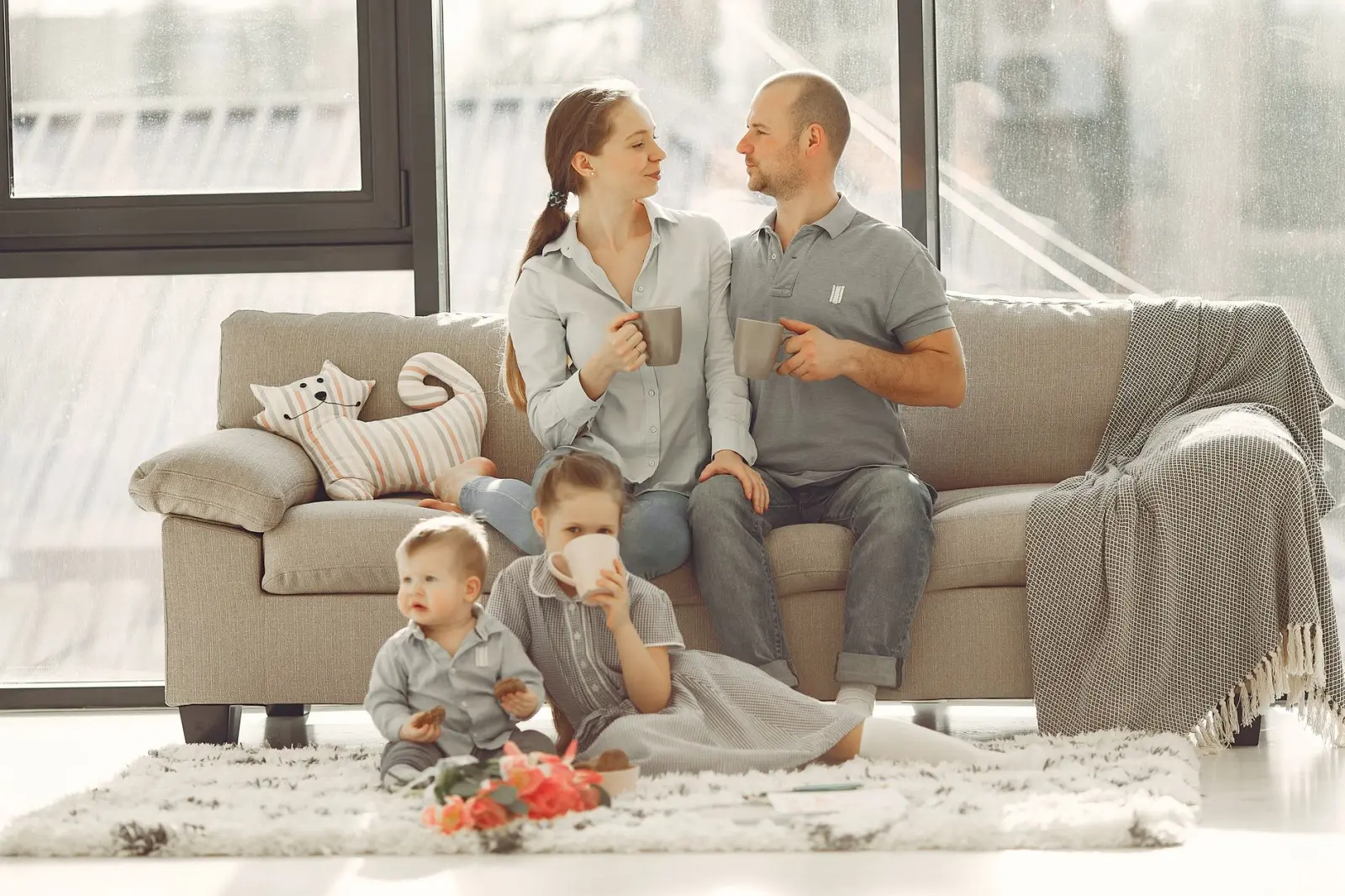
The foundation of a comfortable living room is seating that supports the way people actually spend time there. This doesn’t mean buying the biggest sectional or the most expensive sofa. It means choosing pieces that match your household’s real patterns. If you have young children, upholstery that hides stains and wears well matters more than pristine fabric. If you live alone and work from home, you might need a chair that supports longer sitting sessions better than a decorative accent piece. If your family gathers to watch films together, you need enough seating that people don’t feel crowded, but not so much that the room feels empty when you’re alone.
Comfort Beyond Softness
I’ve seen plenty of plush sofas that look inviting but leave people with back pain after an hour. Comfort isn’t just about cushion depth. It’s about seat height, back support, and how the cushions hold up over time. A sofa that sits too low forces you into a reclined position that strains your lower back. One that’s too high leaves your feet dangling. The best height for most people is around 16 to 18 inches from the floor to the seat surface. The backrest should support the natural curve of your spine without forcing your head forward.
Cushion density matters more than you’d expect. Softer cushions feel wonderful for the first few months, then compress and sag. Medium-density cushions, while less immediately plush, maintain their shape and support for years. This is especially true in a room where the sofa gets daily use. The filling also affects how the sofa feels over time. High-quality foam wrapped in natural fibers tends to age better than cheap foam that breaks down quickly.
Light and How It Changes Everything
Most living rooms have one major light source – usually an overhead fixture – which creates harsh shadows and makes the space feel flat and uninviting. Real comfort comes from layering light. You need ambient light for general visibility, task lighting for reading or detailed work, and accent lighting to create mood and depth.
The practical reality is that overhead lighting should be dimmable or supplemented with other sources. Table lamps on side tables near seating areas provide light exactly where you need it. Wall sconces flanking a fireplace or artwork add visual interest and distribute light more evenly than a single ceiling fixture. Floor lamps in corners brighten dark areas without taking up table space. The key is positioning these lights so they illuminate without creating glare on screens or reflecting off glass surfaces.
Natural light patterns shift throughout the day and season. A window that floods the room with morning sun might create glare on a television screen by afternoon. Heavy curtains that block light completely make a room feel closed off. Layered window treatments – sheer panels under heavier drapes – let you control light without eliminating it. This flexibility matters more than any single design choice because it allows the room to adapt to how you actually use it at different times.
Traffic Flow and Furniture Arrangement
The most overlooked aspect of living room design is how people move through the space. Furniture arranged without considering traffic patterns creates bottlenecks and forces people to squeeze past chairs or navigate around a coffee table awkwardly. The natural path from the entrance to other rooms should be clear and obvious. Seating should be arranged to encourage conversation without blocking this flow.
A common mistake is pushing all furniture against the walls, thinking it makes the room feel larger. This actually creates a disconnected, empty feeling and forces people to sit far apart. Better arrangement floats seating pieces away from walls, creating an intimate conversation area in the center of the room. This works especially well when you define the space with a rug that anchors the seating group.
The distance between seating pieces matters. If chairs and sofas are too far apart, conversation becomes difficult and the space feels fragmented. Too close, and people feel uncomfortable. The ideal distance is roughly 8 feet between the centers of opposite seating pieces. This gives enough space for a coffee table and allows people to interact naturally without feeling crowded.
Durability and Real-World Wear
A living room needs to withstand daily use. Fabrics that look beautiful in the showroom might show wear after a few months of actual living. Light-colored upholstery stains easily. Delicate textures pill and snag. Leather can crack if the room temperature fluctuates too much. This doesn’t mean choosing only dark, heavy fabrics – it means understanding the trade-offs.
Darker, tightly woven fabrics hide dirt and stains better than lighter options. Performance fabrics designed for durability resist staining and wear longer than traditional upholstery. Natural fibers like wool are durable but can absorb odors. Synthetic blends offer stain resistance but might feel less comfortable. The right choice depends on your household’s actual needs. A family with pets and children needs different upholstery than someone living alone who rarely has guests.
Wood surfaces in a living room also experience real wear. Coffee tables and side tables get water rings from glasses, scratches from daily use, and dust accumulation in crevices. Solid wood finishes that are properly sealed hold up better than veneer. Matte finishes hide dust and fingerprints better than high gloss. These practical considerations affect how much maintenance the room requires and whether it will look worn or well-maintained after a few years of use.
Temperature and Air Movement
Comfort isn’t just about seating and light. A living room that’s too cold or too warm becomes uncomfortable no matter how well-designed it is. Furniture placement affects how air circulates through the space. Blocking heating vents or air returns with large pieces creates dead zones where temperature becomes uncomfortable. Windows that aren’t properly insulated let cold air in during winter and allow heat to escape in summer, making the room harder to heat or cool.
The materials in the room also affect how it feels. Hard surfaces like tile or concrete reflect sound and feel cold underfoot. Soft furnishings like rugs, curtains, and upholstered pieces absorb sound and create warmth. A room with too many hard surfaces feels cold and echoing. One with too many soft materials can feel stuffy and trap odors. Balance between these elements creates a space that feels comfortable physically and acoustically.
After working with countless living rooms, I’ve learned that the most successful ones share a common quality: they work with how people actually live, not against it. The best design decisions come from observing real patterns, understanding how light and traffic flow through the space, and choosing materials that improve with age rather than deteriorate. A living room designed this way doesn’t require constant maintenance or feel precious. It simply becomes a place where people want to spend time.