
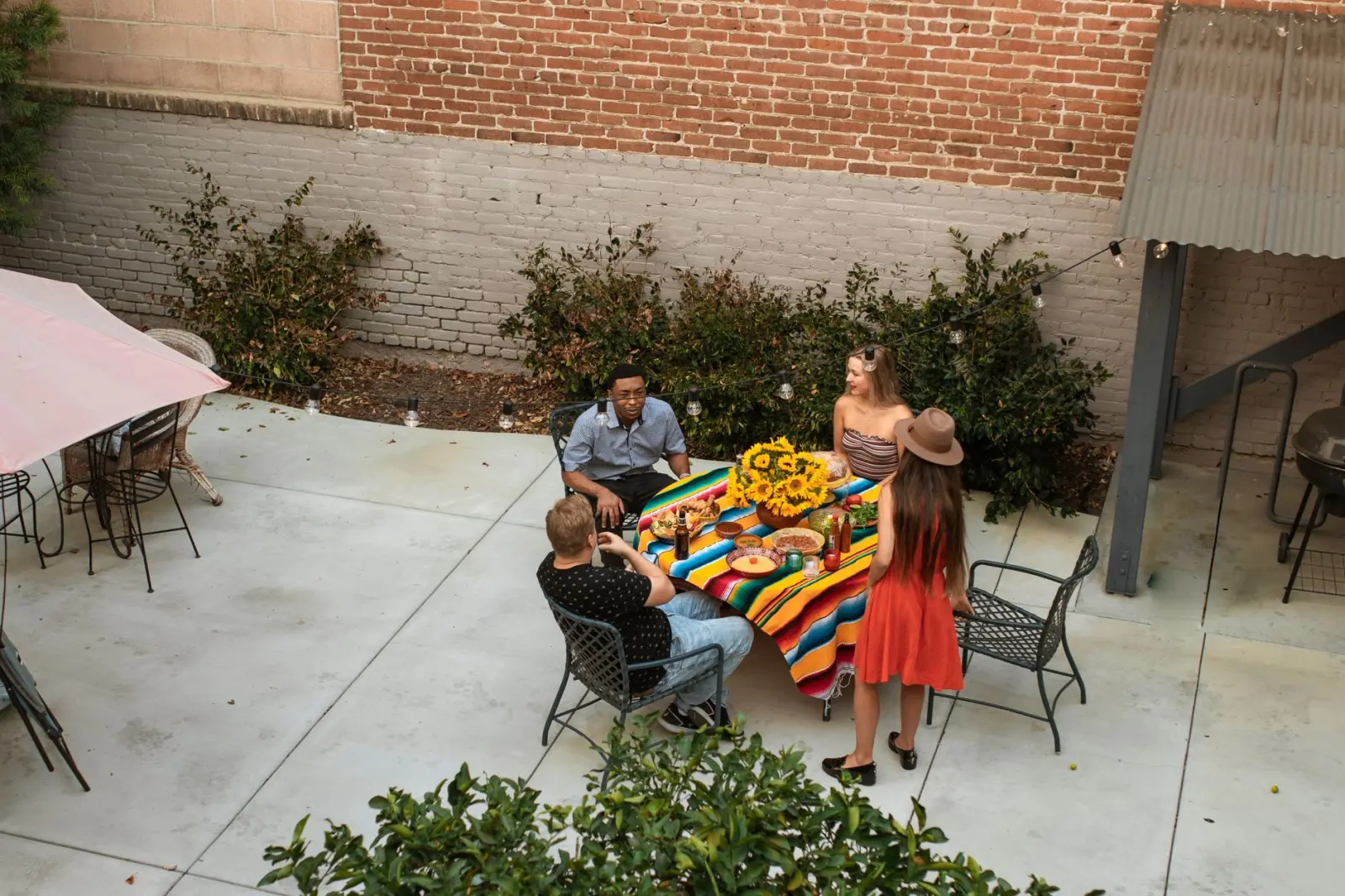
After years of watching outdoor spaces get built, used once or twice, and then slowly abandoned, I’ve learned that the difference between a space that works and one that doesn’t usually comes down to a few overlooked fundamentals. Most people focus on what they want the space to look like, but the real test happens the first time you have eight people over on a Saturday afternoon and someone needs to set down a drink while another person is trying to move past them to get to the bathroom.
The first thing I always notice when walking into a yard is whether the space actually accommodates the flow of people. This sounds obvious, but it’s where most designs fail. A patio that looks beautiful in a rendering can feel cramped and awkward once bodies are actually moving through it. I’ve seen plenty of entertaining areas where the furniture arrangement forces guests into single-file lines or creates dead zones where no one naturally stands. The layout needs to anticipate how people will actually use the space, not just how it looks from above.
Think about the practical path from the house to the entertaining area. Is it wide enough for two people to walk side by side while one is carrying a tray of food? Does the route feel natural, or does it force people into an awkward detour? I’ve worked on yards where the most direct route to the patio goes past the grill, which means the person cooking is constantly being interrupted. Small adjustments to how you position the main gathering zone relative to the house and kitchen can eliminate a lot of friction.
Sizing the Core Gathering Space
There’s a real difference between a space that feels comfortable and one that feels crowded or sparse. For a typical entertaining area, I usually work with the assumption that each person standing and mingling needs roughly 7 to 10 square feet. That’s not just floor space – it’s the area where they can hold a drink, gesture while talking, and shift their weight without bumping into someone else. If you’re planning for 12 people, you’re looking at somewhere between 85 and 120 square feet of actual gathering space, not counting the perimeter where people might lean against railings or stand near the grill.
Most residential yards can accommodate this without requiring an enormous patio. A 12-by-10-foot space is workable for small to medium gatherings. The mistake I see most often is making the entertaining area too small and then trying to compensate with more furniture, which just makes everything feel cramped. A slightly larger space with less furniture almost always feels better and functions more smoothly.
The shape matters more than people realize. A rectangular patio tends to work better than a square one for entertaining because it naturally creates a longer sight line and feels less boxed in. Curved edges or irregular shapes can be appealing visually, but they often waste usable space and make furniture placement trickier. I tend to favor simpler geometry that’s easier to work with and easier to expand later if needed.
Shade and Weather Protection
An entertaining area without adequate shade is only usable for a few hours on most days. I’ve seen plenty of yards where people set up an umbrella or two, only to realize that the sun moves and those umbrellas are now useless by mid-afternoon. A permanent structure – whether it’s a pergola, shade sail, or partial roof – changes how often the space actually gets used.
The orientation of your yard determines where the sun will be at the times you’re most likely to entertain. If you typically have people over in late afternoon, you need shade on the western side. Morning gatherings need eastern protection. A well-positioned pergola or overhang can make the difference between a space that’s comfortable for four hours versus eight hours. That’s not a small thing when you’re thinking about the actual return on your investment.
Wind is another factor that gets overlooked. An open patio in a breezy location can feel uncomfortable, especially if you’re trying to keep food covered or if people are holding drinks. A partial screen, strategic plantings, or a structure that blocks wind from one direction can significantly improve the usability of the space. I’ve seen yards where a simple fence or hedge on the upwind side transformed the space from unusable to pleasant.
Surfaces and Drainage
The material you choose for the patio surface affects both how it feels to stand on and how it ages. Concrete is economical but can crack and look tired relatively quickly. Pavers offer more visual interest and are easier to repair, but they require proper base preparation and maintenance to prevent settling and weed growth. Natural stone looks beautiful but can be slippery when wet and requires periodic sealing.
Drainage is critical and often gets minimal attention until water starts pooling after rain. A patio that slopes slightly away from the house – typically a quarter-inch drop per foot – will shed water naturally and prevent standing puddles that make the space unusable after a storm. Poor drainage doesn’t just make the space uncomfortable; it accelerates deterioration of the surface material and can create safety hazards.
The surface should also be appropriate for the climate. In areas with freeze-thaw cycles, materials that absorb water can crack and heave over time. In hot climates, light-colored surfaces are more comfortable to walk on barefoot. These aren’t just aesthetic choices; they’re functional decisions that affect how long the space lasts and how pleasant it is to use year-round.
Furniture and Flexible Zones
The furniture you choose should support different types of gathering. A space that’s only set up for sitting around a table limits how the area can be used. I prefer layouts that include some seating, some standing room, and space that can be cleared for movement. Built-in seating along the edges can be efficient, but moveable chairs and benches offer more flexibility when you need to reconfigure for different group sizes or activities.
Surfaces for setting down food, drinks, and personal items are essential. A small side table might seem minor, but it’s the difference between people feeling comfortable and people feeling like they need to hold onto their drink the entire time. Multiple small surfaces are usually better than one large table, because they distribute the load and don’t create a single bottleneck where everyone congregates.
Lighting transforms an entertaining space from daytime-only to usable into the evening. String lights, pathway lights, and task lighting near the grill or food preparation area all serve practical purposes. I’ve noticed that spaces with good lighting get used more frequently and feel safer, which encourages people to actually spend time outside rather than rushing back indoors as the sun sets.
Access to Utilities and Comfort
The proximity of water, power, and gas affects how functional the space actually is. A grill that’s far from the kitchen means extra trips carrying food and dishes. An outdoor sink or at least a hose connection makes cleanup easier and encourages people to use the space. Power outlets allow for music, lighting, and small appliances. These aren’t luxuries; they’re practical features that determine whether entertaining in the space feels convenient or like a chore.
Bathroom access is something people don’t talk about much, but it matters. If guests have to walk through the house to use the bathroom, it disrupts the flow and makes the outdoor space feel less integrated. Some yards benefit from a powder room with an exterior entrance, or at minimum, a clear and convenient path to indoor facilities.
Temperature and humidity control are harder to manage outdoors, but there are strategies. Fans can make a significant difference on hot, still days. Misters provide cooling in dry climates. Heating options like fire pits or outdoor heaters extend the season in cooler months. These elements should be considered as part of the overall design rather than added as afterthoughts.
The reality is that a well-designed entertaining space is one where the practical details support the experience rather than detract from it. When furniture placement feels natural, movement flows easily, weather protection is adequate, and the space is accessible from the house, people actually use it. That’s when you start to see the real value of the investment – not in the first impressive gathering, but in the regular, casual use that happens over months and years.