
Installing an EV charger at home in Australia isn’t simply a matter of plugging in a box and calling it done. Over the past several years, I’ve watched homeowners navigate the practical realities of bringing charging infrastructure into their garages, driveways, and yards. The experience reveals a gap between what people expect and what their homes can actually support. Understanding this gap before committing to a charger saves time, money, and frustration.
The first thing most people discover is that their existing electrical infrastructure wasn’t designed with EV charging in mind. A typical Australian home runs on single-phase power at 10 amps or 15 amps, which translates to roughly 2.3 kW or 3.5 kW of continuous capacity. A Level 2 home charger – the standard choice for overnight charging – typically draws between 7 kW and 11 kW. This immediately creates a conflict. Your home’s main switchboard and the cable running from the street simply cannot deliver that much power without an upgrade.
This is where the conversation with an electrician becomes essential. Many homes require a switchboard upgrade, which involves replacing the main fuse or circuit breaker panel. Some also need an upgrade to the service cable itself – the thick cable that runs from the power pole to your house. In older suburbs, particularly those built before the 1990s, this work can be extensive. I’ve seen jobs that started as a straightforward charger installation balloon into $3,000 to $5,000 worth of electrical work before the charger even arrived. Newer homes with three-phase power or recently upgraded boards fare much better, often needing only a dedicated circuit and some minor reconfiguration.
The reality of charging speed versus home capacity
People often ask about the fastest charger available, assuming they’ll want maximum speed. The truth is more nuanced. A 22 kW charger, which is common in Europe, simply isn’t practical for most Australian homes. Even a 11 kW charger represents a significant portion of your home’s total available power. If you’re running the oven, the air conditioner, and the charger simultaneously, you’ll trip your main breaker. This isn’t a fault – it’s the system working as designed to prevent overload.
What I’ve observed is that most households end up with a 7 kW single-phase charger, sometimes 10 kW if they’ve upgraded their switchboard. This delivers roughly 50 to 60 kilometres of range per hour of charging, which is more than adequate for overnight charging. A typical commuter car charges fully in 6 to 8 hours. Unless you’re regularly depleting your battery to zero and need to recharge during the day, faster isn’t necessarily better. It’s often just more expensive and requires more extensive electrical work.
Installation location and weathering
Where you place the charger matters considerably. Garages offer protection but create their own challenges. If your garage has a concrete floor, running conduit from the switchboard to the charger location is straightforward. If you need to run cable along the outside of the house, you’re dealing with exposure to sun, weather, and potential physical damage. Australian UV is intense, and standard cable jackets degrade faster than many installers anticipate. I’ve seen cables that looked fine for three years suddenly become brittle and crack.
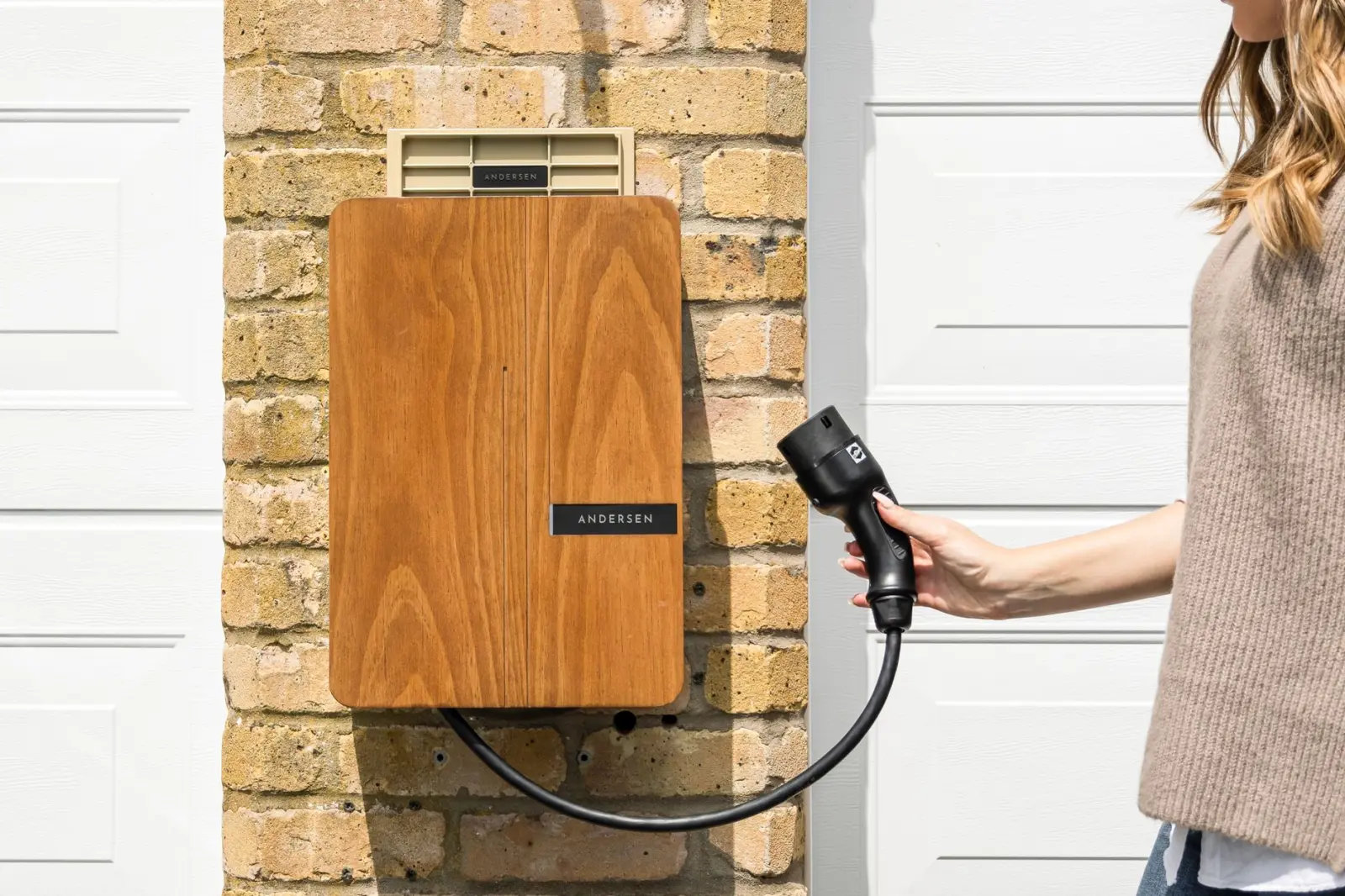
Driveway installations are increasingly common, particularly for homes without garages. Wall-mounted chargers on the front of the house or on a post in the driveway work well, but they’re exposed to everything. Coastal properties face salt spray corrosion. Inland areas with intense heat can cause connector degradation. I’ve watched chargers in direct afternoon sun develop issues with the charging port contacts after a couple of years – not a failure of the charger itself, but accelerated wear from thermal cycling. Shade, when available, genuinely extends the lifespan of the equipment.
Grid connection and supply limitations
Your electricity distributor has the final say on whether your home can support a charger, and in what configuration. In areas with aging infrastructure or high demand, some distributors impose limits on new high-load connections. I’ve had clients in growth corridors told they could install a charger only if they agreed to a lower capacity than they’d hoped for, or in some cases, they were placed on a waiting list for network upgrades. This isn’t arbitrary – it reflects real constraints on the local grid.
The distributor also determines whether you can install a single-phase or three-phase charger, and what capacity they’ll allow. If you’re in an area served by three-phase power, you have more flexibility. Single-phase areas have tighter limits. Getting this information early – before you buy a charger – prevents disappointment. A quick call to your distributor or a conversation with a licensed electrician who knows your area can clarify what’s actually possible at your address.
Demand management is becoming more common as well. Some distributors now offer incentives for chargers that can shift their charging to off-peak hours or pause charging during grid stress events. This is particularly relevant during summer when air conditioning load peaks in the afternoon. A charger that can be programmed to charge between 11 PM and 7 AM helps both your wallet and the grid stability. It’s not mandatory yet in most areas, but it’s worth understanding what your distributor supports.
Cost, permits, and realistic timelines
The total cost of a home charger installation varies wildly depending on your home’s electrical state. A straightforward installation in a newer home with adequate capacity might cost $2,500 to $3,500 for the charger and installation. A home requiring switchboard and cable upgrades can easily reach $6,000 to $8,000 or more. Some people are surprised to learn that the charger itself is often the cheapest part of the project.
Permits and approvals add time. Most Australian states require a licensed electrician to install the charger and notify the relevant authorities. This isn’t bureaucracy for its own sake – it ensures the installation is safe and compliant. The process typically takes a few weeks from application to approval, though it can be longer if your distributor flags issues with your network connection.
Once installation begins, expect the work to take a day or two, depending on complexity. Straightforward jobs finish in a single day. Jobs requiring significant rewiring or external cable runs might take longer. Weather can also delay outdoor work. I’ve seen projects delayed by a week or more during heavy rain or extreme heat, simply because it’s unsafe to work on electrical installations under those conditions.
Living with a home charger quickly becomes routine. Most owners find that the convenience of charging overnight outweighs any initial installation hassle. The real insight comes from understanding that your home’s electrical system has limits, and working within those limits – rather than fighting against them – makes the entire experience smoother and more reliable. The charger itself is relatively simple technology. The challenge is integrating it into an existing home infrastructure that was never designed for it.