
After working on kitchen renovations across Sydney, Melbourne, and Brisbane for years, I’ve noticed that what looks good in a showroom often doesn’t translate to how people actually live. Australian kitchens face particular challenges: intense sunlight, humidity in coastal areas, and the way families genuinely use the space day to day. Most of the decisions that matter aren’t about aesthetics – they’re about whether the kitchen functions well five years in, when the novelty wears off and daily wear becomes visible.
The first thing I observe is that layout rarely changes during a renovation, and for good reason. Moving plumbing, gas lines, and electrical services costs far more than most people anticipate. The triangle between sink, stove, and fridge exists for a reason – it’s about workflow, not design theory. What I see work well is improving the existing triangle rather than fighting it. Adding a second sink, repositioning the fridge slightly, or creating a proper prep zone between the cooktop and bench makes a tangible difference in how the kitchen feels to use.
Bench space is consistently underestimated. I’ve watched people choose beautiful island benches that look striking but leave barely enough room for a cutting board and a mixing bowl. In Australian homes, where kitchens often open to living areas, there’s pressure to keep sightlines clear and make the space feel open. This usually means less bench real estate than people need. The kitchens that age best have deliberate, functional bench zones: a prep area, a cooking zone, and a clearing zone. These don’t need to be large, but they need to be distinct.
Material Durability Under Australian Conditions
Benchtop material is where I see the most regret. Engineered stone and granite are popular, and they do perform well, but they’re not maintenance-free. Granite requires sealing every two to three years in kitchens with high use. Engineered stone is more forgiving but can stain if acidic liquids sit too long. Laminate and plywood edges delaminate in humid kitchens, particularly in Brisbane and coastal NSW. Stainless steel benches look industrial and clean but show fingerprints constantly and can dent easily. I’ve found that the best choice depends on actual use patterns. A family that cooks daily and entertains needs different durability than a household that uses the kitchen for quick meals.
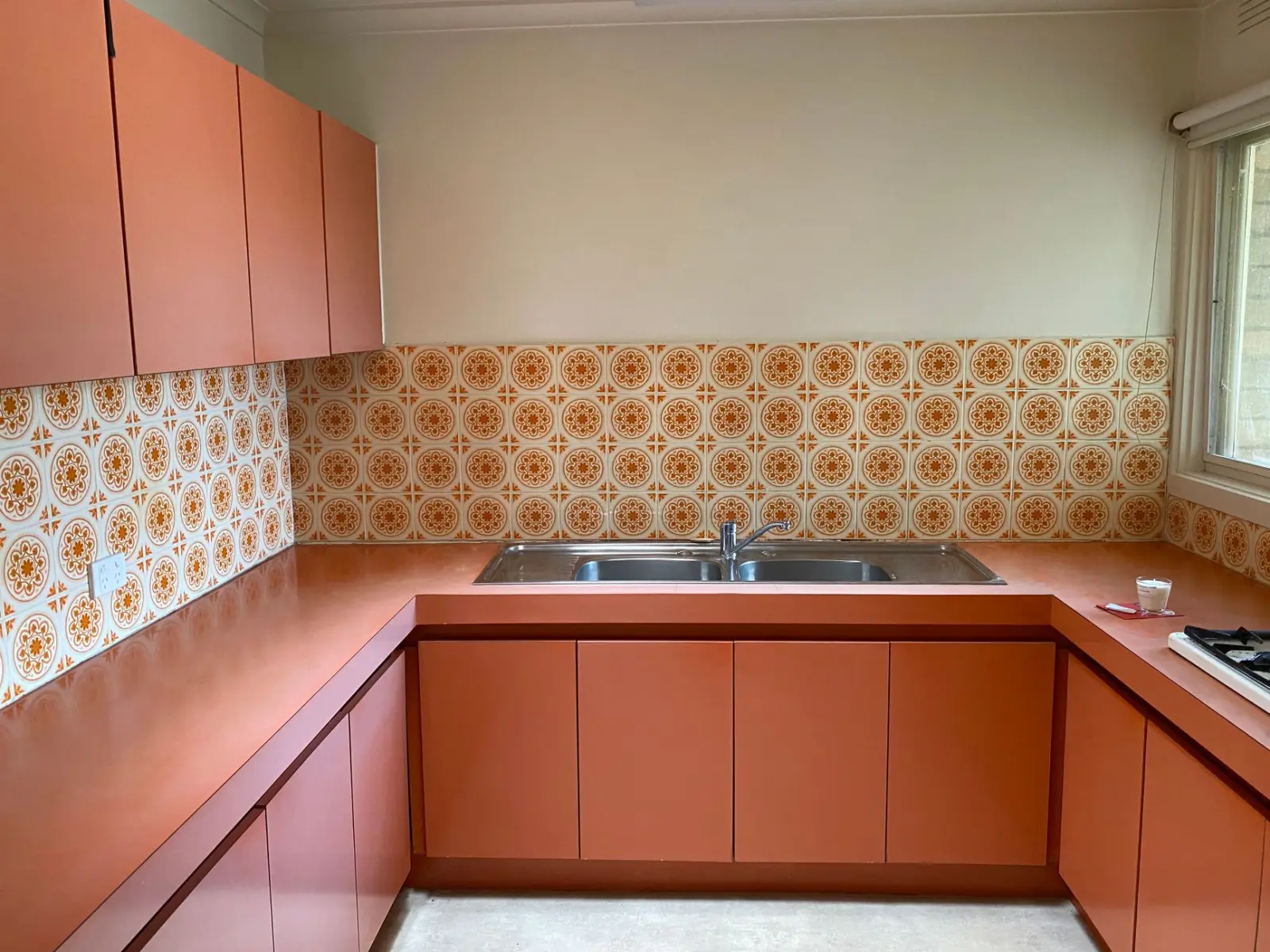
Splashbacks often reveal what people actually care about versus what they think they should want. Tiles are traditional and come in endless designs, but grout lines trap debris and require regular cleaning. Glass splashbacks are sleek and easy to wipe, but they show every water mark and fingerprint. Stainless steel is durable but reflects light in ways that can feel cold. I’ve noticed that people tend to choose based on a single photo they like, then live with the maintenance reality for years. A practical approach is choosing something that hides daily wear reasonably well while being genuinely easy to clean.
Cabinetry and Storage Reality
Cabinet doors and drawer fronts wear visibly over time. Matte finishes hide fingerprints better than gloss, but they’re harder to clean properly. Soft-close hinges and drawers are worth the investment – they prevent the accumulated damage from years of slamming. I’ve seen kitchens where the cabinets themselves are solid, but the doors look tired after a few years because of cheap hardware and finish choices. The interior of cabinets matters too. Poorly designed interiors mean wasted space and frustration. Deep cabinets need pull-out shelves or they become dead zones where things disappear. Corner cabinets are notorious for poor accessibility unless they have proper solutions built in.
Open shelving has become fashionable, but it works only if you’re willing to keep items genuinely organised and dust-free. In Australian kitchens with open living areas, dust from outside and cooking residue settle on open shelves faster than people expect. I’ve watched kitchens with beautiful open shelving turn cluttered within months because the reality of maintenance didn’t match the intention. Closed storage is less photogenic but far more practical for most households.
Lighting and Ventilation
Lighting is often an afterthought, but it changes how a kitchen feels and functions. Overhead lights alone create shadows over the bench where you’re working. Task lighting under cabinets or over islands makes a real difference. In Australian kitchens with large windows, natural light is abundant during the day, but the transition to evening can be jarring if artificial lighting isn’t planned well. I’ve found that layered lighting – ambient, task, and accent – works better than trying to do everything with one central fixture.
Ventilation is critical and frequently underestimated. Range hoods need to actually extract air outside, not just recirculate it. In open-plan kitchens, cooking smells and steam travel into living areas quickly. A powerful extractor that vents externally is essential, but it also needs to be quiet enough not to dominate conversation. Ducting should be as short and straight as possible – long, convoluted ducts lose effectiveness. I’ve seen kitchens where the ventilation system was installed but never properly commissioned, leaving families with inadequate extraction for years.
Appliances and Their Placement
Appliance choice often comes down to brand reputation and warranty, but placement matters just as much. A fridge positioned where it blocks the natural flow of movement through the kitchen creates friction every single day. Cooktops near windows mean steam and cooking heat interact with glass in ways that can affect window seals over time. Dishwashers positioned too close to living areas mean noise becomes part of the ambient environment. These seem like minor considerations during planning, but they accumulate into genuine quality-of-life issues.
Integrated appliances look clean and minimalist, but they’re harder to replace and more expensive to repair. A standalone oven or cooktop can be swapped out in a day. An integrated unit might require cabinet modifications and specialist installation. For Australian homes where renovations happen incrementally and budgets shift, flexibility in appliance choice often pays off.
Colour and Finish Choices
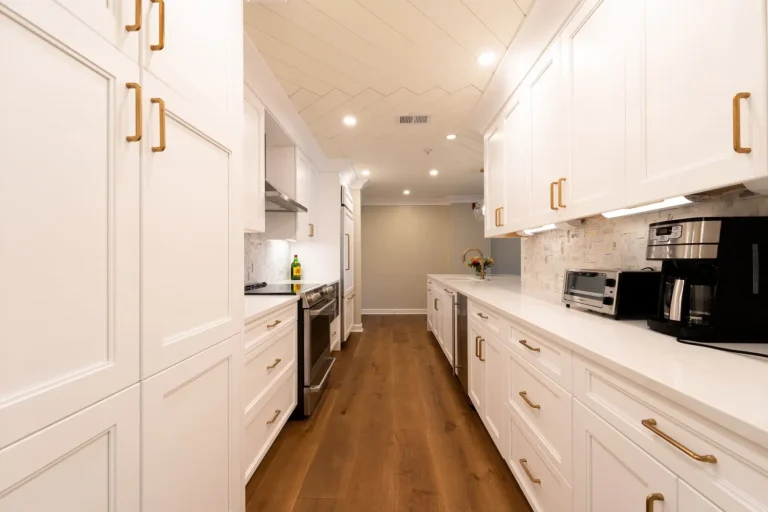
White and neutral kitchens are popular because they feel clean and contemporary, but they show dirt and staining visibly. I’ve watched white kitchens that looked pristine at handover look tired within two years because every fingerprint, water mark, and dust particle shows. Darker or textured finishes hide daily wear better, but they can feel heavier in smaller spaces. The kitchens that age best are those where the finish choice reflects actual use patterns rather than aesthetic preference alone.
Timber finishes are warm and appealing, but they require maintenance and can be affected by humidity and temperature fluctuations. In Australian climates with significant seasonal variation, timber can move slightly, affecting door alignment over time. Engineered timber veneers are more stable than solid timber, but they still need care. Painted timber is durable if the paint is quality and applied properly, but chips and scratches become visible over time.
The kitchens I see perform best are those where the design respects how the space actually gets used. This means prioritising function over trend, choosing materials that hide wear reasonably well, and building in flexibility for future changes. A well-executed kitchen renovation doesn’t need to be expensive or dramatic to feel right. It just needs to work reliably and require minimal fussing to stay looking decent. That’s what tends to separate renovations people are happy with years later from those they start planning to redo within five years.