
After years of working on Australian residential properties, I’ve noticed that outdoor living spaces often fail not because of poor design, but because the design doesn’t account for what actually happens in the Australian environment. The sun is relentless, materials degrade faster than people expect, and the gap between what looks good in a magazine and what functions well over five years is often substantial.
Most homeowners approach their outdoor area with the same mindset they’d use for an indoor room. They think about aesthetics first, then worry about practicality. In Australia, the order needs to reverse. The climate here demands that you solve the environmental problem before you solve the design problem. Once you’ve done that, the aesthetics follow naturally.
The first real decision isn’t about what furniture to buy or what plants to install. It’s about shade. I’ve watched countless patios and decks sit unused during the hottest months simply because there’s no relief from direct sun. A pergola or shade cloth isn’t optional in most of Australia – it’s foundational. Without it, you’re not creating an outdoor living space. You’re creating a place people will avoid.
Shade and Exposure: The Foundation
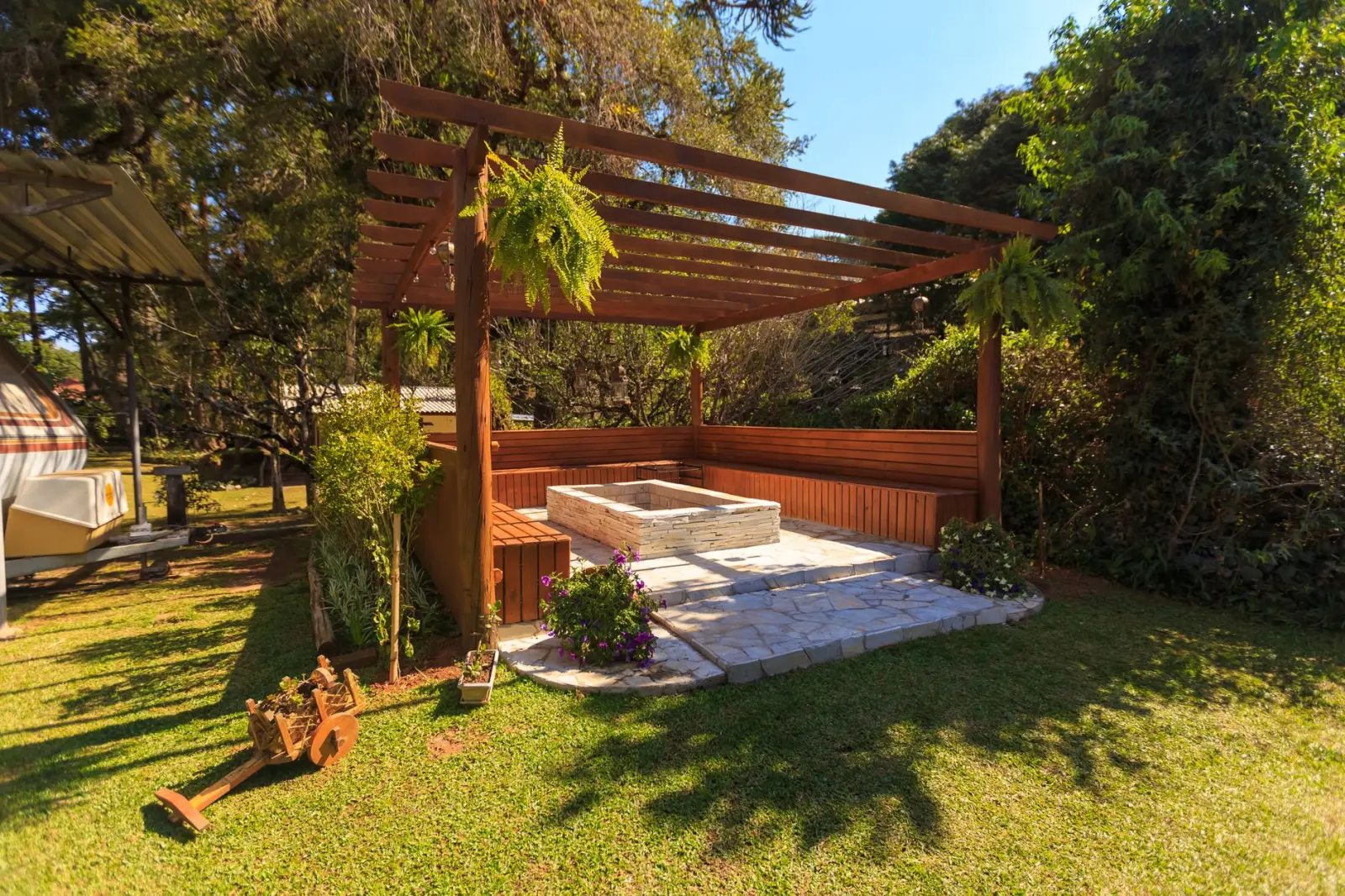
Permanent shade structures need to be thought through carefully. A fixed pergola works well on a western or northern face where you want to block afternoon heat, but it can trap humidity and create a dark, uninviting space if it’s too dense. I’ve seen people install heavy shade cloth year-round and then wonder why their outdoor area feels like a cave in winter.
The better approach is layering. A pergola with deciduous vines allows winter sun through while providing summer cover. Retractable shade cloth gives you control depending on the season and time of day. Shade sails are practical and less permanent, though they do require proper tensioning and maintenance to handle wind. The key is building flexibility into your system rather than creating a fixed solution that works for only part of the year.
Orientation matters more than most people realize. A north-facing deck in Sydney gets hammered by afternoon sun in summer, while a south-facing space stays relatively cool but receives less overall light. East-facing areas are often ideal – morning sun without the intense afternoon heat. If you’re planning a major outdoor addition, spend time observing how sun moves across your property at different times of year before you commit to placement.
Materials That Age Honestly
Decking is where I see the most disappointment. Treated pine looks fine when new, but it weathers unevenly in Australia’s UV-intense environment. It fades, splinters, and requires regular maintenance to prevent rot. Composite decking sounds like the answer, but many brands don’t hold up well to Australian heat and humidity. The material can warp, fade, or develop mold in shaded areas with poor drainage. It’s not maintenance-free, despite what manufacturers suggest.
Hardwoods like spotted gum and merbau perform better because they’re naturally durable, but they’re expensive and still need sealing. The honest reality is that any horizontal outdoor surface in Australia will require attention. The question is whether you want to maintain it actively or accept that it will change appearance over time. Some people prefer the weathered look of untreated hardwood. Others find it neglected-looking. Either way, it’s a choice you need to make consciously.
Concrete and stone are more stable, but concrete can crack in areas with high heat fluctuation, and both materials absorb and radiate heat intensely. A concrete patio can become uncomfortably hot to walk on barefoot in summer. Lighter colors help, but they also show dirt and stains more readily. Stone is better for thermal comfort but costs more and requires proper drainage underneath to prevent cracking and movement.
Water, Drainage, and Mosquitoes
Outdoor living in Australia means dealing with water management. Even in dry regions, when rain does come, it often arrives in heavy bursts. Poor drainage around patios and decks leads to pooling water, which creates mosquito breeding grounds and accelerates material degradation. I’ve seen homeowners install beautiful outdoor spaces only to find them unusable during certain times of year because of mosquito pressure from standing water nearby.
Subtle slope matters. A patio that appears flat to the eye can still shed water effectively if it has even a slight gradient away from the house and toward drainage. This isn’t always obvious during construction, which is why it’s worth checking during the first heavy rain after installation. If water pools anywhere, that’s a problem you’ll want to address immediately rather than living with it.
Guttering and downpipes on pergolas and shade structures should direct water away from seating areas. It sounds obvious, but I’ve seen designs where rain runs directly onto where people sit. Similarly, any low-lying areas near outdoor spaces should be graded to prevent water accumulation. This is particularly important in humid coastal areas where stagnant water breeds mosquitoes and encourages fungal growth on materials.
Plants and Maintenance Reality
Native plants are often recommended for Australian outdoor spaces, and there’s good reason for this. They’re adapted to local conditions and typically require less water and maintenance than exotic species. However, “native” doesn’t mean “no maintenance.” Even hardy natives need establishment watering, occasional pruning, and attention to pests and diseases that thrive in the local environment.
Screening plants deserve particular attention. If you’re using vegetation to create privacy or wind protection, you need species that actually grow to the height and density you need and that tolerate your specific microclimate. A plant that thrives in Melbourne might struggle in Brisbane’s humidity, and something that works on the coast might not survive inland heat. Local nurseries are usually more reliable than general advice because they understand what actually grows in your area.
Potted plants add flexibility to outdoor spaces, but they require consistent watering, especially in summer. Automated drip irrigation helps, but it needs to be properly designed or you’ll either underwater or create waterlogged soil. The advantage of pots is that you can move them to adjust shade, wind exposure, and visual balance as the space evolves and your needs change.
Wind and Weather Exposure
Australia’s coastal areas and exposed inland regions can experience significant wind. A pergola that looks elegant might catch wind like a sail and create uncomfortable conditions or even structural stress. Furniture needs to be anchored or stored during storms. Lightweight shade cloth can tear or come loose. These aren’t minor inconveniences – they’re design factors that need to be considered from the start.
In bushfire-prone areas, outdoor living spaces need additional thought. Materials, vegetation, and proximity to the house all factor into fire risk. This isn’t something to ignore or work around. It’s a genuine constraint that affects what you can realistically do with your outdoor area.
Wind also affects comfort. A space that’s exposed to prevailing winds might need windbreaks or strategic planting to be usable. Conversely, in areas with stagnant air and high humidity, some air movement is beneficial for mosquito control and general comfort. Understanding your site’s wind patterns is as important as understanding sun exposure.
Furniture and Fixtures That Last
Outdoor furniture takes a beating in Australia. Metal rusts, wood cracks, and fabric fades. Cheaper options often deteriorate within two to three years. Stainless steel is more durable than painted metal, but it’s expensive. Teak and other dense hardwoods age well, though they’re costly. Aluminum is lightweight and corrosion-resistant but can feel cheap if the quality isn’t there.
Cushions and soft furnishings need to be stored or covered when not in use, or they’ll develop mold and mildew in humid areas. This is a real maintenance burden that many people underestimate. If you want comfortable seating without constant upkeep, you’re looking at higher-quality furniture and regular storage discipline.
Built-in seating and storage are often more practical than freestanding furniture because they’re integrated into the space and don’t require moving. However, they need to be designed with drainage in mind. A built-in bench that collects water underneath will rot from the inside out, regardless of what material it’s made from.
Outdoor living spaces in Australian homes work best when they’re designed around the climate rather than against it. Shade is non-negotiable, materials need to be chosen with realistic expectations about maintenance and aging, and drainage and water management deserve serious attention. The spaces that function well over years are the ones where the owner understood these constraints from the beginning and built the design around them. Everything else – the furniture, the plants, the finishing touches – follows naturally once those fundamentals are in place.