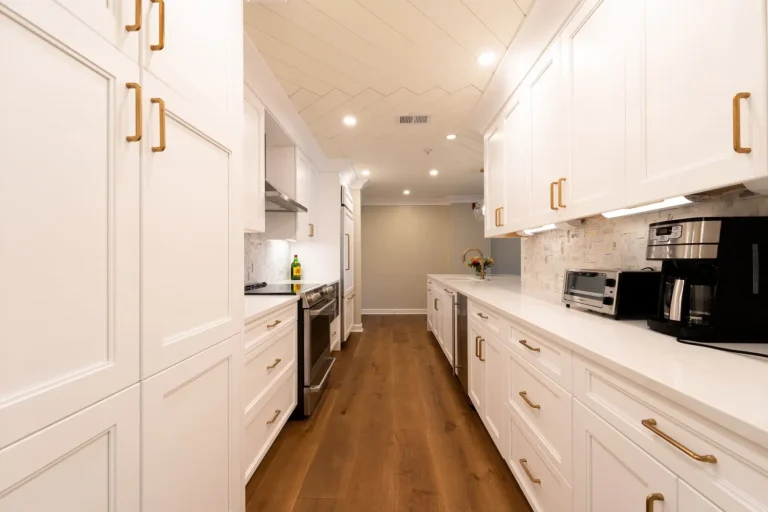

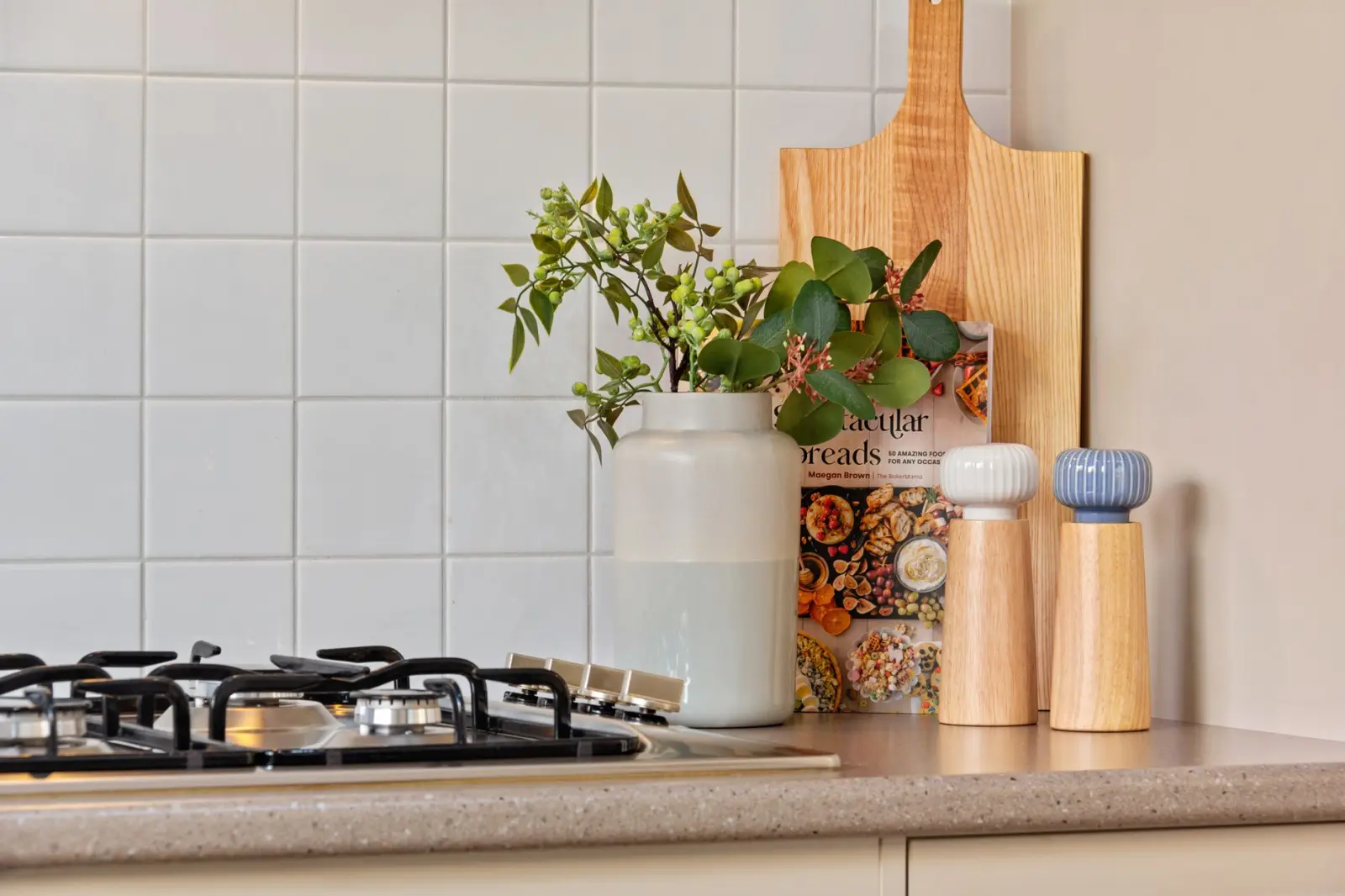
After years of watching kitchen benchtops fail or flourish in real homes, I’ve learned that the material choice rarely comes down to aesthetics alone. What looks pristine in a showroom tells you almost nothing about how it will perform under the daily wear of a working kitchen. The difference between a benchtop that ages gracefully and one that becomes a source of frustration often hinges on factors homeowners don’t think about until it’s too late.
The first thing to understand is that every material has genuine weaknesses, not just minor quirks. Granite is beautiful but can be porous in places. Laminate is affordable but vulnerable to moisture at the edges. Engineered stone is consistent but can chip if you’re careless. Timber looks warm but demands discipline. There’s no perfect material – only materials that fit your actual kitchen habits and your tolerance for maintenance.
How Your Kitchen Actually Gets Used
Before you look at samples, think honestly about what happens on your benchtop. Do you set hot pans down directly? Do you chop vegetables every day, or is your kitchen mostly for reheating? Do you have young children who might spill juice or knock things over? Does someone in the household have the patience for regular sealing and care, or will that benchtop be neglected for months?
I’ve seen beautiful timber benchtops ruined by someone who thought they could treat them casually. I’ve also seen laminate surfaces that have lasted 15 years because the homeowner was careful and the kitchen wasn’t heavily used. The material matters, but your behavior matters more. If you’re the type to wipe up spills immediately, you can get away with softer or more porous surfaces. If you’re not, you need something forgiving.
The heat question is significant. Many people assume all benchtop materials can handle a hot pot straight from the stove. Some can’t. Laminate will blister. Engineered stone might discolor. Granite usually survives, but not always. Timber will scorch. If you’re someone who reaches for a trivet without thinking, this matters less. If you’re not, you need a material that tolerates abuse.
Stone: Appearance vs. Reality
Granite and marble look expensive and permanent, which is why they’re popular. But the reality is more complicated. Granite is durable, but the quality varies wildly. Some granite is tight and stable. Other granite is riddled with small fissures that can spread over time, especially near the sink where water seeps in. You won’t know which you have until years later. Marble is softer and stains easily – it’s genuinely beautiful but demands more care than most people want to give.
Engineered stone (quartz composite) was developed to solve granite’s inconsistency problem. It’s made from crushed stone bound with resin, so it’s uniform and non-porous. In my experience, it performs well. It resists staining, doesn’t need sealing, and handles daily use without complaint. The downside is that it can chip if something heavy drops on an edge, and some people find the appearance slightly plastic compared to natural stone. It’s also not cheap, though usually less expensive than premium granite.
If you choose any stone, understand that sealing is real work. Natural stone needs resealing every one to three years, depending on the stone and your water quality. I’ve seen homeowners skip this and watch their benchtops slowly absorb stains that become permanent. It’s not difficult work, but it requires remembering to do it and actually following through.
Laminate and Budget Reality
Laminate gets dismissed as cheap, but that’s unfair. A quality laminate benchtop can last 15 to 20 years if you’re reasonable with it. The material is water-resistant on the surface, easy to clean, and comes in dozens of finishes. The real vulnerability is the edge and the seams. Water gets in at the joint where the benchtop meets the wall, or where the sink is installed. Once moisture gets behind the laminate, it swells the substrate and the surface buckles or peels. This is almost always a failure of installation detail, not the material itself.
If you go with laminate, make sure the installer uses proper edge banding and seals the seams correctly. The benchtop itself will outlast the installation if the edges aren’t protected. I’ve also noticed that matte finishes on laminate hide wear better than glossy ones. A high-gloss laminate shows every fingerprint and water spot, which makes the kitchen feel tired faster.
Timber: The Honest Choice
Timber benchtops are becoming more common again, and I understand why. They feel good to work on, they’re warm, and they age in a way that looks intentional rather than worn out. But they’re not low-maintenance, and anyone who tells you otherwise is selling something.
Timber needs oiling regularly – typically every few months, sometimes more often depending on the wood species and your climate. It can scorch if you set down a hot pan. It can stain if you leave something acidic or colored on it. It will dent if you drop a heavy object. These aren’t failures. They’re part of how timber ages. Some people love that patina. Others find it frustrating. You need to know which type you are before you commit.
The wood species matters significantly. Harder woods like blackbutt or spotted gum are more forgiving than softer timber. They’re also more expensive. Cheaper timber species will show damage faster. If you choose timber, budget for professional oiling or restoration every few years, or accept that you’ll be doing it yourself regularly.
Concrete and Tile: The Outliers
Concrete benchtops are durable and can look striking, but they’re porous and need sealing. They also stain easily if not sealed properly, and they can crack if the underlying structure moves. Tile is similar – it’s heat-resistant and durable, but the grout between tiles is a maintenance nightmare. It stains, it harbors bacteria, and it’s difficult to clean properly. Both materials are fine if you understand what you’re getting into, but they’re not lower-maintenance alternatives to stone or laminate.
The Practical Decision
When I help someone choose, I usually ask three questions. First, how long do you plan to stay in the house? If it’s five years, durability matters less than cost. If it’s 20 years, you need something that won’t deteriorate. Second, how much maintenance are you willing to do? If the answer is none, engineered stone or quality laminate is your answer. If you’re willing to oil timber or seal granite, you have more options. Third, what’s your actual budget? Not the aspirational budget, but the real number you’re comfortable spending. That usually narrows things down quickly.
The benchtop you choose will be in your kitchen for years. You’ll work on it every day. It will accumulate marks and stains and small damage. The material that works best is the one that ages in a way you can live with, not the one that looks best in the showroom. That distinction matters more than most people realize.