

Over the past decade, I’ve watched Australian small business owners grapple with something that rarely made it into their original business plans: carbon emissions. Most didn’t set out thinking about their carbon footprint. They were focused on keeping the lights on, meeting payroll, and staying competitive. But somewhere between government policy shifts, customer expectations, and rising energy costs, the low-carbon transition stopped being optional.
What strikes me most is how differently this plays out depending on the business. A small manufacturing operation in regional Victoria faces entirely different pressures than a service business in Sydney’s inner west. Yet both are caught in the same broad current – one that’s reshaping how Australian enterprises operate.
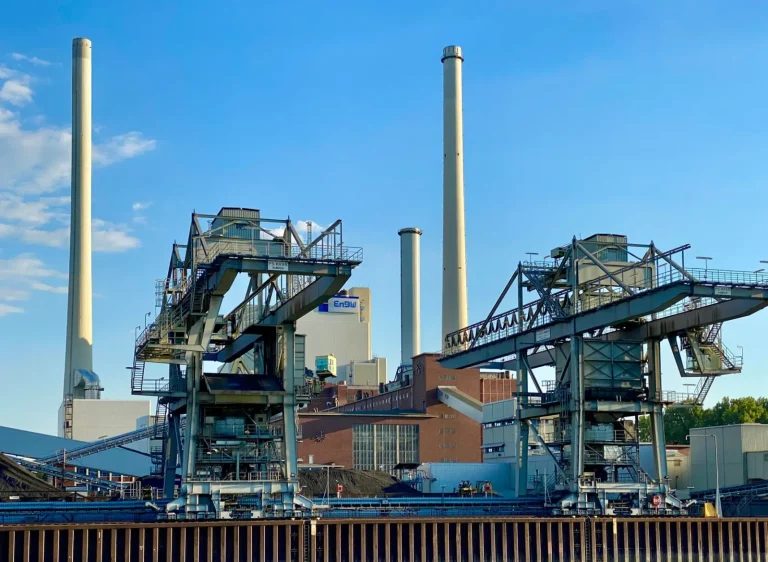
The scale of small business in Australia makes this transition genuinely consequential. Small and medium enterprises account for roughly one-third of Australia’s direct emissions. That’s not a rounding error. It’s the reason governments, investors, and larger corporations increasingly expect smaller players to move on decarbonisation. But the path forward isn’t straightforward, and the barriers are often misunderstood.
Where the Real Friction Points Are
Capital constraints sit at the top of the list, and this isn’t abstract. A small business owner considering solar panels or more efficient equipment faces a genuine trade-off: spend money on emissions reduction now, or reinvest in growth, staff, or debt servicing. Banks will finance expansion more readily than they’ll finance a solar installation that saves money slowly over time. The economics work on paper, but cash flow tells a different story.
I’ve seen businesses with solid profit margins still hesitate on renewable energy because the upfront cost feels risky when you’re operating on tight working capital. A manufacturing business with $2 million in annual turnover doesn’t have the same access to green finance as a large corporation. Specialised green loans exist, but awareness is patchy, and application processes can be laborious for a team that’s already stretched.
Technical knowledge gaps matter more than people acknowledge. A large corporation can hire a sustainability manager or consultant. A small business owner often has to educate themselves while running the operation. Understanding the difference between Scope 1, 2, and 3 emissions, or figuring out which energy audit actually matters, requires time and expertise that’s in short supply. Some business owners I’ve spoken with have invested in audits only to find the recommendations were generic or didn’t account for their specific operational constraints.
Supply chain complexity creates another layer of difficulty. If your business depends on suppliers who haven’t decarbonised, or if your customers don’t yet value lower-carbon options, the incentive to move fast weakens. A small logistics business can’t unilaterally shift to electric vehicles if the supporting infrastructure isn’t there. A food producer can’t source from lower-carbon suppliers if the market doesn’t yet offer them at competitive prices.
What’s Actually Shifting
Despite these obstacles, movement is happening. Some of it is driven by regulation – the mandatory carbon reporting thresholds that now apply to businesses over a certain size. Some is driven by customer demand, particularly from larger corporate clients who are auditing their own supply chains. And some is simply economic: energy costs keep rising, so efficiency improvements pay for themselves faster than they used to.
I’ve noticed that the businesses moving quickest tend to share certain characteristics. They often have an owner or manager who personally understands the business case, not just the moral case. They’ve calculated their energy spend carefully and see efficiency investments as operational improvements, not charitable donations. They’re also typically in industries where energy or transport is a significant cost – hospitality, manufacturing, logistics, construction.
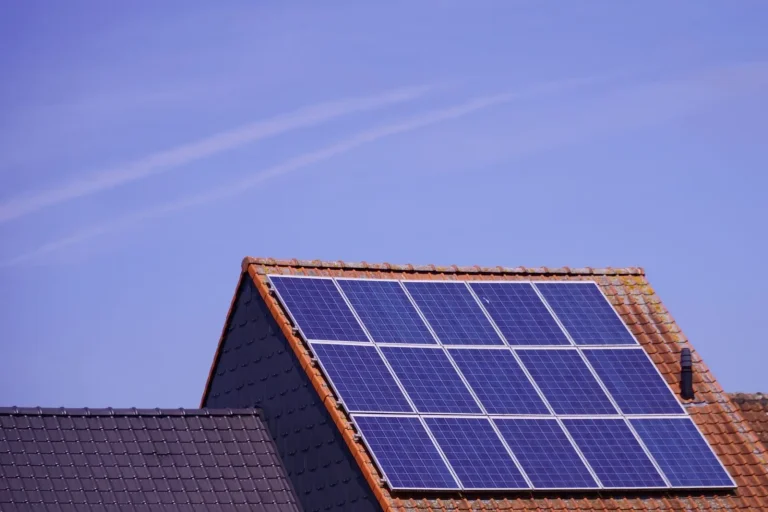
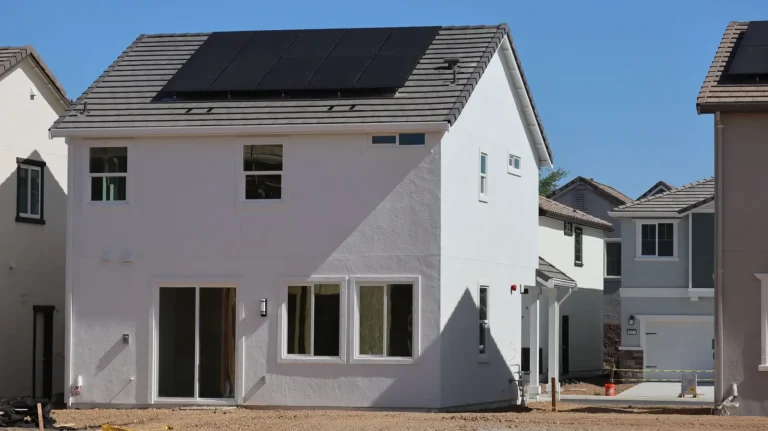
Renewable energy adoption among small businesses has accelerated noticeably. Rooftop solar is now common enough that installation costs have fallen and the payback period is often under seven years. That’s within the planning horizon of most small business owners. Battery storage is slower to adopt, partly because the economics are less compelling without time-of-use tariff structures that reward storage, but that’s changing as grid costs rise.
What’s less visible but equally important is the shift in how businesses measure and manage energy use. Smart metering, basic energy management systems, and regular audits used to be luxuries. Now they’re becoming standard practice. A small business that knows exactly when and where it’s using energy can make targeted improvements without guesswork. This data-driven approach is less glamorous than installing solar panels, but it often delivers faster returns.
The Role That’s Often Overlooked
Small businesses aren’t just emissions sources – they’re also decision-makers in their own supply chains and communities. A small manufacturing business chooses its waste contractor, its logistics partner, its energy provider. Those choices ripple outward. A small construction firm that prioritises low-carbon materials influences what suppliers stock and what becomes economically viable to produce.
This is where policy and market forces intersect in ways that matter. If government procurement policies favour lower-carbon suppliers, small businesses that can meet those standards gain competitive advantage. If major corporations require emissions reporting from their vendors, small businesses have to develop the capability. The transition isn’t something happening to small business – it’s something small businesses are actively shaping through their purchasing decisions and operational choices.
The peer effect is real too. When one business in an industry or region makes a visible move – installing solar, switching to electric vehicles, achieving emissions certification – others pay attention. It normalises the investment and provides proof of concept. I’ve seen clusters of small businesses in the same industrial park or town gradually shift their energy sources or waste management practices as they watch each other’s results.
Collaboration is beginning to emerge as well. Industry associations, business networks, and local government programs are helping small businesses pool resources, share knowledge, and negotiate better terms with suppliers. A single small business might struggle to negotiate green energy pricing, but a group of 20 businesses in the same region has real leverage.
What Remains Uncertain
The pathway forward for Australian small business isn’t fully defined. Policy settings continue to shift. Energy markets are evolving. Technology costs are falling, but not uniformly across all sectors. A small business that invests in decarbonisation today is making a bet on where regulations, customer expectations, and energy economics will be in five or ten years.
Some businesses will move early and gain advantage. Others will wait until the economics are undeniable or regulation forces their hand. Both approaches carry risk. Move too early without clear returns, and you’ve diverted capital from other needs. Move too late, and you’re scrambling to catch up while competitors have already optimised their operations and locked in better energy contracts.
The honest observation is that small business decarbonisation in Australia is still finding its rhythm. It’s not a solved problem with a clear playbook. It’s messy, context-dependent, and heavily influenced by factors outside any individual business’s control. But the direction is clear, the pressures are real, and the businesses that treat this as an operational challenge rather than a compliance burden tend to find better outcomes.