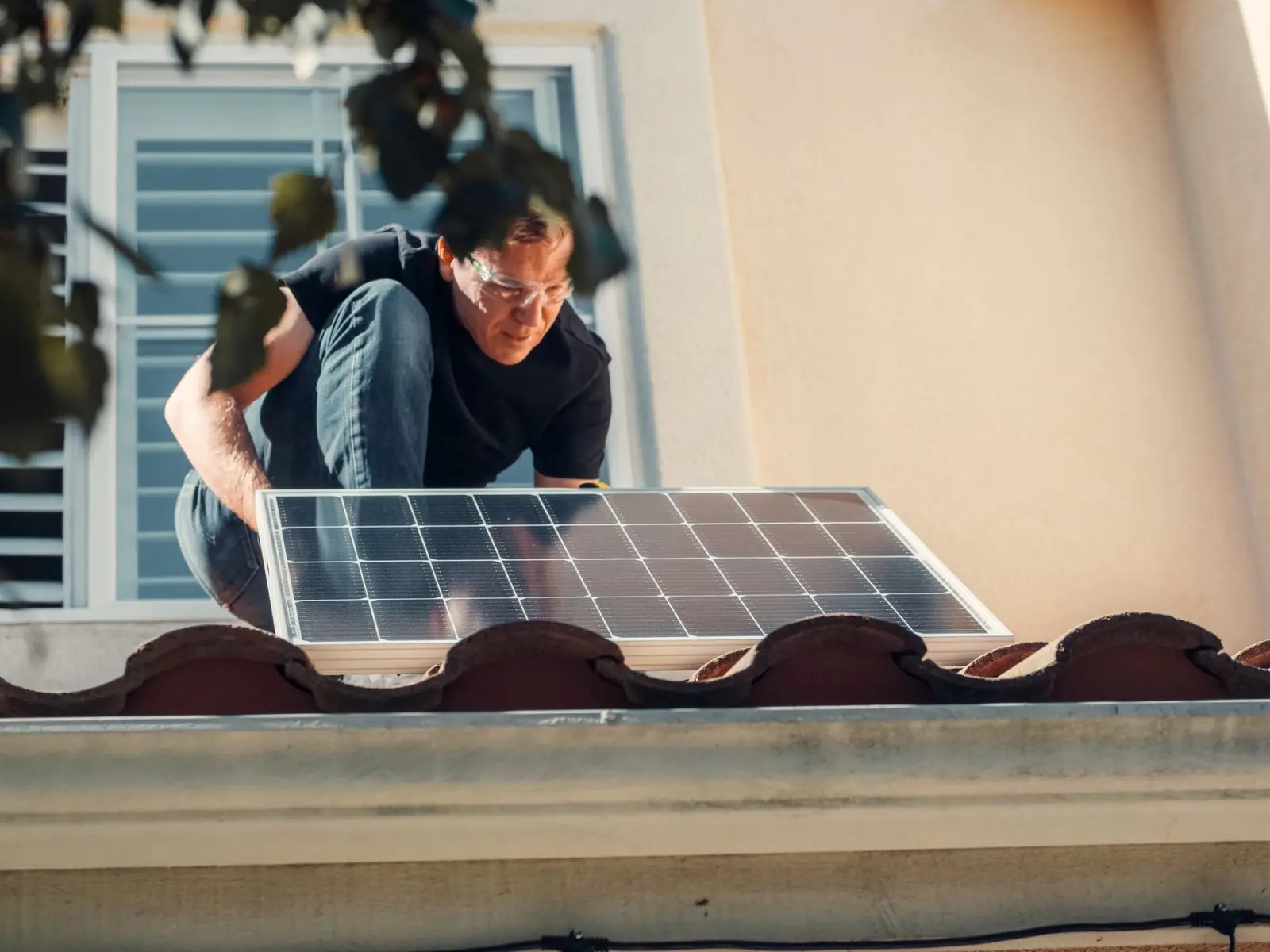
After years of working with residential solar installations, I’ve noticed that most homeowners treat their panels like they treat their roof: install it, forget about it, and hope it lasts. The difference is that a roof doesn’t have an inverter, wiring, or a monitoring system that can tell you when something is slipping. Solar systems are more forgiving than people assume, but they’re also more vulnerable to specific failure modes that creep up quietly.
The panels themselves are remarkably durable. Modern silicon panels degrade at roughly 0.5 to 0.8 percent per year under normal conditions. That’s not a catastrophic loss, and it’s factored into the 25 to 30-year warranty most manufacturers offer. But that degradation is only the baseline. What actually determines whether your system performs well over a decade or more comes down to everything around the panels: the wiring, the inverter, the mounting hardware, and the cleanliness of the glass.
I’ve pulled apart enough systems to know that the real problems rarely originate with the cells themselves. They originate with moisture, corrosion, loose connections, and accumulated dirt. These are the issues that separate a system running at 95 percent of its rated capacity from one limping along at 80 percent.
Moisture and Corrosion in the Electrical Path
The most common degradation I encounter involves water getting where it shouldn’t. This happens in a few predictable ways. The junction boxes on the back of panels are sealed, but seals fail. Connectors that look weatherproof still allow moisture ingress over years of thermal cycling. When moisture meets copper and aluminum, you get corrosion, and corrosion creates resistance in the circuit.
I’ve seen systems where a single corroded connector reduced output by 15 to 20 percent across an entire string. The homeowner had no idea because the system was still producing power. It just wasn’t producing what it should have been. The monitoring system showed a decline, but without a baseline from a professional inspection, most people don’t know whether that decline is normal or a sign of trouble.
This is why I recommend a thermal imaging inspection every three to five years for systems in humid climates or areas with significant temperature swings. A thermal camera shows you hot spots in the array that indicate high resistance points. It’s the most reliable way to catch these problems before they become expensive.
Inverter Aging and Component Failure
The inverter is the system’s weak point, and I say that without hesitation. String inverters and microinverters both have capacitors and other electronic components with finite lifespans. In residential installations, I typically see the first inverter failures around year eight to twelve, depending on ambient temperature and duty cycle.
Heat accelerates everything. An inverter mounted in a hot garage or attic will fail faster than one in a shaded location. I’ve replaced inverters that were only seven years old in systems installed in direct sun, and I’ve seen ten-year-old units still running strong in cooler installations. The difference isn’t dramatic, but it’s measurable.
What’s important to understand is that inverter failure doesn’t always announce itself loudly. Sometimes the system just produces less power. Sometimes it shuts down during the hottest part of the day when you need it most. Sometimes it goes into a fault mode that requires a manual reset. Any of these symptoms warrant a professional look, because a degrading inverter can also damage other components if left unchecked.
Panel Soiling and Light Transmission Loss
Dirt on panels is straightforward, but its impact is often underestimated. A light dust film might reduce output by 2 to 5 percent. Heavy soiling, bird droppings, pollen accumulation, or mineral deposits from hard water can easily cut output by 15 to 25 percent. I’ve measured systems where the loss was even higher in specific areas of the array.
The problem varies by location and season. Systems in dusty climates, near agricultural areas, or downwind from industrial activity need more frequent cleaning. Systems near the ocean deal with salt spray. Systems under trees deal with pollen and sap. In most residential settings, a cleaning once or twice a year maintains reasonable output.
What I’ve learned is that homeowners often wait too long to clean. They see a slight decline in production and assume it’s normal degradation. By the time they act, the panels have been underperforming for months. A simple visual inspection from the ground tells you whether cleaning is needed. If you can see dust, dirt, or discoloration, the panels are losing efficiency.
Wiring Degradation and Connection Integrity
The wiring that connects panels to the inverter and the inverter to the house electrical system faces constant environmental stress. UV exposure degrades insulation over time. Thermal cycling causes expansion and contraction that loosens connections. Animals sometimes chew through conduit. Wind can stress mounting points and the wires attached to them.
I’ve found loose lugs on combiner boxes, corroded breaker terminals, and undersized wire that was marginal from the start and becomes problematic as it ages. None of these issues are catastrophic immediately, but they all increase resistance and reduce efficiency. They also create fire hazards if left unchecked.
An annual visual inspection of all accessible wiring and connections catches most of these problems early. Look for discoloration, corrosion, loose bolts, or signs of animal damage. If you’re not comfortable doing this yourself, a qualified solar technician can do it quickly and inexpensively.
Monitoring Data as an Early Warning System
The best tool you have is your monitoring system. Most modern installations include real-time monitoring that shows daily production, efficiency metrics, and sometimes fault codes. The key is actually paying attention to it.
A gradual decline in output over months or years is normal and expected. A sudden drop, or a decline that accelerates beyond the normal degradation curve, signals something worth investigating. Comparing your system’s performance to weather data helps distinguish between cloudy days and actual equipment problems. If production drops 20 percent on a clear day compared to the same day last year, something is wrong.
I recommend checking your monitoring app monthly and keeping a simple log. You don’t need to obsess over daily fluctuations, but noticing trends gives you the information you need to decide whether to call a technician. Early detection of problems like inverter failure or significant soiling saves money and frustration.
The reality of solar maintenance is that it’s not demanding, but it requires consistency and attention. Systems that receive regular cleaning, occasional inspections, and prompt attention to monitoring alerts perform reliably for decades. Systems that are ignored tend to underperform and develop problems that become expensive to fix. The difference isn’t in the equipment; it’s in how you engage with it.