
After years of working in homes across different climates and building types, I’ve noticed something consistent: people rarely think about ventilation until something goes wrong. A stuffy bedroom in winter, moisture collecting on windows, a musty basement smell – these aren’t random complaints. They’re signals that air isn’t moving the way it should be, and once you understand why that matters, you start seeing ventilation problems everywhere.
Most homes aren’t designed to be airtight. They breathe. Air leaks in through gaps around windows, doors, and electrical outlets. It escapes through the attic, crawl spaces, and foundation cracks. This natural exchange has kept houses reasonably comfortable for generations. The problem is that modern construction has tightened up considerably. We’ve added insulation, sealed air leaks, and installed high-efficiency windows – all good things for energy savings. But we’ve done this without always ensuring that fresh air can get in and stale air can get out in a controlled way. The result is homes that trap moisture, odors, and pollutants inside.
Ventilation and air movement are not the same thing. A fan running in your bedroom moves air around the room, which can feel pleasant on a hot day. But ventilation is about exchanging indoor air with outdoor air. It’s about removing moisture-laden air from the bathroom before it settles into the drywall. It’s about pulling cooking odors and combustion byproducts out of the kitchen. It’s about preventing carbon dioxide from accumulating in bedrooms while people sleep. These functions require a system, not just a breeze.
What Happens When Ventilation Fails
I’ve opened up walls in homes where moisture had been trapped for years. The drywall was soft. The framing was beginning to rot. The insulation had lost its R-value because it was damp. None of this happens overnight, but it’s almost always preventable with adequate ventilation. Moisture is the enemy of building materials. It encourages mold growth, weakens wood, and corrodes metal fasteners. In a bathroom without a properly vented exhaust fan, moisture from a single shower can take days to dry out completely. That moisture has to go somewhere. If it can’t escape through ventilation, it migrates into the walls and ceiling.
Basements and crawl spaces are particularly vulnerable. These areas naturally collect moisture from the soil. Without ventilation or dehumidification, that moisture rises into the living space above. I’ve seen homeowners spend thousands on new flooring and carpet only to have it fail again within a few years because they never addressed the underlying moisture problem. Proper ventilation or a dehumidifier would have cost a fraction of that.
Poor ventilation also affects air quality in ways people don’t always connect to comfort. Off-gassing from new furniture, carpet, and paint happens in every home. Cooking releases particulates and volatile organic compounds. People shed skin cells and exhale carbon dioxide. Pets add their own contributions. In a well-ventilated home, these things are diluted and removed. In a poorly ventilated home, they accumulate. You might not consciously notice it, but you’ll feel tired more easily, headaches might be more frequent, and the house just feels stale.
The Balance Between Efficiency and Freshness
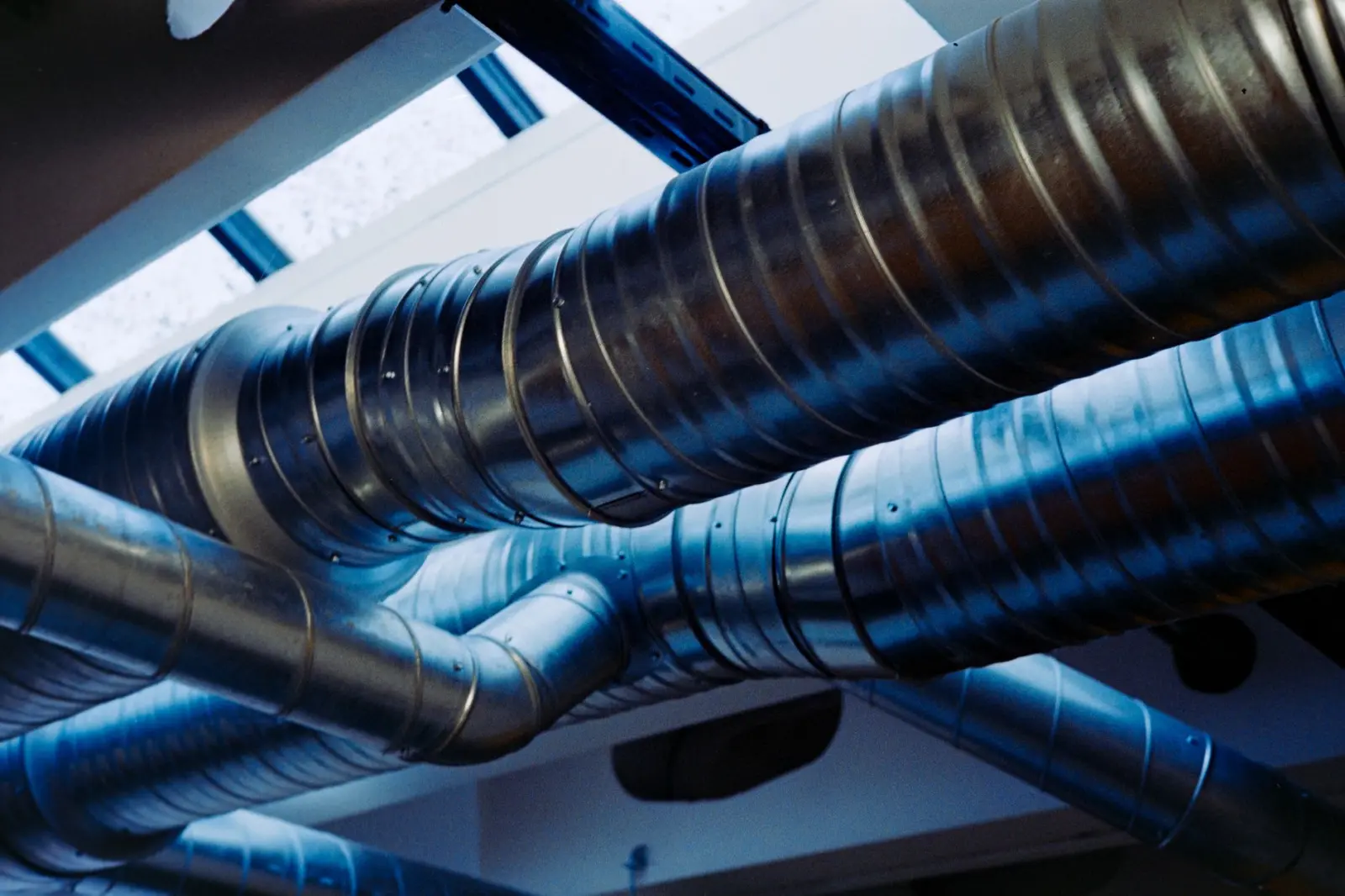
The shift toward energy-efficient homes created a real tension. Tighter construction means less heat loss in winter and less cooling loss in summer. That’s genuinely valuable. But it also means less accidental air exchange. Many builders and homeowners assumed that HVAC systems would handle ventilation, but most standard furnaces and air conditioners don’t bring in fresh outside air. They just recirculate what’s already inside. A return air duct pulls air from the house, the system conditions it, and supply ducts push it back. The air never leaves the building.
This is where mechanical ventilation systems become important. A properly designed system includes some way to bring in outside air and exhaust indoor air. This might be as simple as bathroom and kitchen exhaust fans that actually vent to the outside, not into the attic. It might be a whole-house ventilation system like an energy recovery ventilator, which exchanges indoor and outdoor air while recovering heat or cooling energy. The specifics depend on climate, building tightness, and occupant needs.
The challenge is that good ventilation costs money to install and operate. It also requires maintenance. Exhaust fans need clean filters and ductwork. Energy recovery ventilators have filters that clog over time. Many homeowners neglect this maintenance, which defeats the purpose. I’ve found exhaust fans that hadn’t been cleaned in years, their filters completely blocked, moving almost no air despite running constantly.
Reading the Signs in Your Own Home
There are reliable indicators that ventilation isn’t working properly. Condensation on windows during cold months is one of the most obvious. That moisture has to come from somewhere inside the house – typically from cooking, showering, or just people living there. If it’s not being ventilated out, it condenses on the coldest surface it can find. Single-pane windows show this first, but it can happen on double-pane windows too if the indoor humidity is high enough. This isn’t just cosmetic. Over time, that moisture can damage the window frame and sill.
Odors that linger are another sign. A kitchen should smell like cooking while you’re cooking, but that smell should be mostly gone within an hour or two. If cooking odors hang around for half a day, the exhaust fan either isn’t running, isn’t vented outside, or isn’t moving enough air. The same applies to bathroom odors. A properly functioning exhaust fan should clear a bathroom within 15 or 20 minutes of a shower.
Stuffiness is harder to quantify but just as real. You walk into a room and it feels thick or heavy. It’s not necessarily too warm or too cold. It’s just that the air feels stale. This often happens in bedrooms with doors closed, or in finished basements without windows. The carbon dioxide concentration rises, oxygen drops, and your body registers that something is off. Cracking a window helps immediately, which tells you the problem is lack of fresh air exchange.
Musty smells in basements, crawl spaces, or closets indicate moisture and poor air movement. These spaces need either ventilation or dehumidification or both. A basement that smells musty after a rain is telling you that moisture is being trapped inside. This is a structural health issue, not just a comfort issue.
The Practical Reality
Most homes need a combination of things to maintain good ventilation. Exhaust fans in bathrooms and kitchens are non-negotiable. They should be vented to the outside, not into the attic or a soffit. They should run during and for some time after moisture-generating activities. In newer, tighter homes, a whole-house ventilation strategy becomes more important. This might include controlled fresh air intake, often tied to the HVAC system, or a dedicated ventilation system.
The investment in proper ventilation pays off in multiple ways. Moisture-related damage is prevented. Air quality improves, which affects how people feel day to day. Energy efficiency is maintained because you’re not constantly opening windows to get fresh air. Heating and cooling systems work more efficiently when they’re not fighting against moisture. Over time, the cost of addressing ventilation problems is far higher than the cost of getting it right from the start.
What I’ve learned from seeing countless homes is that ventilation is invisible when it’s working. You don’t think about it. The house feels comfortable, smells fresh, and stays dry. The moment it stops working, you notice. By then, there’s often damage that could have been prevented. Understanding why airflow matters – not just for comfort, but for the actual durability of your home – changes how you approach maintenance and upgrades.