
After years of inspecting roofs across different Australian regions, I’ve noticed that material choice often comes down to something simpler than most people think. It’s not really about finding the “best” roof. It’s about matching what’s above your head to what’s actually happening in the air around it. Australia’s climate doesn’t play by one set of rules, and neither should your roofing strategy.
The mistake I see most often is homeowners treating their roof choice as a one-time decision based on initial cost or appearance. In reality, a roof is in constant negotiation with its environment. Heat cycles, humidity swings, salt spray, hail, and UV exposure all work differently depending on whether you’re in coastal Queensland, inland Victoria, or the tropical north. A material that performs beautifully in one location can fail prematurely just a few hundred kilometers away.
Thermal Stress and Material Movement
Australian sun is relentless, and it creates genuine physical stress on roofing materials. During a hot day, the surface temperature of a dark roof can easily exceed 70°C, sometimes pushing toward 80°C or higher. At night, especially inland where there’s little cloud cover, temperatures can drop 20 to 30 degrees. This daily cycling causes materials to expand and contract repeatedly, year after year.
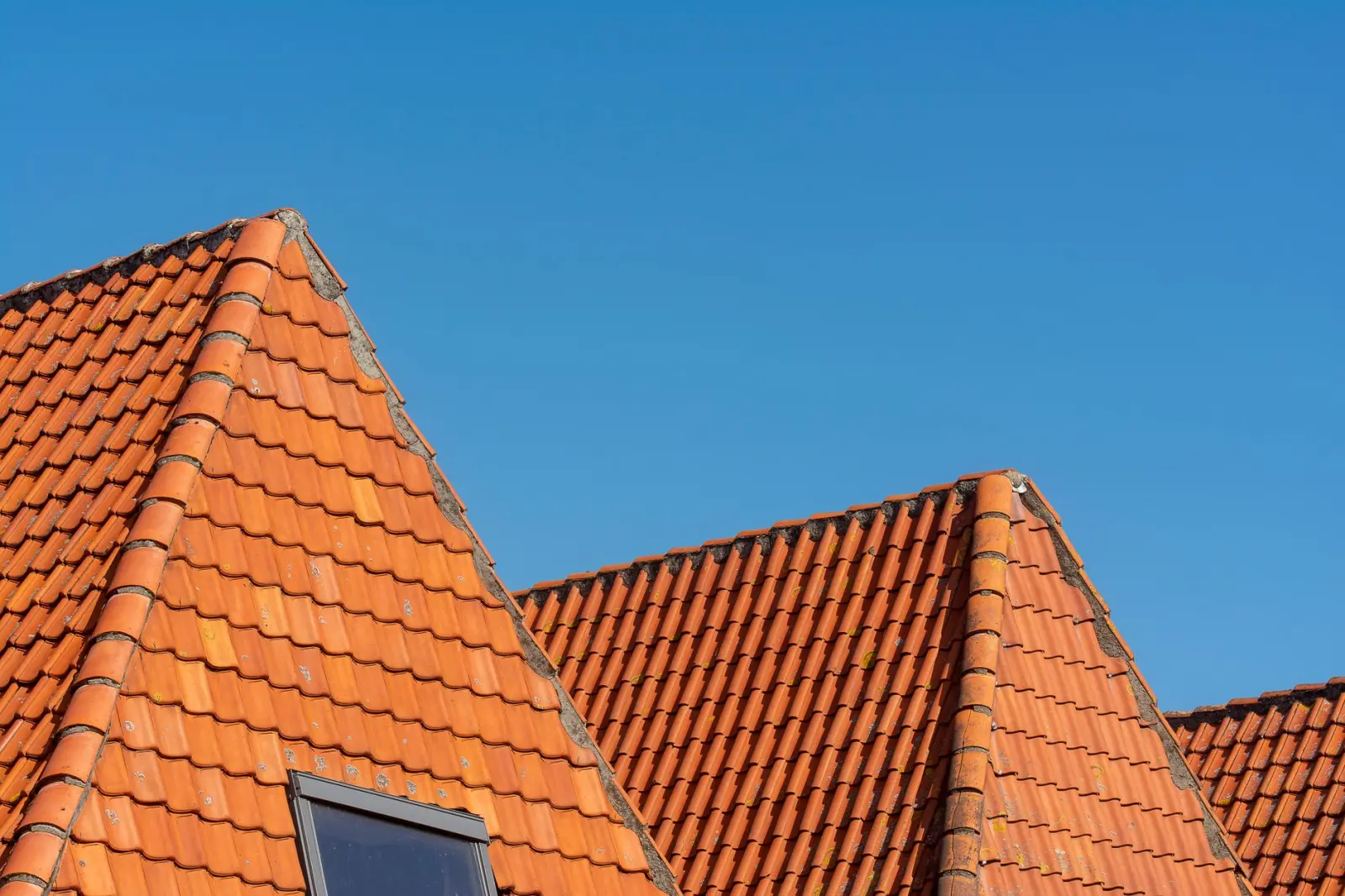
Concrete tiles handle this reasonably well because they’re dense and heavy, but they’re not immune. I’ve seen concrete tile roofs develop hairline cracks after 15 to 20 years in hot inland areas. The cracks usually start at the nail holes where stress concentrates. Terracotta tiles are more brittle and crack more readily under extreme thermal cycling, though they tend to last longer in coastal areas where temperature swings are gentler.
Metal roofing – whether colorbond or zincalume – moves more visibly. The fasteners holding metal sheets experience constant micro-movement. Over time, this can loosen fixings or cause the rubber washers to deteriorate. I’ve found that metal roofs in high-heat areas need inspection every 5 to 7 years, particularly around fasteners and ridge caps. The material itself doesn’t fail quickly, but the connections do.
Asphalt shingles, which are common in cooler climates, perform poorly in sustained Australian heat. The bitumen binder softens, and shingles can curl or blister within 10 to 12 years in hot regions. They’re not ideal for most of mainland Australia, though they can work in cooler southern areas if you accept shorter lifespan.
Salt, Humidity, and Coastal Exposure
Coastal properties face a different beast entirely. Salt spray corrodes metal rapidly and can degrade mortar between tiles. I’ve inspected 15-year-old metal roofs on coastal properties where the underside shows significant corrosion, even with decent paint systems. Standard colorbond isn’t always enough. Many coastal homes now use Zincalume or stainless steel fasteners, which adds cost but extends the roof’s working life significantly.
Concrete tiles in coastal areas often develop a greenish or blackish staining from algae and lichen growth, which is mostly cosmetic but indicates moisture retention. More concerning is salt penetration into the tile body itself. Over decades, this can weaken the tile structure. Terracotta tiles, being more porous, absorb salt more readily and can spall or flake at the edges after prolonged exposure.
Tile mortar and pointing in coastal zones needs regular attention. I’ve seen entire roof sections where the mortar has blown out because salt crystallization has fractured it from within. This isn’t a quick failure – it’s a slow process that accelerates if the roof isn’t maintained.
Tropical and High-Humidity Regions
In tropical areas, the problem shifts to moisture and biological growth rather than thermal extremes. Humidity stays high year-round, and roofs rarely dry completely between rain events. Concrete tiles can develop persistent algae and moss, which traps moisture and accelerates deterioration. Metal roofing in tropical zones tends to perform better because water runs off quickly and the surface dries faster.
Cyclone risk in northern Australia also influences material choice. Metal roofing, when properly fastened, generally performs better under extreme wind loads than tiled roofs. Tiles can be lifted and scattered, whereas metal sheets, if secured correctly, flex and hold. However, the fastening system becomes critical – standard fasteners aren’t adequate in cyclone zones.
Inland and Arid Conditions
Inland areas experience the most extreme thermal cycling and the lowest humidity. Dust and sand can be abrasive, and UV exposure is intense. Metal roofing performs well here because water isn’t a retention issue and the material’s movement is predictable. Concrete tiles also work, though they’re heavier to transport and install in remote areas, which can drive costs up.
One thing I’ve noticed in arid regions is that roof failures often relate to poor ventilation and trapped heat under the roof space rather than the material itself. Proper airflow under the roof can reduce surface temperatures by 10 to 15°C, which extends material life and reduces interior cooling loads.
Practical Durability Patterns
Across all climates, I’ve observed that material lifespan varies more than manufacturers suggest. A concrete tile roof might last 40 years in a mild coastal climate but only 25 years in a hot inland area. Metal roofing might perform for 30 to 40 years with minimal maintenance in arid zones but need intervention every 5 to 7 years in coastal areas. Terracotta tiles, if well-maintained, can last 50+ years almost anywhere, but maintenance costs are higher.
The real durability factor often isn’t the material itself but the installation quality and ongoing maintenance. Poor roof ventilation, inadequate fastening, and deferred maintenance will age any roof prematurely. Conversely, a well-installed and regularly inspected roof will outlast expectations regardless of material type.
When selecting roofing for an Australian property, the most useful approach is to look at what’s working on neighboring properties in similar microclimates. If houses three streets over have metal roofs that are holding up well after 20 years, that’s more reliable than any generic recommendation. Local experience reveals what actually survives in your specific conditions, not just what theoretically should.