
After years of working in property assessment and renovation across different Australian climates, I’ve watched the conversation shift from theoretical concern to something property owners are actively pricing into their decisions. Climate change isn’t some distant threat anymore – it’s affecting which suburbs people want to live in, how much they’re willing to pay, and what kind of repairs keep appearing on inspection reports.
The relationship between climate risk and property value isn’t straightforward. It’s not that every property in a flood-prone area drops 20 percent overnight. Instead, what I’ve observed is a slow sorting process. Properties in areas with visible, recurring climate stress – regular flooding, severe heat damage, water scarcity – start to underperform compared to similar properties in lower-risk zones. The gap widens over time, and it’s most noticeable when people try to sell.
What makes this complicated is that climate risk varies enormously across Australia. A property in inner Sydney faces different pressures than one in regional Queensland or Western Australia. The damage patterns are different. The insurance costs are different. The buyer sentiment is different. So talking about “Australian property values” as a single thing misses the real story, which is happening in pockets and regions rather than uniformly.
Flood Risk and Coastal Exposure
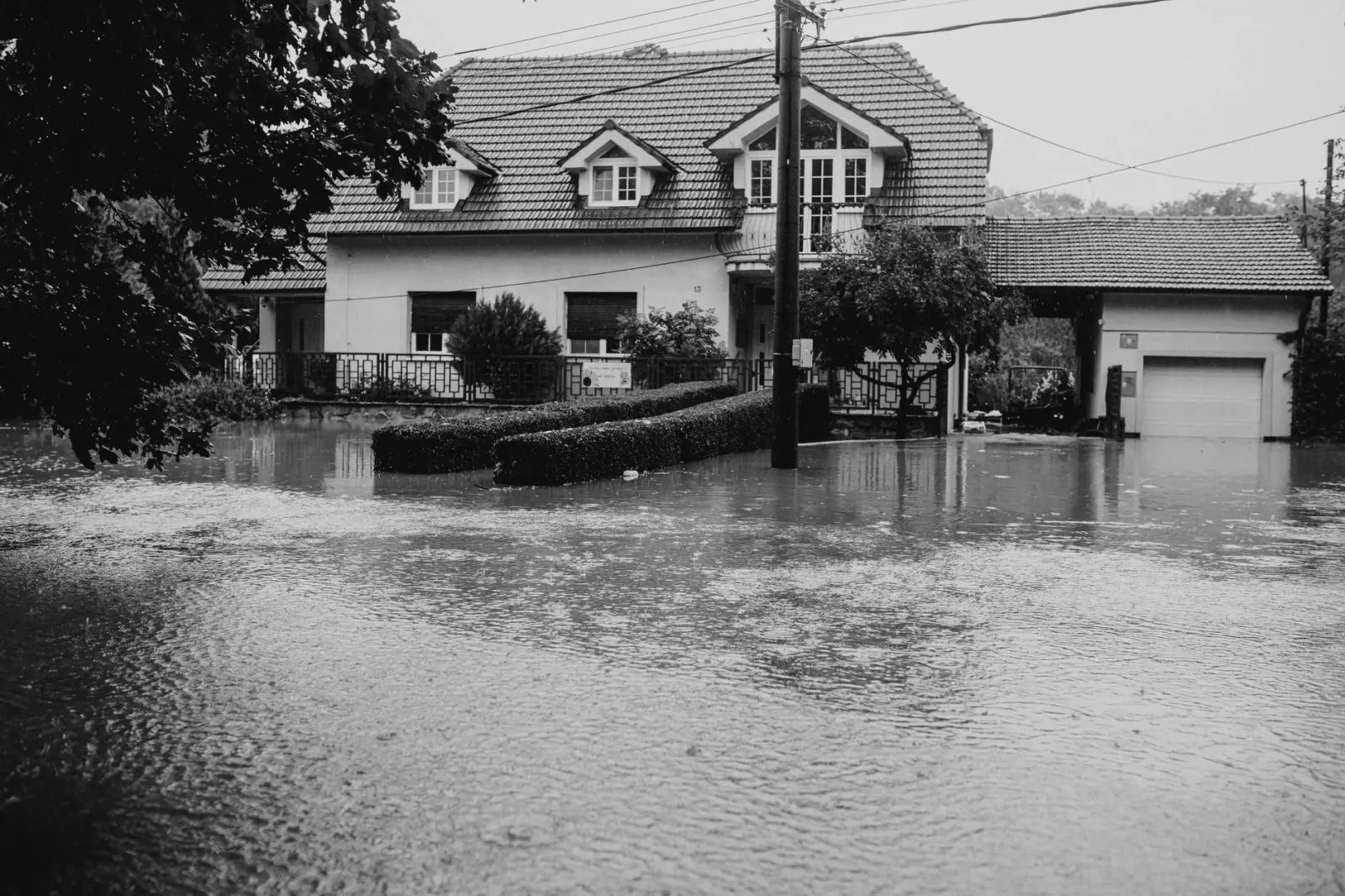
Flooding is the most visible climate pressure on property values I’ve encountered. In areas where flooding has happened once or twice in the past decade, properties often sell at a measurable discount compared to nearby non-flood-affected homes. The discount isn’t always huge – sometimes 5 to 15 percent – but it’s consistent.
What’s interesting is that the discount appears even for properties that didn’t flood themselves. If you’re on higher ground but in a suburb that flooded, buyers remember it. Insurance companies remember it. Banks remember it. And that memory translates into lower valuations and higher premiums. I’ve seen mortgages become harder to secure in areas where flooding is now considered a regular event rather than a rare occurrence.
Coastal properties face a different timeline. Properties in areas with known erosion or rising sea level exposure aren’t necessarily dropping in value today, but the uncertainty is becoming a factor. Some coastal towns in New South Wales and Victoria are starting to see softer sales in the most exposed pockets. It’s not panic yet, but there’s hesitation. Buyers are asking more questions about long-term viability, and some are simply choosing to look elsewhere.
The insurance side amplifies this. As insurers reassess flood and storm risk, premiums rise sharply in high-risk areas. A property that costs $800,000 might suddenly have annual insurance bills that jump from $1,200 to $3,500 or more. That’s a real cost that reduces what buyers are willing to pay. It’s not theoretical – it’s money that comes out of pocket every year.
Heat Stress and Infrastructure Wear
Extreme heat is reshaping properties in ways that are less visible than flooding but just as real. I’ve seen roofing fail earlier in hot climates, solar panel efficiency drop, and air conditioning systems work harder and fail sooner. Properties in areas experiencing regular temperatures above 40 degrees Celsius show accelerated wear on materials and systems that weren’t designed for that frequency of stress.
This affects property values indirectly. A house that needs a new roof at 15 years instead of 25 years is a property that will cost more to maintain. Buyers factor that in, either consciously or through their banks’ valuations. In inland areas of Queensland, South Australia, and Western Australia, I’ve noticed that properties are increasingly being assessed for their resilience to heat rather than just their location appeal.
Water scarcity compounds the issue. In areas where restrictions on outdoor watering are becoming permanent rather than temporary, landscaping value drops. Large gardens and pools become liabilities rather than assets. Properties are being redesigned around water efficiency, and that redesign costs money upfront. Buyers in water-stressed regions are starting to factor in the cost of drought-resistant landscaping and water-efficient systems, which reduces the appeal of older properties that still have traditional gardens and pools.
Insurance and Mortgage Implications
The financial mechanics of climate risk are becoming as important as the physical risk itself. As insurers tighten their underwriting and raise premiums in high-risk areas, properties become less affordable. A $600,000 property with $1,200 annual insurance is very different from a $600,000 property with $4,000 annual insurance. The second one is effectively more expensive to own, and that gets reflected in what buyers will pay.
Mortgage lenders are also becoming more cautious. Some banks have started to restrict lending in areas they classify as high climate risk. That restriction doesn’t make the property unsellable, but it narrows the pool of potential buyers. Fewer buyers means softer prices. I’ve seen this happen in specific postcodes where lenders have effectively decided the long-term risk is too high.
What’s less talked about is the impact on renovation and improvement financing. If you own a property in a flood-prone area and want to renovate, some lenders are now asking harder questions about whether the investment makes sense. That hesitation filters back to property values. If owners can’t easily finance improvements, properties deteriorate faster, and values decline.
Regional Variation and Market Sorting
The real pattern I’ve observed isn’t a uniform decline across Australian property markets. Instead, it’s a sorting. Properties in lower-risk areas are holding value better and appreciating faster. Properties in higher-risk areas are appreciating slower or, in some cases, declining. The gap between a climate-resilient property and a climate-exposed property in the same city is widening.
This is most obvious in areas where climate stress is already visible and recurring. In parts of inland Australia where drought is now the norm rather than the exception, property values have stalled. In coastal areas where storms are intensifying, there’s hesitation. But in well-positioned suburbs with good water security, low flood risk, and moderate heat exposure, demand remains strong and values continue to climb.
Buyer psychology is shifting too. Younger buyers especially are asking different questions about location. Water security, flood history, and heat exposure are becoming standard questions, not afterthoughts. Real estate agents in high-risk areas are noticing that properties take longer to sell and require more aggressive pricing. It’s not a crisis yet in most places, but it’s a trend that’s accelerating.
The properties that will hold value best over the next 10 to 20 years are those in areas with good climate resilience: reliable water access, low flood risk, moderate temperature extremes, and low insurance exposure. As climate impacts intensify, the premium for these properties will likely increase. Properties in marginal or exposed areas will face ongoing pressure, not necessarily from a single catastrophic event, but from the cumulative effect of higher costs, insurance constraints, and shifting buyer preferences.