
After working through dozens of heatwaves over the years, I’ve noticed that most homeowners don’t actually prepare their homes until the heat arrives. By then, it’s often too late to address the issues that matter most. The difference between a home that stays reasonably comfortable during extreme heat and one that becomes unbearable usually comes down to decisions made weeks or months earlier.
The first thing to understand is that heatwaves don’t just test your air conditioning system – they expose every weakness in your home’s thermal envelope. A gap in your attic insulation that you never noticed in winter becomes a radiant furnace in July. A poorly sealed window frame that let in a slight draft becomes a heat source. These vulnerabilities don’t change the day temperatures spike; they were always there, and the heat simply makes them impossible to ignore.
I’ve seen homes with expensive central air systems struggle more than homes with modest equipment, simply because the expensive systems were installed in homes with poor insulation and air sealing. The system works harder, runs longer, and often can’t keep up anyway. This is why preparation isn’t really about your cooling system – it’s about reducing the load on whatever system you have.
Your HVAC System Needs Attention Before Summer Peaks
Most people call for air conditioning service in June or July, which is exactly when HVAC contractors are busiest and response times are longest. If your system has a problem, you’ll discover it during the worst possible week. A thorough inspection and cleaning should happen in April or May, when technicians have availability and can actually spend time on your equipment.
The inspection matters more than people realize. A refrigerant leak that’s been slow for months will become critical during sustained heat. A compressor that’s been struggling will fail. A clogged condenser coil will reduce efficiency by 20 or 30 percent. These aren’t minor issues – they’re the difference between your system keeping up and your system giving up.
If you have a window unit or portable air conditioner, clean the filters now and check the seals around the unit. I’ve watched people spend money on larger units when the real problem was simply that the existing unit wasn’t sealed properly and was cooling the neighborhood instead of the house. The filter clogs faster than people expect, and a clogged filter means the unit works harder and cools less effectively.
Insulation and Air Sealing Are Your Real Defense
The attic is where most homes lose the battle against heat. If your attic insulation is thin or uneven, or if there are gaps where insulation has settled away from the edges, you’re essentially trying to cool a home with a leaky roof. During a heatwave, attic temperatures can exceed 150 degrees, and that heat radiates down through your ceiling all day and into the evening.
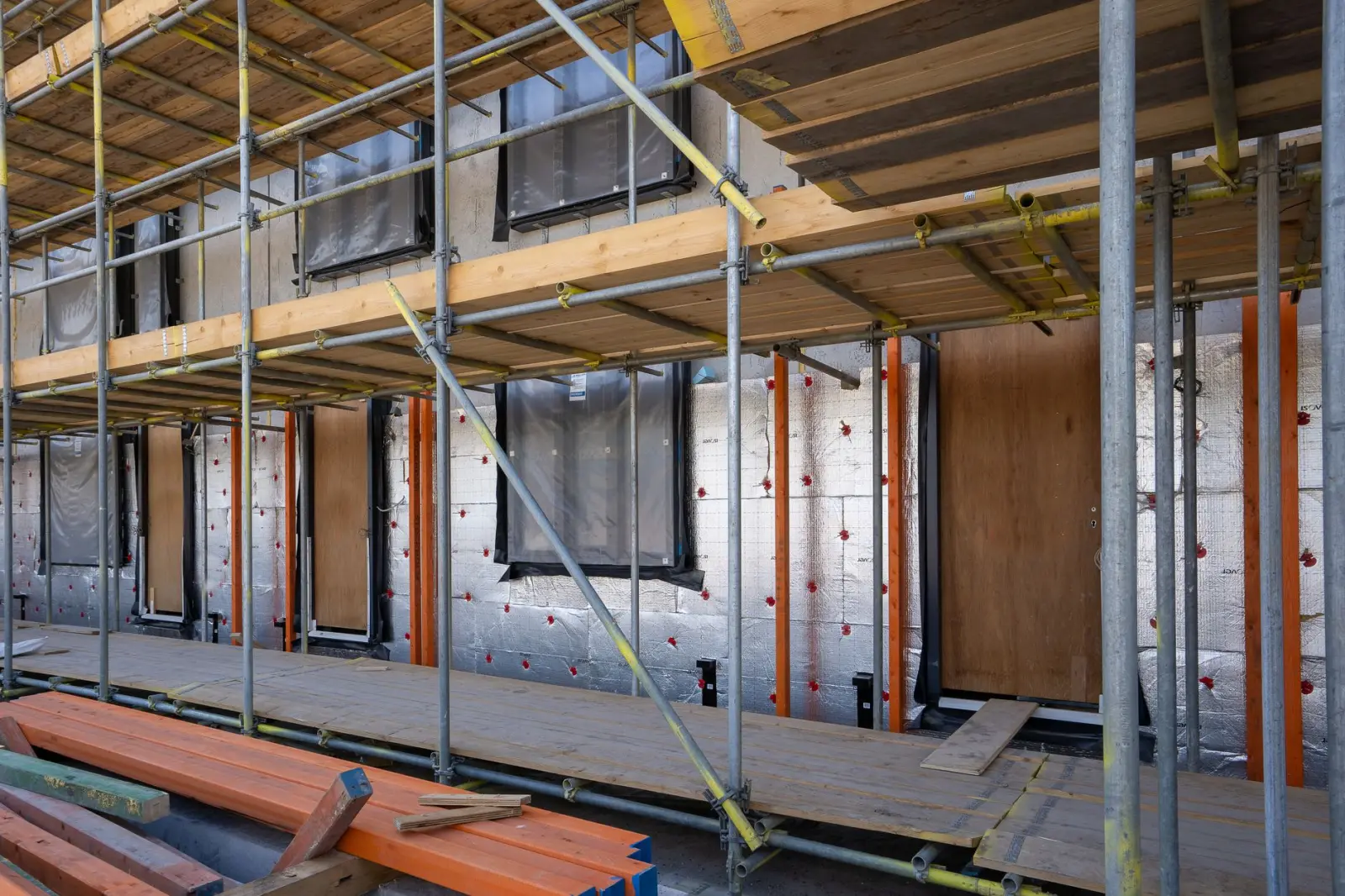
Adding insulation in the attic is straightforward work, but it needs to be done before summer arrives. The same goes for air sealing – finding and closing gaps around electrical outlets, recessed lights, and ceiling penetrations. These small openings don’t matter much in mild weather, but during extreme heat, they become pathways for hot air to enter your living spaces.
Basement and crawlspace insulation is often overlooked, but it matters too. If your basement is uninsulated and exposed to ground temperature, it can actually be a cooler refuge during a heatwave. However, if your air conditioning system is trying to cool an uninsulated basement along with your living spaces, you’re wasting energy. Insulating basement walls and rim joists reduces the overall cooling load on your system.
Windows and Doors Are Significant Heat Sources
Single-pane windows with poor seals are heat collectors. During a heatwave, the sun heats the glass, and that heat radiates into your home. Storm windows or exterior shading help, but the real solution is reducing solar gain before it enters through the glass. This is where exterior shading becomes practical rather than decorative.
Awnings, shade screens, or even well-positioned trees block sunlight before it reaches the window, which is far more effective than trying to block heat after it’s already inside. I’ve seen homes with south and west-facing windows stay noticeably cooler when those windows are shaded during the day. The difference isn’t subtle – it can be 5 to 10 degrees in the rooms behind those windows.
Door seals are equally important. An exterior door with a worn weatherstrip lets hot air infiltrate, and your air conditioning has to work harder to compensate. Replacing weatherstripping is inexpensive and quick, but most people don’t do it until they notice a draft in winter.
Ductwork and System Distribution Often Go Unexamined
If you have central air, your ductwork is either helping you or working against you. Ducts in unconditioned spaces – attics, crawlspaces, or exterior walls – lose cool air as it travels from your system to the rooms. During a heatwave, when your system is running constantly, these losses compound. A duct leak in a hot attic means you’re cooling the attic instead of your bedroom.
Having your ducts sealed and insulated before summer is valuable work. It’s not glamorous, but it directly improves your system’s efficiency and your home’s ability to stay cool. If sealing ducts isn’t practical, at least ensure that the most critical ducts – those running to bedrooms or living areas – are properly insulated and in good condition.
Ductwork balance matters too. If some rooms are consistently warmer than others, it’s often a balancing issue rather than a system failure. Adjusting dampers in your ductwork can help distribute cool air more evenly, reducing the temperature swings that make a home feel uncomfortable even when the thermostat is set correctly.
Thermostat Strategy and System Runtime
During a heatwave, your air conditioning system will run for extended periods. A programmable or smart thermostat can help, but only if it’s set with realistic expectations. Setting the thermostat to 68 degrees during extreme heat forces your system to run continuously, which wastes energy and often fails to keep the home that cool anyway.
I’ve observed that homes stay more comfortable and systems run more efficiently when the thermostat is set to a reasonable temperature – typically 76 to 78 degrees during the day – and then lowered slightly in the evening when outdoor temperatures drop. This allows your system to cycle rather than run constantly, which is better for equipment longevity and energy consumption.
If you have ceiling fans, they help circulate cool air and create air movement that makes a room feel cooler even at a slightly higher thermostat setting. Running fans during the day, especially in rooms where you spend time, reduces the cooling load on your air conditioning system.
The reality of heatwave preparation is that it requires attention to dozens of small details rather than one big fix. A home that stays reasonably comfortable during extreme heat is one where the cooling system doesn’t have to work against a poor thermal envelope, leaky ducts, and inadequate shading. These preparations take time and often some expense, but they pay dividends not just during heatwaves but year-round through lower energy costs and more consistent comfort.