
After years of working on homes, I’ve noticed that most people approach energy consumption like it’s a binary choice: either you’re comfortable or you’re saving money. That’s rarely how it works in practice. The homes that use the least energy while feeling the best are usually the ones where someone has spent time understanding how their systems actually behave throughout the day and across seasons. It’s less about sacrifice and more about alignment.
The gap between what people think will save energy and what actually does is wider than you’d expect. A homeowner will install a programmable thermostat and then override it manually three times a week because the schedule doesn’t match their real routine. They’ll seal every crack in the basement but leave the attic access unsealed. They’ll buy expensive smart bulbs but never configure them properly. What matters isn’t the equipment – it’s whether the approach fits how you actually live.
Where Heat and Cooling Actually Escape
Most homes lose conditioning through predictable routes, and the priority depends on your climate and season. In cold climates, attics are the primary culprit because hot air rises and finds its way out through gaps around vents, light fixtures, and the edges of attic hatches. I’ve seen homes where the attic insulation was adequate but the air sealing was so poor that it barely mattered. The insulation slows heat transfer, but air movement bypasses it entirely.
Basement and crawl space boundaries are equally important in heating season, though people often overlook them because they’re less visible. A rim joist – the band of framing where the foundation meets the floor above – is frequently uninsulated or poorly sealed. Cold air moves in around rim joists and through gaps in band board, and that cold perimeter radiates into living spaces above. In cooling season, the same pathways allow humid outside air to infiltrate, making air conditioning work harder.
Windows and doors get attention they sometimes don’t deserve. Yes, they matter, but a single poorly sealed rim joist can lose more heat than an older double-pane window. That said, windows do create noticeable drafts and temperature variations near seating areas, which affects perceived comfort even if the overall energy loss isn’t the largest. Addressing them often pays off in comfort perception before it pays off in the utility bill.
Thermostat Strategy That Actually Fits Your Life
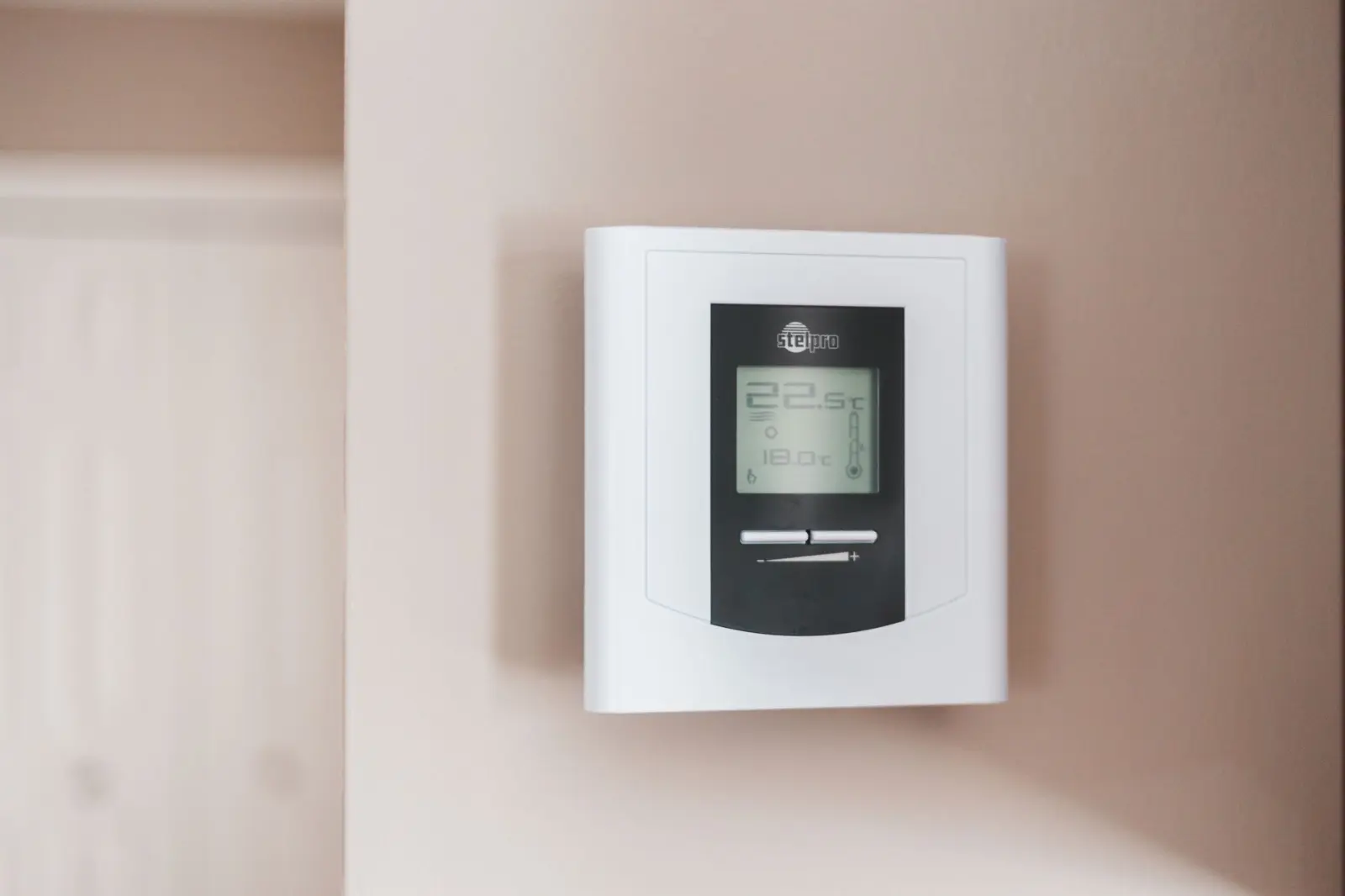
The real energy savings from a thermostat come from letting the temperature swing when you’re not home or sleeping, not from the thermostat itself being smart. A programmable or smart thermostat only saves energy if you use it in a way that’s sustainable for you. If your work schedule is irregular, or you have family members who adjust it constantly, a complex program creates friction and gets overridden.
What I’ve seen work consistently is a simple strategy: set the thermostat lower in winter when you’re asleep or away, and let it recover before you need the space. In summer, do the opposite – let it drift warmer when unoccupied. The recovery time matters. If you set it to recover 30 minutes before you arrive home, you’re comfortable when you walk in without running the system hard all day. A 5- to 8-degree swing between occupied and unoccupied periods can reduce heating and cooling energy by 10 to 15 percent, but only if you actually maintain the schedule.
Smart thermostats with learning features can help if your schedule is consistent enough for the device to learn it. If your routine varies week to week, a simple programmable thermostat with a manual override is often more reliable and less frustrating. The key is that you’ll use it without constantly fighting it.
Water Heating: The Overlooked Load
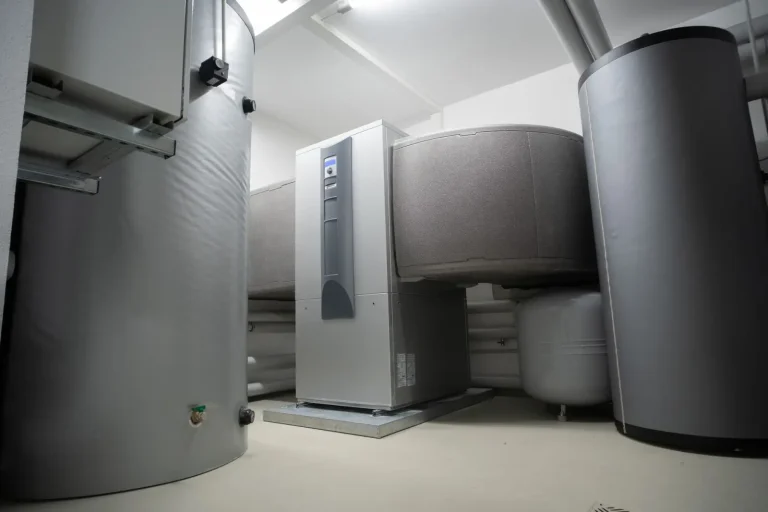
Water heating is typically the second-largest energy consumer in a home after space conditioning, and it’s one of the least visible. Most people don’t think about it until the hot water runs out. The efficiency of your water heater matters, but so does how much hot water you’re actually using and how much heat you’re losing from the pipes.
Insulating hot water pipes is straightforward and inexpensive, especially in basements, crawl spaces, and any exposed runs. The payback is modest but reliable. You’ll notice it most in the first minute of running a hot tap – the water reaches temperature faster because you’re not heating up a column of cool water in the pipe first. That’s comfort and efficiency together.
Shower duration and temperature are the largest variables in hot water consumption. A 5-minute shower at 110 degrees uses roughly half the energy of a 10-minute shower at 120 degrees. That’s not about being uncomfortable – most people find 110 degrees perfectly hot enough, and the difference is barely noticeable. Showerheads with flow restrictors reduce water volume without reducing pressure, which saves both water and the energy to heat it. These work because they maintain the sensation of pressure while using less volume.
Water heater temperature setting is another lever. Most are set to 140 degrees at the factory, but 120 degrees is usually adequate for household use and reduces both energy consumption and the risk of scalding. If you have a dishwasher that heats its own water, you can go even lower. The trade-off is minimal – you might notice a slightly longer fill time for a bath, but daily showers and hand washing feel the same.
Lighting and Phantom Loads
LED bulbs have changed the economics of lighting. They use about 75 percent less energy than incandescent bulbs and last much longer, so the cost per hour of use is genuinely low. The transition is straightforward and doesn’t require sacrifice – LEDs are now available in warm color temperatures that feel indistinguishable from old incandescent light. The only real adjustment is that they turn on instantly, whereas some older CFLs had a warm-up period.
Where people often go wrong is installing dimmers with LEDs that aren’t designed to be dimmed, or using smart bulbs in fixtures where they’re not actually needed. A basic LED bulb in a closet or utility room is fine. A smart bulb in a bedroom where you want remote dimming might make sense. Most homes benefit more from simply replacing all bulbs with efficient ones than from trying to automate lighting that’s rarely on for long periods anyway.
Phantom loads – devices drawing power while off or in standby – add up across a home. A cable box, printer, computer monitor, and microwave in standby mode can collectively draw 50 to 100 watts continuously. Over a year, that’s noticeable on the utility bill. The practical response isn’t to unplug everything, but to group devices on power strips that you can turn off when they’re not in use. A home office setup or entertainment center is a good candidate. A refrigerator or freezer is not.
Insulation and Air Sealing: The Unglamorous Foundation
Insulation and air sealing are the foundation of energy efficiency, and they’re boring enough that people often skip them in favor of more visible upgrades. But they’re where the real work happens. A home with poor insulation and good air sealing will be more comfortable and efficient than a home with excellent insulation and poor air sealing, because air movement matters more than conductive heat loss in most residential situations.
Air sealing means finding and closing gaps where conditioned air escapes or outside air enters. Common locations include rim joists, band board, around electrical outlets and switches on exterior walls, gaps around plumbing and HVAC penetrations, and attic access hatches. Weatherstripping on doors and caulking around windows are part of it, but they’re usually not the biggest contributors. The larger payoff comes from sealing the boundary between conditioned and unconditioned spaces – between the living area and the attic, basement, or crawl space.
Attic insulation depth varies by climate, but in most regions, 12 to 16 inches of fiberglass or cellulose is standard. More is better, but with diminishing returns. The cost-effectiveness drops off significantly beyond that point unless you’re in an extreme climate. Basement walls and crawl space walls are worth insulating if they’re below grade, because the earth around them is cold year-round. Floors above unconditioned basements or crawl spaces should be insulated on the underside if access allows, or from above if the floor is being replaced.
Appliances and Real-World Patterns
Older appliances use more energy than new ones, but replacing a functioning appliance purely for efficiency is rarely cost-effective unless it’s a water heater or HVAC system that’s near the end of its life. Where efficiency matters most is when you’re replacing something anyway. A new refrigerator, washing machine, or dishwasher will use noticeably less energy than one from 15 or 20 years ago, and the difference compounds over years of use.
How you use appliances matters as much as which ones you own. Running the dishwasher with a full load instead of hand-washing uses less water and energy. Washing clothes in cold water saves energy without sacrificing cleanliness for most loads. Air-drying clothes eliminates the dryer’s energy use entirely, though that’s a comfort and lifestyle choice, not just an efficiency one. Cooking habits – using lids on pots, matching pan size to burner size, using the microwave for small portions – reduce energy without affecting meal quality.
The refrigerator runs 24/7, so its efficiency matters more than an appliance you use for an hour a day. Keeping the coils clean and the door seals intact helps it run efficiently. Keeping it at 37 to 40 degrees is adequate and uses less energy than 35 degrees. The difference in food preservation is negligible for most households.
Over time, I’ve found that homes that feel most comfortable while using the least energy are the ones where the occupants understand their systems and have made small adjustments that align with how they actually live. It’s