
After years of working with heating and cooling systems across Australian homes, I’ve noticed something consistent: most people install equipment based on what they’re told will work, not on what actually performs in their specific house. The gap between expectation and reality is where most problems live.
Australia’s climate diversity makes this particularly tricky. A system that runs efficiently in Melbourne’s cool winters might struggle in Brisbane’s humidity. A setup that handles Sydney’s moderate conditions can be wildly oversized for Adelaide’s dry heat. Yet homeowners often inherit whatever was installed before, or they copy what worked for a neighbor three suburbs over. The result is rooms that never quite reach the right temperature, energy bills that spike unexpectedly, and equipment that wears out faster than it should.
The first thing I learned was that efficiency isn’t really about the machine – it’s about the house. A top-tier air conditioning unit in a poorly insulated home with gaps around windows and doors will run constantly and never feel efficient. It’s like trying to cool a room with the door open. I’ve seen homes where the owners blamed their system for high bills when the real culprit was thermal leakage they’d never addressed. Once they sealed the gaps and improved insulation, the same system performed noticeably better and ran less often.
How Climate Zones Actually Affect Performance
Australia’s heating and cooling needs vary dramatically by region, and this matters more than most people realize. In tropical and subtropical zones – Darwin, Cairns, Brisbane – cooling is the dominant concern. Humidity is relentless, and the air conditioning runs year-round. I’ve worked on systems in these areas that operate almost continuously during summer, which means efficiency becomes critical because the system is never really resting.
Temperate zones like Sydney and Melbourne need both heating and cooling, but the seasons are distinct enough that equipment can have genuine downtime. This is actually an advantage because systems that cycle on and off tend to last longer than those running constantly. The real challenge in these regions is that many homes were designed for one season more than the other. Older Sydney homes, for instance, were often built to stay cool, with deep eaves and cross-ventilation, but they can be surprisingly hard to heat efficiently in winter.
In the drier regions – Adelaide, Perth, inland areas – heating demand is often underestimated. People assume Australia doesn’t need heating, but winter nights in these places can be cold, and the low humidity means heat escapes quickly through any opening. I’ve seen homes where a modest heating system would have been far more cost-effective than relying on portable heaters or accepting cold rooms for months.
Sizing and the Oversizing Trap
One of the most common mistakes I encounter is oversized equipment. A contractor measures the home, runs a calculation, adds a safety margin, and ends up recommending a system that’s 20 or 30 percent larger than necessary. On paper, this sounds reasonable – you want to be sure it can handle peak demand. In practice, an oversized system cycles on and off more frequently, which reduces efficiency and increases wear on components.
An undersized system is obviously problematic too, but it’s rarer because contractors naturally err on the side of caution. The real issue is that sizing calculations often ignore the actual thermal performance of the building. They assume standard insulation and standard air-tightness, but real homes vary. A well-insulated, well-sealed home needs less capacity than a drafty one. I’ve seen cases where a homeowner upgraded their insulation and sealed air leaks, then discovered their existing system was actually adequate – they’d been paying for more capacity than they needed.
Ductwork and the Hidden Efficiency Killer
Central air conditioning systems depend entirely on ductwork, and this is where efficiency often disappears. Ducts that aren’t properly sealed, insulated, or designed lose a surprising amount of conditioned air before it reaches the room. I’ve measured temperature differences of 5 to 10 degrees between the unit and the end of a long, uninsulated duct run. The system works harder to compensate, energy consumption climbs, and the room still doesn’t feel right.
Ductwork in Australian homes is frequently routed through roof cavities or under-floor spaces where temperatures can be extreme. In summer, ducts in a hot roof cavity lose cooling; in winter, ducts in an unheated crawl space lose warmth. Adding insulation to these ducts is one of the most cost-effective efficiency improvements available, yet it’s often overlooked because it’s not visible and doesn’t feel like an upgrade.
Duct design itself matters too. Ducts that are too small create excessive air velocity and noise; ducts that are too large waste space and money. Bends and restrictions reduce airflow. I’ve worked on systems where simply rerouting or resizing ducts improved comfort and reduced running time by 15 to 20 percent. This kind of work isn’t glamorous, but it’s where real efficiency gains happen.
Split Systems and Their Practical Advantages
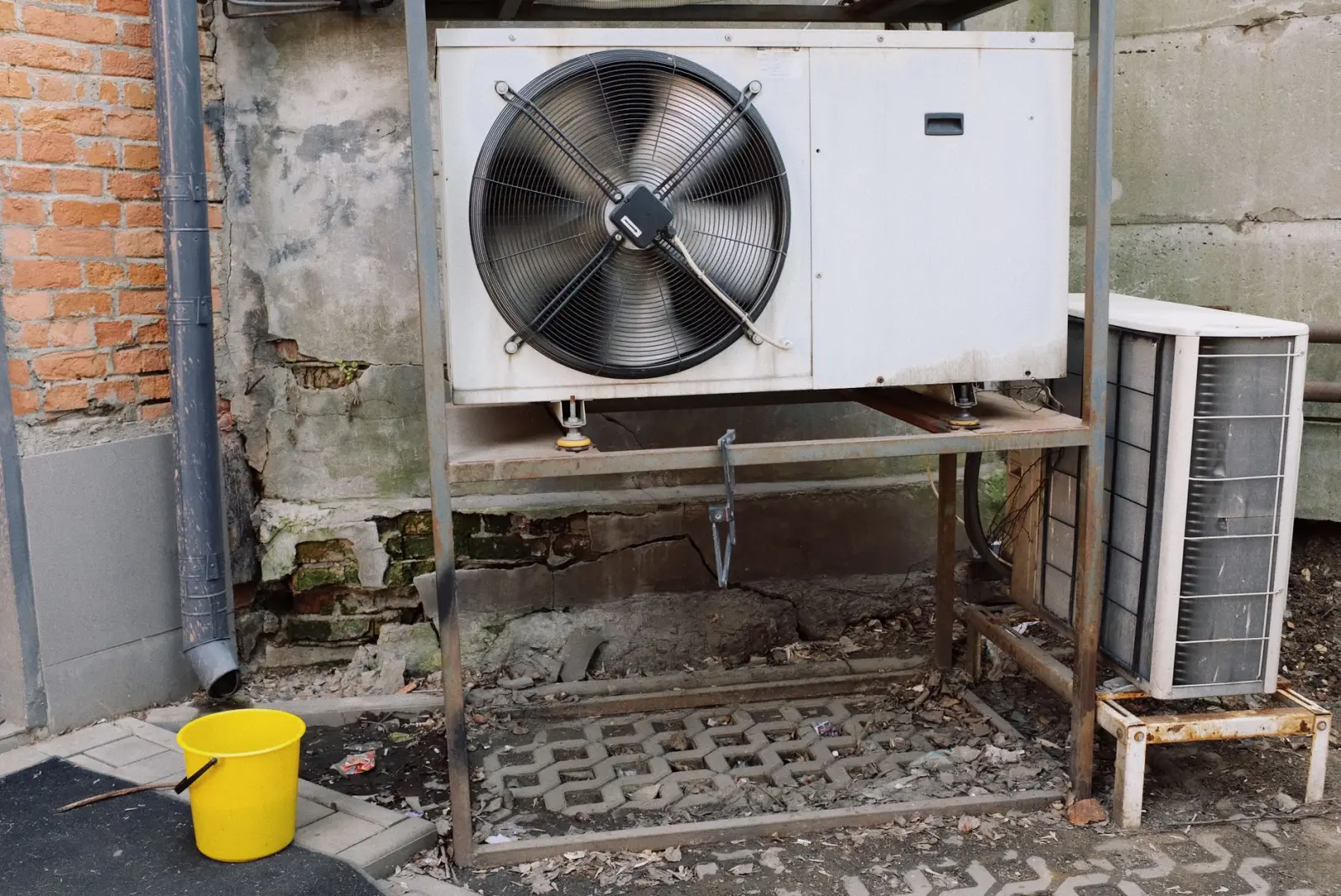
Split systems – indoor and outdoor units connected by refrigerant lines – have become increasingly popular in Australia, and for good reason. They avoid the ductwork problem entirely, which means no thermal losses in transit. They also allow zone control: you can cool the living areas without conditioning bedrooms you’re not using. In a large home, this flexibility can significantly reduce overall energy consumption.
The trade-off is that split systems require more wall space and visible indoor units. Some people find them aesthetically intrusive, though modern designs are less obtrusive than older models. Installation is also more involved than upgrading a central system, and the refrigerant lines need to be properly sized and insulated. I’ve seen poor installations where the lines were exposed to sun or routed inefficiently, which undermined the system’s efficiency advantage.
Multi-split systems, where one outdoor unit serves several indoor units, offer flexibility without requiring multiple outdoor units. They work well for homes that want zone control without the expense of multiple separate systems. The limitation is that they’re generally most efficient when all zones are running; if you’re only using one or two zones regularly, a single large split might be simpler and just as effective.
Inverter Technology and Variable Speed Compressors
Modern air conditioning and heat pump systems increasingly use inverter-driven compressors that adjust their speed based on demand. Rather than running full-speed or off, they modulate continuously. This is genuinely more efficient than older on-off systems because the compressor doesn’t waste energy ramping up and down, and it maintains more stable temperatures with less cycling.
The efficiency gain is real, but it’s not as dramatic as marketing suggests. An inverter system might reduce energy consumption by 20 to 30 percent compared to an older fixed-speed unit, but only if the rest of the system – insulation, ductwork, sealing – is already reasonably good. In a leaky, poorly insulated home, the efficiency advantage is smaller because the system still has to work hard to compensate for thermal losses.
Inverter systems also tend to be quieter and more reliable because they don’t experience the stress of constant full-speed operation. Over time, this translates to longer service life and fewer repairs. They’re worth the extra upfront cost, particularly if you’re installing a new system that will run for 10 or 15 years.
Maintenance and Real-World Efficiency
A system’s efficiency degrades over time if it’s not maintained. Dirty filters restrict airflow, which forces the system to work harder. Dust buildup on outdoor coils reduces heat transfer efficiency. Refrigerant leaks mean the system has to run longer to achieve the same cooling or heating. I’ve seen systems that were efficient when new but had drifted into poor performance over five or six years of neglect.
Regular maintenance – filter changes every few months, annual professional servicing – keeps efficiency stable. It’s not expensive, and it typically pays for itself through reduced energy bills. The challenge is that efficiency losses are gradual and invisible. A homeowner doesn’t wake up one morning and notice their system is suddenly less efficient; it happens incrementally, so they adjust to higher bills without realizing the cause.
Thermostats also affect real-world efficiency. A programmable or smart thermostat that adjusts temperatures based on occupancy patterns can reduce overall energy consumption noticeably. But I’ve seen smart thermostats installed in homes where people override them constantly or set them to maintain the same temperature 24/7, which negates any benefit. The technology only works if people actually use it as designed.
The reality of heating and cooling in Australian homes comes down to this: the most efficient system in the world will underperform in a poorly insulated, leaky house. Conversely, a modest system in a well-sealed, well-insulated home can deliver comfort and efficiency that seems to exceed its specifications. The equipment matters, but the building envelope matters more. Most homes would benefit more from investing in insulation and air-sealing than from upgrading to a premium heating and cooling system. That’s not what equipment suppliers want to hear, but it’s what I’ve observed repeatedly across different climates and home types.