
After working on homes across several Australian climates – from humid Brisbane summers to Melbourne’s temperature swings – I’ve noticed a clear pattern. Homeowners who invest in sustainable building materials don’t always do so for environmental reasons first. They do it because these materials tend to perform better under local conditions, cost less to maintain, and age more predictably than conventional alternatives. The environmental benefit follows naturally.
The Australian building environment is genuinely harsh. High UV exposure, salt air in coastal regions, termite pressure in the north, and moisture extremes everywhere create conditions that expose weak material choices quickly. Conventional materials often fail in ways that are expensive and disruptive to fix. Sustainable alternatives – when chosen thoughtfully – tend to handle these stresses without the same degradation cycle.
Why Material Performance Matters More Than Certification
I’ve seen homes where the builder selected “sustainable” materials based purely on marketing labels, only to watch them fail within five years. The certification meant nothing when the material couldn’t handle the actual climate. What matters is understanding how a material behaves under the specific conditions it will face.
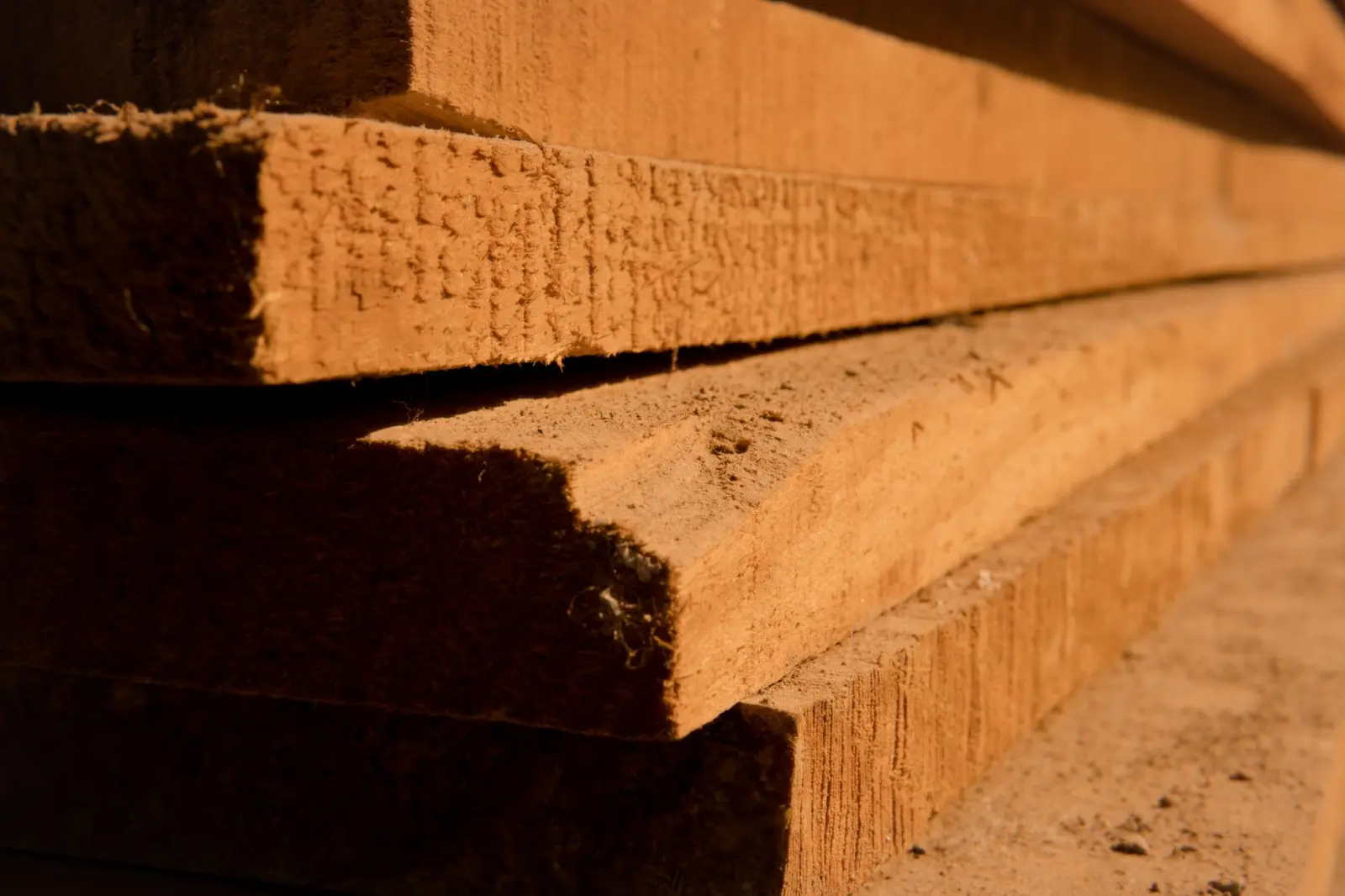
Reclaimed timber, for instance, performs exceptionally well in Australian homes when sourced correctly. Old-growth timber from demolished buildings has already gone through moisture cycling and stabilized. It resists warping far better than plantation timber of the same species. I’ve worked on renovations where reclaimed hardwood flooring installed thirty years ago showed less movement than new timber installed five years prior. The cost is higher upfront, but the stability and longevity justify it in climates with significant humidity variation.
Conversely, some “eco-friendly” composite materials marketed as low-maintenance have proven problematic in coastal environments. The resin binders can degrade under sustained UV exposure and salt spray faster than traditional timber or concrete. I’ve seen decking that was supposed to last twenty years show significant surface breakdown after eight. The material was technically sustainable in its manufacturing process, but it wasn’t durable in the application.
Thermal Mass and Regional Climate Fit
Rammed earth and compressed earth blocks perform remarkably well in inland and semi-arid regions. These materials have substantial thermal mass, which moderates temperature swings and reduces reliance on mechanical heating and cooling. In areas like parts of inland New South Wales or South Australia, homes built with rammed earth walls maintain more stable internal temperatures with minimal active climate control. The material breathes naturally, managing humidity without requiring vapor barriers that can trap moisture and cause problems later.
The catch is geography. In high-rainfall coastal areas, rammed earth requires careful design and maintenance. Water ingress is a real risk if the material isn’t properly protected and maintained. I’ve inspected homes where rammed earth walls developed soft spots from chronic moisture exposure because gutters weren’t maintained or the building design didn’t shed water effectively. The material itself is sustainable and performs well, but it demands respect for site conditions and ongoing care.
Concrete, when used with supplementary cementitious materials like fly ash or slag, becomes a more sustainable choice than conventional Portland cement alone. These additions reduce embodied carbon significantly. In Australian conditions, properly specified concrete – with adequate cover to reinforcement and appropriate air entrainment for freeze-thaw resistance – ages very well. I’ve seen concrete structures from the 1960s that required minimal intervention because they were specified correctly for their environment.
Insulation and Moisture Management
Natural fiber insulation materials like sheep’s wool and recycled cellulose have gained real traction in Australian homes over the past decade. What I’ve observed is that these materials work best when the building envelope design accounts for moisture movement. Sheep’s wool can absorb and release moisture without losing R-value, which is genuinely useful in climates with seasonal humidity variation. However, if the wall design traps moisture or creates conditions for condensation, the material’s hygroscopic properties become a liability rather than an asset.
The difference between success and failure often comes down to ventilation strategy. Homes with natural fiber insulation that incorporate passive ventilation paths and avoid vapor-impermeable barriers on both sides of the insulation layer perform well. Homes where natural fiber insulation was installed in a poorly ventilated cavity with plastic barriers on both sides tend to develop moisture issues. The material itself is sound; the system design determines whether it works.
Cork insulation is another example. It’s naturally antimicrobial, dimensionally stable, and performs well in moderate climates. But in high-humidity environments without proper air sealing and ventilation strategy, it can support mold growth if moisture accumulates. Again, the material is sustainable and has genuine performance advantages, but it requires thoughtful integration into the broader building system.
Finishes and Long-Term Weathering
Natural finishes – lime-based renders, natural oil treatments for timber, and mineral paints – are increasingly common in sustainable building. These materials perform differently than synthetic alternatives, and that difference is worth understanding before committing to them.
Lime render is genuinely durable in the right context. It’s more flexible than cement-based render, which means it accommodates minor structural movement without cracking. In older homes or those built on reactive clay soils where slight movement is inevitable, lime render ages better than rigid cement render. However, it requires maintenance. Lime render needs occasional recoating – not because it fails, but because it weathers visibly. Some homeowners find this acceptable; others expect their render to remain unchanged for decades. That’s a compatibility issue between material and expectation, not a material failure.
Natural oil finishes on timber require more frequent reapplication than polyurethane coatings. In high-UV environments, you’re looking at recoating every two to three years rather than every five to seven. But the timber underneath remains healthier because the finish allows the wood to move and breathe. I’ve inspected timber that was sealed with polyurethane decades ago and found significant moisture damage underneath, while nearby timber finished with natural oil showed minimal degradation despite more frequent maintenance.
Real-World Integration and Maintenance Expectations
The homes I’ve seen succeed with sustainable materials are those where the owner understands what the material requires. This isn’t about materials being “high-maintenance” in an absolute sense. It’s about matching material properties to the homeowner’s willingness and capacity to maintain them.
A home with rammed earth walls, natural fiber insulation, and lime render is genuinely sustainable and performs well – but it requires an owner who will maintain gutters diligently, monitor for any signs of moisture, and accept that finishes will weather visibly over time. A home with conventional materials might require less active maintenance but will eventually need replacement of components that degrade more rapidly under Australian conditions.
The economic case for sustainable materials strengthens when you factor in lifecycle costs rather than just upfront expense. A timber floor made from reclaimed hardwood costs more initially but might outlast two or three installations of conventional timber. Rammed earth walls require careful initial design and maintenance but don’t require replacement. Natural fiber insulation costs slightly more but avoids the embodied carbon of conventional fiberglass or polyurethane, and it performs adequately for decades if the building envelope is designed properly.
What I’ve consistently observed is that sustainable materials work best when they’re chosen for performance fit rather than environmental credentials alone. The homes that age well are those where the material selection reflects genuine understanding of local climate, building science, and realistic maintenance capacity. The environmental benefits – reduced embodied carbon, lower operational energy use, minimal waste at end of life – follow naturally from that thoughtful selection process.