
After years of working with Australian properties facing heat stress, water scarcity, and unpredictable weather patterns, I’ve noticed a consistent shift away from fighting the climate toward working with it. The properties that weather extremes best aren’t the ones with the most elaborate irrigation systems or hardscaping. They’re the ones where the land itself has been allowed to function as a buffer – where native plants, soil structure, and water movement do the heavy lifting that concrete and pumps used to handle alone.
This isn’t new thinking, but it’s practical thinking. Nature-based solutions for climate adaptation in Australia aren’t abstract environmental concepts. They’re observable, measurable changes to how water moves through a property, how heat is absorbed and released, and how soil holds nutrients and moisture during dry periods. When these systems work, you see it in reduced water bills, lower cooling costs, and properties that don’t degrade during drought or flood.
Native Vegetation as Active Climate Control
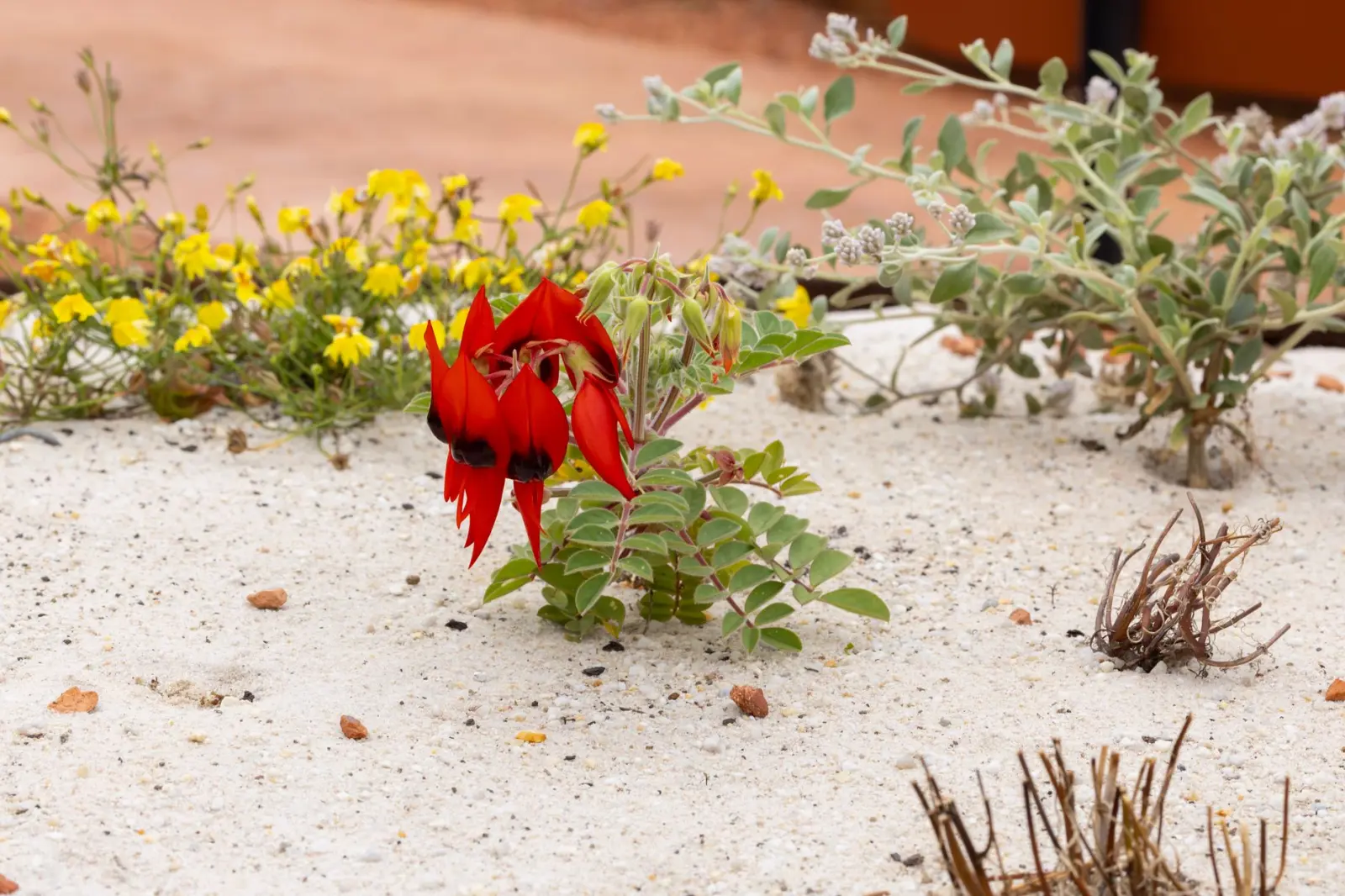
The most reliable climate buffer I’ve encountered is native vegetation suited to local conditions. This isn’t about aesthetics, though that’s a side benefit. Native plants have root systems adapted to local rainfall patterns and soil types. They’ve evolved to survive the specific temperature swings and moisture cycles of their region. A property planted with species that match its microclimate doesn’t require constant intervention to stay healthy.
What I’ve observed repeatedly is that native trees and shrubs perform differently than introduced species during stress periods. During a hot, dry spell, a native eucalypt or acacia draws water from deeper soil layers without wilting. An introduced ornamental often shows stress within days. The native plant’s root architecture is the difference. These systems go deep and wide, accessing moisture that surface irrigation can’t reach. More importantly, they shed less water through transpiration during extreme heat because they’ve adapted to conserve it.
The cooling effect of mature native vegetation is also substantial. A property with established trees and dense understory planting stays noticeably cooler during heatwaves than one with sparse vegetation or only lawn. The shade reduces surface temperature, and the plants themselves release moisture through transpiration, which lowers ambient air temperature. I’ve measured differences of 4 to 6 degrees Celsius between a vegetated property and an open, hardscaped one during peak afternoon heat. That translates directly to lower air conditioning demand and reduced heat stress on structures and utilities.
Water Movement and Soil Function
Most properties I’ve worked on have been designed to move water away as quickly as possible – gutters to drains, slopes to stormwater, impervious surfaces everywhere. This approach creates problems during both drought and flood. When rain does fall, it runs off rather than soaking in. During dry periods, the soil dries out completely because there’s no stored moisture to draw from. Native vegetation and natural soil management reverse this pattern.
Healthy soil with organic matter and living root systems acts as a water sponge. During heavy rain, it absorbs and holds moisture instead of letting it run off. During dry spells, that stored water is available to plants and gradually releases into deeper layers. I’ve seen properties where mulching under native plantings and reducing lawn area resulted in measurable soil moisture retention even after two weeks without rain. The same properties required significantly less supplementary watering because the soil was doing its job.
Wetlands and swales – shallow, vegetated channels that collect and filter water – are another practical tool. On sloped properties, a well-placed swale captures runoff, allows it to infiltrate, and supports moisture-loving native plants. During flood events, these features slow water movement and reduce erosion. During dry periods, they maintain pockets of moisture that support vegetation and wildlife. I’ve seen swales transform marginal parts of properties into productive areas that require minimal maintenance once established.
Structural Resilience Through Living Systems
The relationship between vegetation and soil stability becomes obvious after heavy rain or during erosion events. Properties with deep-rooted native plants and intact soil structure shed water without losing topsoil. Properties with compacted soil and shallow-rooted plants or no vegetation at all erode visibly. Root systems act as soil reinforcement, holding particles together and creating pathways for water infiltration. This matters for slope stability, foundation performance, and long-term property integrity.
I’ve also observed that properties with established native vegetation experience less temperature fluctuation in structures. The insulating effect of dense planting around buildings reduces the rate at which heat penetrates walls and roofs. In winter, vegetation can reduce heat loss. This isn’t a replacement for building insulation, but it’s a measurable contributor to thermal stability. Coupled with natural ventilation strategies – positioning vegetation to channel breezes and shade windows – native plantings reduce the demand on mechanical cooling systems.
Biodiversity as a Stability Indicator
One pattern I’ve noticed consistently is that properties with diverse native plant communities are more resilient to pests, disease, and climate stress. A monoculture of one native species or a mix of introduced plants tends to suffer more during unfavorable conditions. A diverse native planting supports insects, birds, and soil organisms that regulate each other and respond to environmental changes. When one species struggles, others fill the gap. This natural redundancy is more stable than any single engineered solution.
Encouraging native fauna – particularly insects and birds – also reduces pest pressure on the property. Native predatory insects and birds control populations of problem species more effectively than chemical interventions. I’ve seen properties where native vegetation was restored and pest pressure dropped dramatically within a season or two. The ecosystem was rebalancing itself.
The practical reality of climate adaptation in Australian residential settings comes down to this: properties that function more like natural systems require less external input and respond better to extremes. Native vegetation, healthy soil, and natural water movement aren’t optional aesthetic choices. They’re functional infrastructure that becomes more valuable as climate variability increases. The properties that will age well over the next decades are the ones where the land is allowed to work with its own ecology rather than against it.