
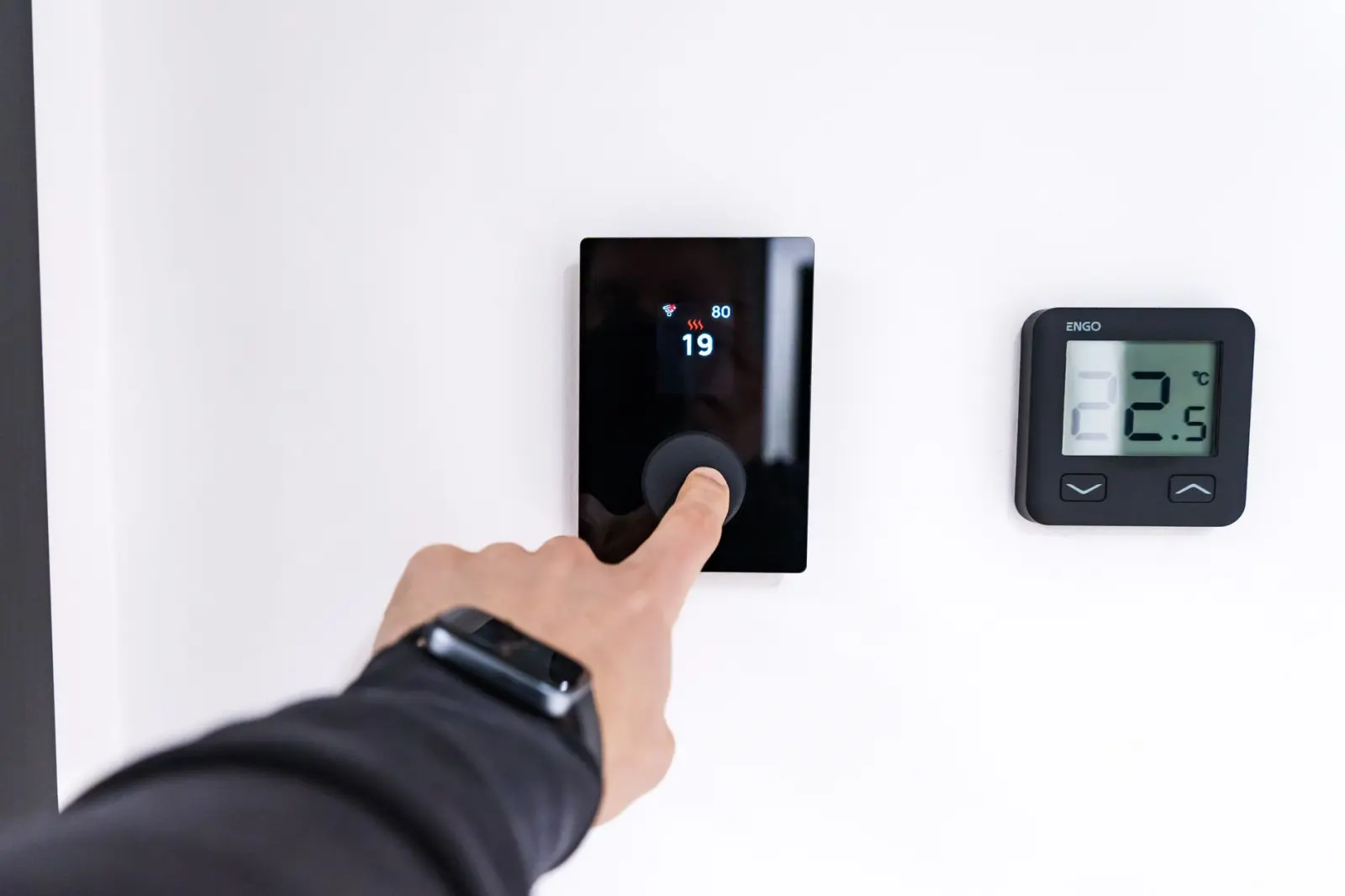
After years of installing and troubleshooting smart thermostats across dozens of homes, I’ve learned that the gap between what these devices promise and what they actually deliver depends almost entirely on how your home is built and how you live in it. A smart thermostat isn’t magic. It’s a tool that works best when you understand its real constraints and strengths.
The fundamental appeal is straightforward: these devices learn your schedule, adjust temperatures automatically, and let you control your heating and cooling from your phone. In practice, that automation only works if your home’s thermal behavior is predictable. A well-insulated, tightly sealed house with consistent occupancy patterns will see measurable savings. A drafty older home with irregular schedules often sees minimal benefit, despite the thermostat’s best efforts.
The learning algorithms in most smart thermostats are decent, but they’re not particularly sophisticated. They track when you’re home, when you leave, and what temperature you prefer during those periods. Over a few weeks, the device builds a simple schedule and begins pre-heating or pre-cooling before you arrive. This works. It saves energy. But it’s not revolutionary – a programmable thermostat from fifteen years ago could do much the same thing, minus the remote access.
Where Smart Thermostats Actually Save Energy
The real savings come from three specific behaviors. First, they eliminate the habit of leaving your system running when no one is home. Many people set a thermostat and forget about it, heating or cooling an empty house all day. A smart thermostat with occupancy detection or a simple phone-based schedule stops that waste immediately. Second, they allow you to respond to unexpected schedule changes without wasting an entire day of conditioning. If you leave work early, you can adjust your home’s temperature before you arrive. Third, they provide visibility into your energy use. Seeing that your heating runs for six hours every morning creates awareness that sometimes leads to better habits – closing doors to unused rooms, adjusting clothing layers, or accepting a slightly wider temperature range.
These savings are real but often modest. Studies consistently show energy reductions of 10 to 15 percent for heating and cooling, with some homes seeing nothing at all. The variation depends on climate, insulation quality, system efficiency, and how aggressively you were already managing temperature before. A homeowner in a mild climate who already kept their thermostat at 68 degrees year-round won’t see much change. Someone in a cold climate who previously heated their entire house to 72 degrees while at work will see a noticeable drop in their heating bill.
The Integration Problem
Where things get complicated is integration with the rest of your home. Most smart thermostats work fine as standalone devices, but the moment you start connecting them to other systems – smart vents, whole-home humidifiers, heat recovery ventilation, or zone control dampers – you enter territory where installation quality and system design matter far more than the thermostat itself.
I’ve seen setups where a smart thermostat is paired with motorized dampers that control airflow to different rooms. In theory, this allows you to heat only the rooms you’re using and save energy. In practice, if those dampers aren’t installed correctly or if the ductwork doesn’t support zone control, the system either doesn’t work at all or creates pressure imbalances that reduce overall system efficiency. The thermostat can’t fix bad ductwork or poor damper placement.
Similarly, pairing a smart thermostat with a whole-home humidifier sounds sensible – the system can adjust humidity based on temperature and outdoor conditions. But if the humidifier isn’t properly sized or if your home has air leaks, the thermostat’s humidity adjustments become almost meaningless. The device follows its logic, but the house doesn’t respond as expected.
Installation and Setup Reality
The installation itself is usually straightforward for standard heating and cooling systems. Most smart thermostats work with conventional furnaces, heat pumps, and air conditioners. But older homes with unusual wiring, multi-stage systems, or auxiliary heating elements sometimes present challenges. I’ve encountered homes where the existing thermostat wiring was so degraded that the smart thermostat couldn’t reliably communicate with the HVAC system. Replacing the thermostat meant replacing the wiring too.
Setup is where many people stumble. The thermostat needs to know what type of system it’s controlling – gas furnace, electric heat pump, radiant heating, or something else. It needs to know whether your system has a humidifier, a dehumidifier, or ventilation equipment. If any of this is configured wrong, the thermostat will make decisions that don’t match your actual equipment. I’ve seen thermostats set to cooling mode in winter or refusing to heat because the configuration was incorrect.
The WiFi connection is another common source of frustration. Smart thermostats need a stable connection to your home network to provide remote access and cloud-based features. If your WiFi signal is weak near the thermostat location, the device may disconnect and reconnect repeatedly, draining battery backup power and causing the system to revert to basic operation. Some homes simply don’t have good WiFi coverage in the right places, and that’s a limitation of the house, not the thermostat.
What Doesn’t Work as Advertised
The “learning” feature is often oversold. These thermostats don’t actually learn your preferences in any sophisticated way. They track when you adjust the temperature and try to anticipate your next adjustment. But if your schedule changes – which it does for most people – the learning resets. A thermostat that learned your winter schedule won’t help much when you change your routine in spring. The device adapts, but slowly, and it can’t predict genuine anomalies. If you work from home one day a week, the thermostat will eventually figure that out, but it might take months.
Geofencing – the feature that adjusts your temperature based on your phone’s location – sounds elegant but often disappoints. The system needs to know when you’ve left home and when you’re returning. In practice, geofencing can be unreliable. Your phone might lose signal, or you might leave your phone at home while you leave the house. The thermostat then makes incorrect decisions. Many people disable geofencing after a few weeks and return to a simple schedule.
Energy reports and detailed usage analytics are another area where expectations exceed reality. Most smart thermostats can tell you how many hours your heating or cooling ran on a given day, but they can’t tell you exactly how much energy you used or what that energy cost. They lack the granular data that a true energy monitoring system would provide. The reports are useful for spotting trends – “my heating ran longer than usual this week” – but they’re not detailed enough for serious energy analysis.
The Bigger Picture: Energy Management Systems
Beyond the thermostat itself, true home energy management involves understanding your overall consumption patterns. Some systems integrate the thermostat with real-time electricity monitoring, solar production data, and utility pricing information. These setups can optimize when you run high-energy appliances based on time-of-use rates or solar availability. But this level of integration requires additional equipment, proper installation, and ongoing maintenance. It’s not something a thermostat alone can provide.
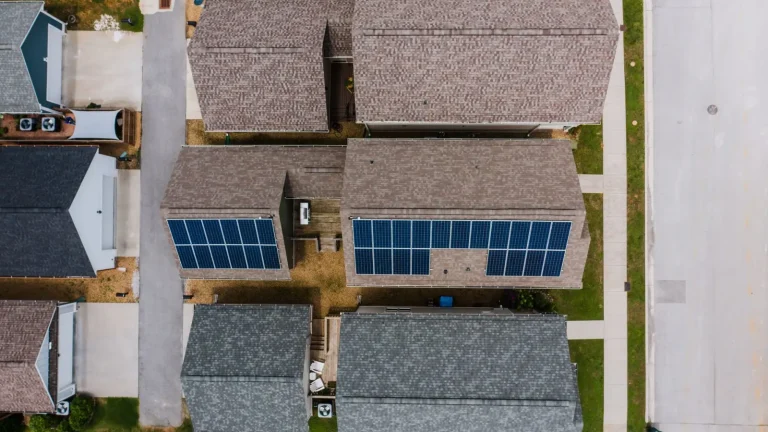
In homes with solar panels, a smart thermostat paired with energy monitoring can shift heating or cooling loads to times when solar production is high, reducing grid consumption. This works, and it can be meaningful in the right situation. But it requires that your HVAC system is flexible enough to shift loads – some systems, particularly heat pumps in very cold climates, need to run on a fixed schedule to maintain efficiency.
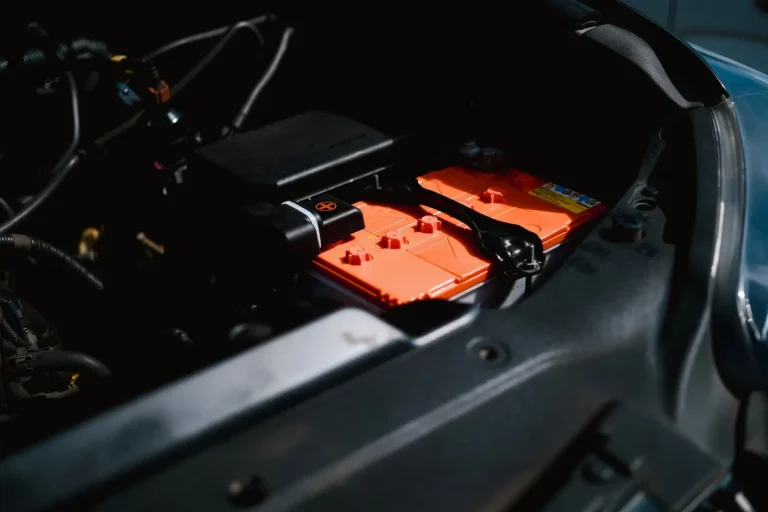
Battery backup systems, smart panels, and demand response programs add another layer. A home with a battery system and a smart thermostat can theoretically reduce peak demand and shift energy use to off-peak hours. The thermostat becomes one piece of a larger optimization puzzle. But again, this only works if all the components are properly installed and configured, and if your utility supports the necessary programs.
Maintenance and Long-Term Performance
Smart thermostats are relatively maintenance-free, but they do need occasional attention. The screen can get dusty, which affects responsiveness. The WiFi connection should be checked periodically if remote access stops working. Battery backup – present in most models – typically lasts several years but eventually needs replacement. I’ve seen thermostats fail not because of the smart features, but because the battery died and no one replaced it, leaving the system unable to function during a power outage.
Over time, the software updates that manufacturers push to these devices can change how they behave. A thermostat that worked well for two years might start making different decisions after a firmware update. Sometimes these updates improve performance; sometimes they introduce quirks. You don’t have much control over this, and it’s worth acknowledging that you’re relying on the manufacturer to maintain the device indefinitely.
The practical reality is that a smart thermostat is a solid investment if you have a modern, well-maintained HVAC system and a reasonably well-sealed home. It will save you energy, give you convenience, and provide useful information about your heating and cooling patterns. But it won’t transform an inefficient system into an efficient one, and it won’t solve problems that stem from poor insulation, air leaks, or undersized equipment. The thermostat is a tool that works best when the foundation is already sound.