
After years of working on residential properties across different Australian climates, I’ve watched the economics of climate action shift from theoretical discussion to concrete reality in how homes are built, maintained, and valued. The cost of inaction has become visible in rising insurance premiums, water restrictions, and the accelerating deterioration of older properties in high-risk zones. At the same time, the cost of action – retrofitting homes, upgrading drainage, installing renewable energy – has become a genuine line item in household budgets and property investment decisions.
The tension isn’t abstract. A homeowner in inland New South Wales faces different climate pressures than someone in coastal Victoria, yet both are making decisions about whether to invest in resilience now or absorb costs later. What I’ve observed is that the economics of climate action in Australia doesn’t follow a simple cost-benefit calculation. It’s entangled with property location, existing infrastructure age, regional water availability, and increasingly, insurance availability itself.
The Insurance and Property Value Shift
Insurance is where the economics of climate action become impossible to ignore. Over the past five years, I’ve seen premiums rise sharply for properties in flood-prone areas, and in some cases, insurers simply won’t cover certain risks anymore. A home that was considered standard risk ten years ago might now be uninsurable for flood or fire without significant mitigation work. This creates an immediate economic pressure that bypasses any debate about climate science. If you can’t get insurance, or the premium becomes unaffordable, the property’s utility changes overnight.
Property values themselves are beginning to reflect this. Coastal properties that once commanded premiums are stalling or declining in some markets, while inland properties with reliable water access and lower fire risk are holding value better. This isn’t uniform – a well-maintained home in a desirable suburb near the coast still sells, but the margin of buyer interest has narrowed. Properties that require visible climate mitigation work – new guttering for increased rainfall, reinforced roofing, fire-resistant landscaping – now carry an implicit discount until that work is done.
Residential Retrofit Costs and Timing
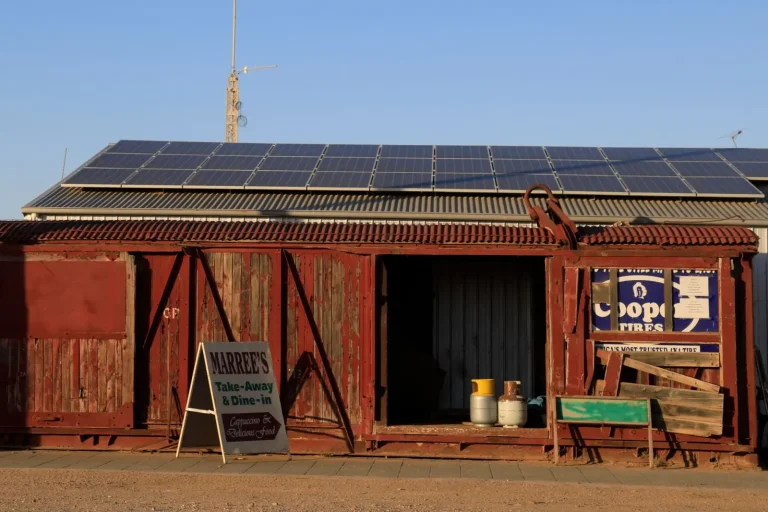
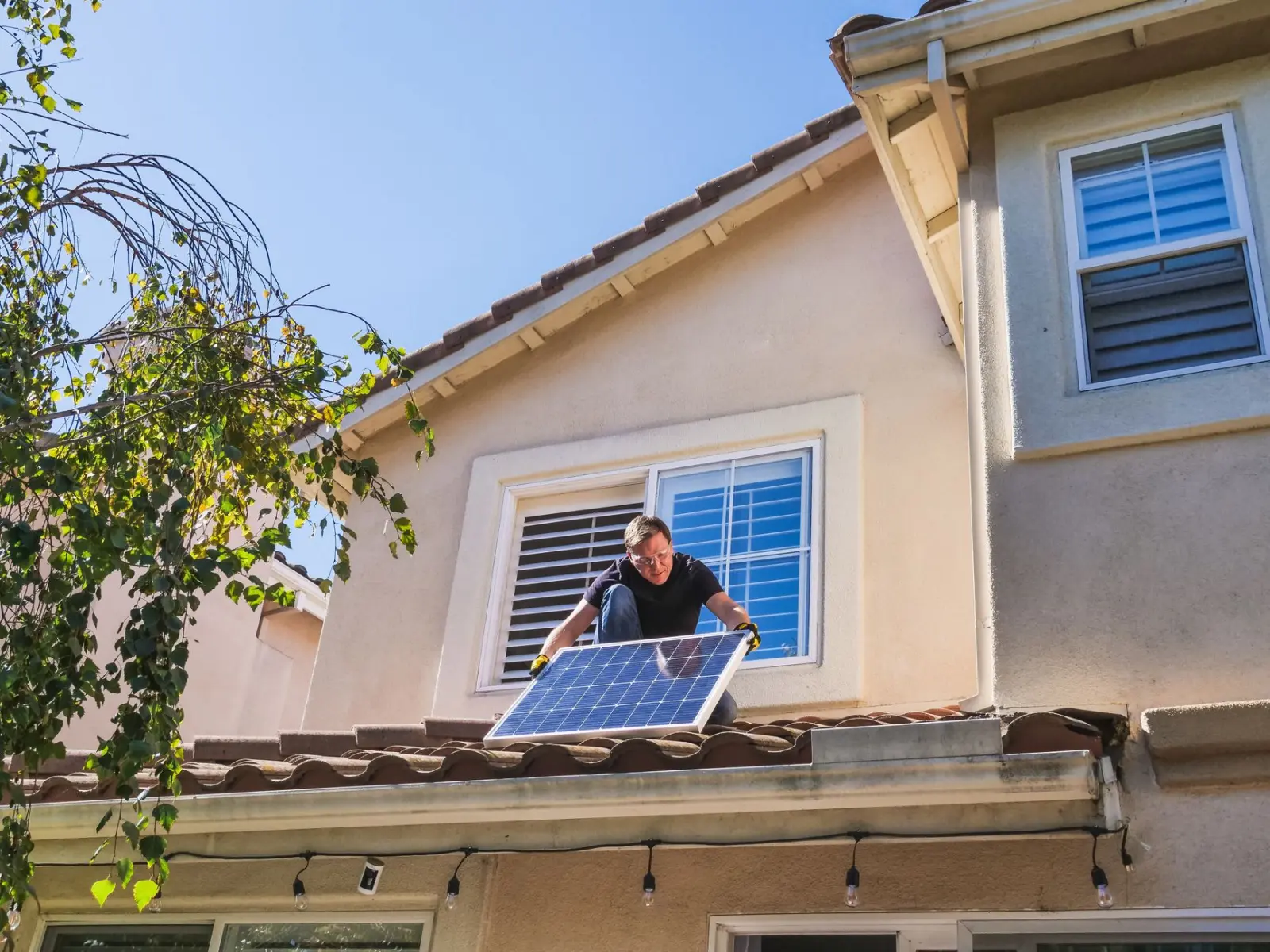
Retrofitting an existing home for climate resilience is expensive, and the timing matters. Installing solar panels, upgrading insulation, improving drainage, or installing a rainwater tank system requires upfront capital that many households don’t have available. The economics become clearer when you frame it as a choice between paying now or paying more later through higher utility bills, water costs, or emergency repairs.
I’ve noticed that homeowners who retrofit early tend to do it in phases. They might start with solar and battery storage because those systems have clearer payback periods through reduced electricity bills. Drainage improvements and water tanks come later, often after a flooding or water restriction event forces the issue. The problem with this staged approach is that it’s less efficient than planning comprehensively. A home designed all at once for water retention, thermal efficiency, and energy generation costs less per unit of resilience than retrofitting piecemeal over a decade.
The payback period for climate-related home improvements varies wildly by region. In areas with high electricity costs and reliable sunlight, solar pays for itself in 5 – 7 years. In cooler regions with lower bills, the timeline stretches to 10 – 12 years or longer. Water tanks are harder to justify on economics alone in areas with reliable mains supply, but their value becomes obvious during drought or water restrictions. This regional variation means there’s no single economic case for climate action in Australian homes – it’s specific to location, existing infrastructure, and household consumption patterns.
Infrastructure Costs and Public Economics
Beyond individual properties, the broader infrastructure economics are shifting. Local councils are spending heavily on drainage upgrades, flood mitigation, and fire management in ways that weren’t budgeted five years ago. These costs eventually flow back to ratepayers. A suburb that experiences significant flooding might see rates rise to fund improved stormwater management. A region prone to bushfire might require more frequent hazard reduction and emergency services capacity.
Water infrastructure is another layer. In drier regions, councils are investing in recycled water systems, stormwater harvesting, and water-efficient reticulation. These are expensive upfront but reduce the long-term cost of water supply and the risk of restrictions that damage property values and household budgets. The economics of these public investments are often justified over 20 – 30 year timescales, which means current ratepayers fund infrastructure that protects future property values and livability.
The Cost of Delayed Action
What I’ve observed most clearly is that the cost of inaction compounds faster than the cost of action. A home that experiences water damage from poor drainage doesn’t just need repairs – it often needs remediation that costs significantly more than installing proper drainage would have. Structural damage from repeated wetting and drying, mold remediation, and potential health issues create costs that dwarf the original prevention investment.
Similarly, properties in high-fire-risk zones that don’t undertake defensible space work face not just the risk of loss but the certainty of rising insurance costs and eventual uninsurability. A homeowner might spend $5,000 – $15,000 on fire-resistant landscaping and property hardening, or face $2,000+ annual insurance premiums or cancellation. The economics become clear quickly once you add up the cumulative cost of inaction over a decade.
Energy costs follow the same pattern. A home with poor insulation and no solar will see electricity bills rise with grid costs and carbon pricing mechanisms. The cumulative cost of 20 years of rising bills often exceeds the cost of insulation and solar installation, yet the upfront barrier prevents many households from making the switch. This is where the economics of climate action intersect with household cash flow and access to finance.
Regional Variation and Economic Disparity
The economics of climate action in Australia are deeply unequal across regions and income levels. Wealthy coastal suburbs can afford to retrofit, elevate homes, or relocate entirely. Low-income households in inland areas with aging rental stock have no such flexibility. This creates a situation where climate resilience becomes a luxury good, and renters and lower-income homeowners bear disproportionate risk.
In regional areas, the economics shift again. A farmer facing water scarcity needs to invest in irrigation efficiency, rainwater harvesting, or alternative water sources. The payback period depends on commodity prices and rainfall patterns that are increasingly unpredictable. Rural properties also tend to be larger and more expensive to retrofit, with fewer economies of scale than suburban homes.
What this means in practice is that climate action economics in Australia can’t be separated from existing inequality. Policies that subsidize solar installation or water tank rebates help, but they don’t close the gap between households that can afford resilience and those that can’t. This is becoming a property market issue – areas with lower-income households and older housing stock are becoming higher-risk for both residents and investors, which further concentrates disadvantage.
The economics of climate action in Australian homes and infrastructure are no longer theoretical. They’re embedded in insurance premiums, property values, utility bills, and household budgets. The question isn’t whether climate action has economic costs – it does. The question is whether those costs are paid now through deliberate investment or later through emergency repairs, rising insurance, property devaluation, and forced relocation. In my experience, the homes and properties that weather the transition most successfully are those where the economics of action were understood early enough to plan and phase investments strategically.