
After years of watching homes move through the resale market, I’ve noticed a clear pattern in what buyers respond to and what sits ignored. It’s not always what homeowners expect. The gap between what feels important during a renovation and what actually registers with a buyer walking through the door can be surprisingly wide. Some upgrades feel transformative to the person living there but barely register on a purchase decision. Others seem modest until you see how consistently they influence offers and closing timelines.
The disconnect usually comes down to perception versus practical value. A buyer stepping into a home isn’t evaluating your personal comfort or the craftsmanship you invested in. They’re assessing whether the space meets their immediate needs, whether it appears well-maintained, and whether they can envision themselves there without major work ahead. That mental calculation happens fast, often in the first thirty seconds of walking through a room.
Kitchen and Bathroom Updates Stand Apart
If there’s one consistent observation across every market cycle I’ve worked through, it’s this: kitchens and bathrooms move properties. Not because buyers are necessarily cooking elaborate meals or spending hours grooming, but because these spaces signal the overall condition and care level of the entire home. A dated kitchen reads as deferred maintenance everywhere else. A modern bathroom suggests the owner stayed on top of things.
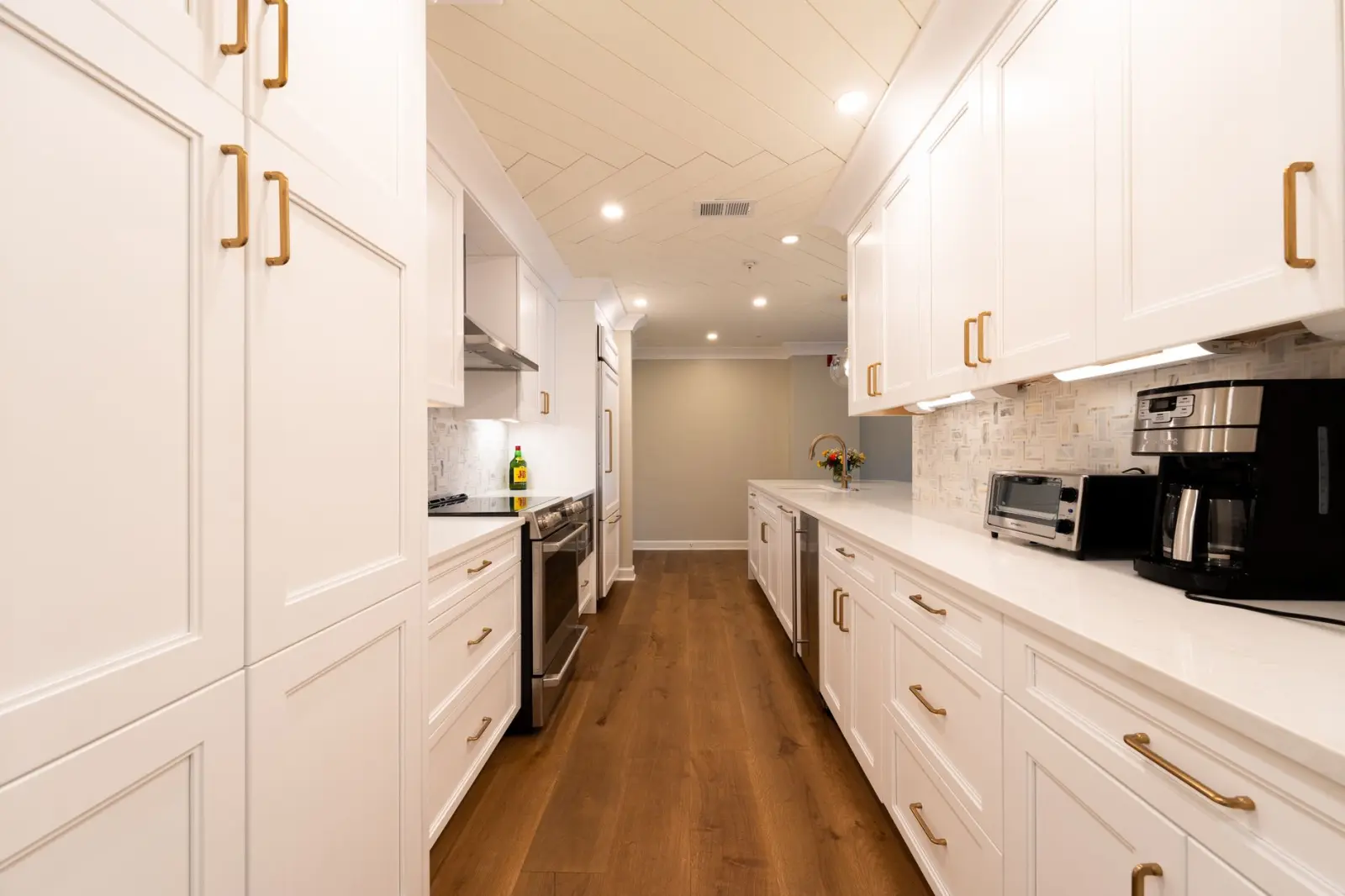
The kitchen renovation doesn’t need to be high-end or trendy. Buyers are looking for functionality and cleanliness. Updated cabinetry, fresh countertops, and working appliances matter far more than whether you chose the latest design aesthetic. I’ve seen modest kitchen updates – new cabinet doors, new counters, fresh paint – generate significantly more interest than elaborate remodels in homes where the bones were already solid. The return tends to be stronger on mid-range work than on luxury finishes that appeal to a narrow buyer pool.
Bathrooms operate similarly but with a tighter margin for error. A bathroom that looks tired or smells stale can kill a sale faster than almost anything else. Conversely, a clean, updated bathroom with functioning fixtures and modern lighting creates disproportionate confidence in the buyer’s mind. Full bathroom renovations aren’t always necessary. A refresh – new vanity, updated tile, better lighting, fresh caulk – often accomplishes the goal without the cost of a complete gut renovation.
Curb Appeal and Entry Conditions
The first impression happens before anyone steps inside. A sagging porch, cracked driveway, or overgrown landscaping doesn’t just look neglected – it raises questions about what’s hiding inside. I’ve watched buyers turn around in driveways based on exterior condition alone, never making it past the front door.
Front door condition matters more than most homeowners realize. A solid, well-finished entry door with updated hardware and fresh paint around the frame sets a completely different tone than a weathered one. Landscaping doesn’t need to be elaborate. Clean, maintained beds, healthy plantings, and a mowed lawn do the work. Driveway cracks and stains get noticed. A fresh seal coat or power washing costs far less than buyers assume and creates visible improvement in minutes.
Exterior paint, if needed, is one of the highest-return improvements I’ve seen. A home that looks fresh and well-maintained from the street attracts more showings and generates more serious interest. The interior quality matters, but buyers are already predisposed to see it positively if the exterior hasn’t raised red flags.
Flooring and Interior Finishes
Flooring sits in an interesting middle ground. Worn carpet or damaged hardwood creates an immediate negative impression, but replacing it isn’t always the highest-return investment. I’ve seen homes sell quickly with original hardwood floors that needed refinishing, simply because the bones were good and the price reflected the condition. Conversely, new carpet in a home with other deferred maintenance items doesn’t move the needle much.
Where flooring does matter significantly is in high-traffic areas and kitchens. Dated or damaged flooring in these spaces reads as poor maintenance and can slow a sale. Updated flooring here, combined with kitchen or bathroom work, creates a cohesive sense of a well-maintained home. The material choice matters less than the condition and appropriateness for the space.
Interior paint is another category where effort-to-impact ratio is favorable. Neutral, fresh paint throughout a home costs relatively little compared to its effect on buyer perception. Dated wall colors or heavy personalization can make spaces feel smaller or less appealing. A fresh coat of neutral paint in every room, combined with clean walls and trim, makes a measurable difference in how a home photographs and how it feels during showings.
Systems and Hidden Infrastructure
Buyers don’t see electrical panels, plumbing lines, or HVAC systems during a showing, but they absolutely feel their effects. A home that’s warm in winter, cool in summer, and has adequate electrical capacity registers as well-maintained. A home with inconsistent temperatures or outlets that don’t work creates anxiety about hidden costs.
Roof condition is one of those invisible-until-it-matters items. A roof that’s nearing the end of its life doesn’t show up as a visual problem until an inspector’s report flags it. At that point, it becomes a negotiation point or a deal-killer. Replacing or significantly repairing a roof before listing removes a major contingency point and eliminates one of the largest potential buyer concerns. The investment is substantial, but it also removes uncertainty from the transaction.
HVAC systems, plumbing, and electrical work are less visible but heavily weighted in inspection reports. Systems that are aging but functional often don’t justify replacement before sale, but systems showing clear signs of failure or inadequacy will cost you in negotiations or lost offers. The practical reality is that most buyers factor in some system replacement costs, but they’re more comfortable with that when other visible elements of the home appear well-maintained.
What Doesn’t Move the Needle
Specialty renovations and highly personal design choices often don’t return their investment. A finished basement or elaborate deck appeals to the person who built it but may not resonate with the next owner. These spaces are valued, but usually at a lower rate than the cost to create them. I’ve seen expensive outdoor kitchens, elaborate landscape features, and custom built-ins that buyers simply don’t prioritize in their decision-making.
Trendy finishes also tend to age poorly in resale value. What feels current during renovation can look dated within five years. Neutral, quality finishes that don’t scream a particular moment in time tend to hold value better and appeal to a broader buyer pool.
The homes that move fastest and for the strongest prices aren’t necessarily the ones with the most impressive individual features. They’re the ones where basic maintenance is evident, key systems are functional, and the space is clean and neutral enough for buyers to imagine their own lives there. Strategic improvements in kitchens, bathrooms, and curb appeal, combined with attention to visible systems and overall condition, create the conditions where buyers feel confident making an offer. That confidence, more than any single luxury feature, is what actually moves properties.