
Australia’s energy transition isn’t abstract policy anymore. It’s reshaping how money moves through the economy, where jobs are being created, and which regions are pulling ahead. After years of watching this unfold – from grid upgrades to manufacturing investments to workforce retraining – the pattern is becoming clearer: this transition is neither a simple cost nor a simple gain. It’s a fundamental restructuring.
The shift away from coal and toward renewables is happening faster than most people expected, and that speed creates both opportunities and friction. Renewable energy projects require different infrastructure, different skills, and different capital flows than traditional power generation. That mismatch between old and new systems is where real economic impacts show up.
Where Growth is Actually Happening
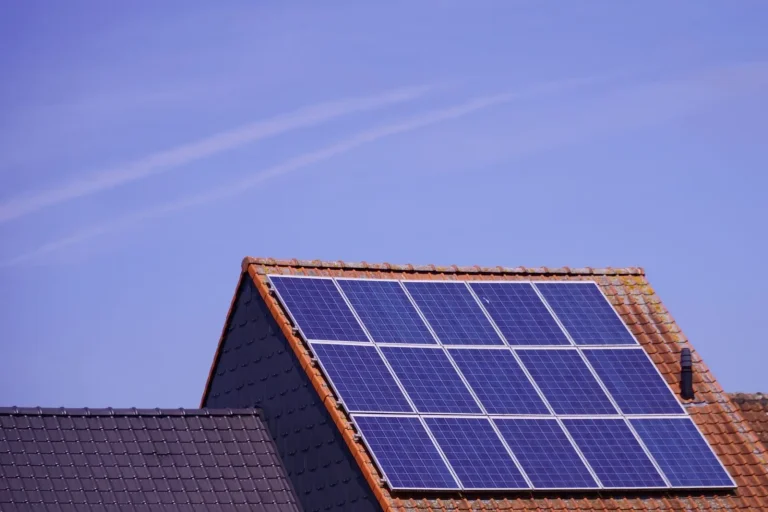
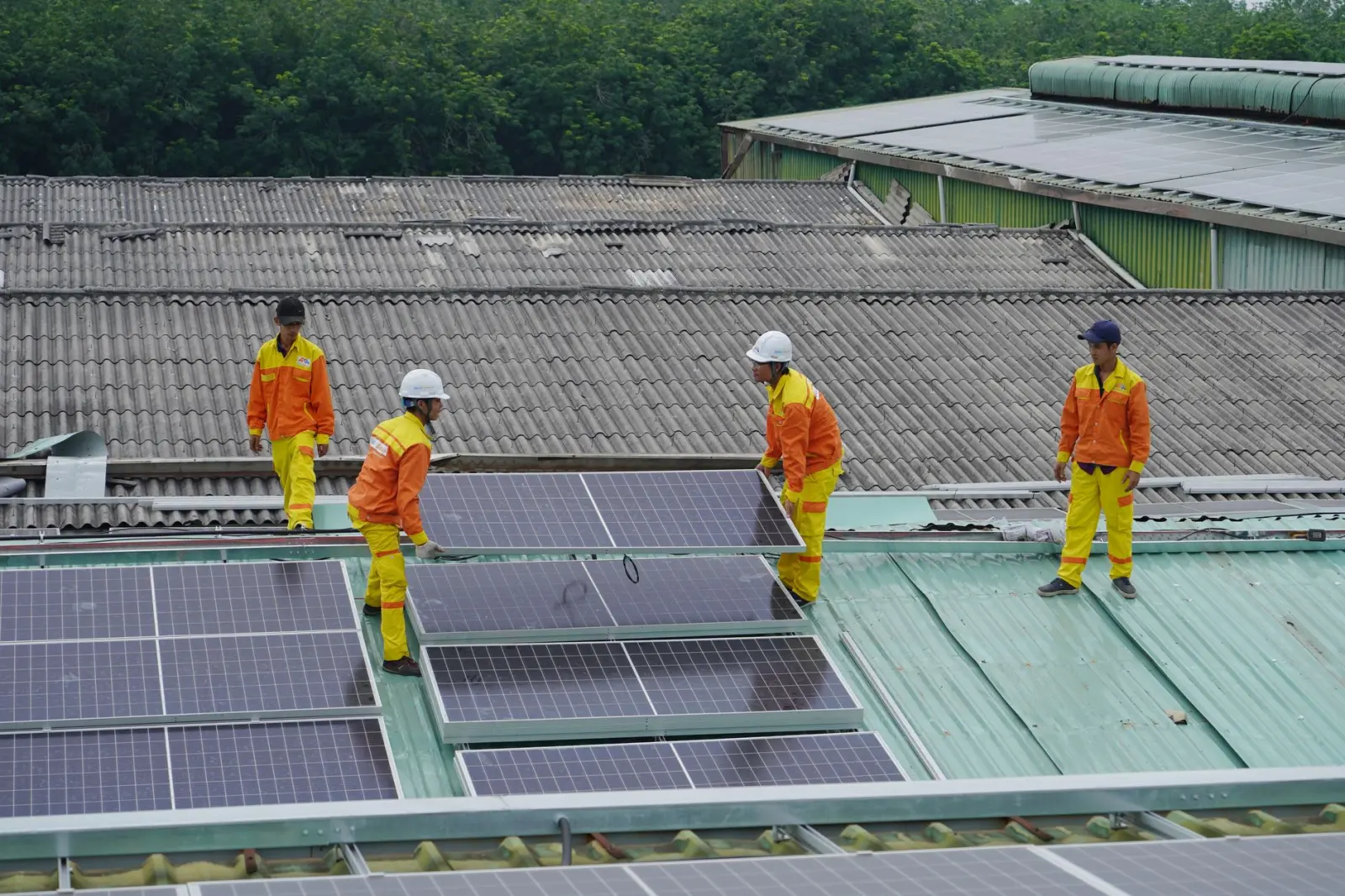
Manufacturing and installation of renewable equipment has become a genuine economic driver in regions that adapted early. Solar panel installation, wind turbine assembly, battery storage systems, and grid modernization work can’t be outsourced. Someone has to show up on-site, and that means local employment in areas that previously relied entirely on coal mining or coal-fired power stations.
The numbers matter less than the stability. A solar installation crew in regional Queensland or a battery factory in Victoria creates sustained employment that doesn’t depend on commodity prices. That’s different from coal mining, where boom-and-bust cycles have always been the reality. I’ve seen towns that were bracing for permanent decline suddenly attract skilled trades workers and small contractors. It doesn’t replace every lost coal job, but it does create a different economic foundation.
Grid modernization is another significant area. Australia’s electricity network was built for centralized generation – large power plants feeding power outward. Renewable energy is distributed and variable, which means the grid itself needs to be rebuilt. That’s engineering work, construction work, and ongoing maintenance. The investment required is substantial, and it’s happening now, not in some theoretical future.
The Investment Reorientation
Capital is moving. Superannuation funds, institutional investors, and increasingly international money are flowing into renewable energy projects, battery storage, and grid infrastructure. This isn’t charity or environmental virtue signaling. It’s capital seeking returns in what investors see as a stable, long-term growth sector. That capital flow changes what gets built and where.
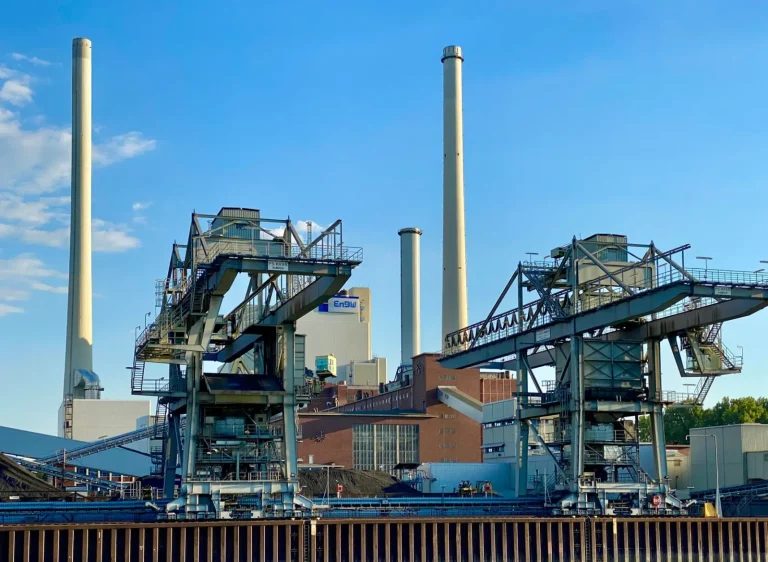
What’s less visible but equally important is the diversion of capital away from coal infrastructure. New coal power stations aren’t being built. Coal mining expansion projects are being shelved. That’s not just an environmental outcome; it’s a reallocation of investment that would have gone into those sectors. The people and businesses that depended on that investment pipeline are facing genuine disruption.
The transition also creates demand for specialized skills that Australia doesn’t have enough of yet. Electrical engineers, grid technicians, battery system specialists, and renewable energy project managers are in short supply. Some of that demand is being met by immigration and retraining programs, but the skills gap is real. Wages in these fields have risen accordingly, which is good for workers but adds cost to projects.
Regional Divergence
Not all regions are experiencing the transition the same way. Areas with good solar and wind resources, existing manufacturing capacity, or proximity to major population centers are seeing investment and job creation. Regions that were entirely dependent on coal mining face a different reality. The transition is creating winners and losers geographically, and that’s shaping political and social dynamics in ways that go beyond economics.
I’ve observed that regions managing the transition best are those that started early with diversification efforts. They didn’t wait for the transition to be complete; they began building renewable energy capacity and related industries while coal was still operating. That overlap period, messy as it is, allowed for workforce transition and business adaptation rather than sudden collapse.
Export opportunities are emerging too. Australia has natural advantages in solar and wind resources, and manufacturing capacity for renewable equipment is becoming competitive. There’s potential for Australia to become a significant exporter of renewable technology and components, not just energy. That’s a longer-term play, but it’s already influencing investment decisions.
The Cost Structure Shift
Operating costs for renewable energy are lower than coal in most cases now. Solar and wind have no fuel costs, minimal maintenance, and predictable lifespans. That’s economically favorable over time. But capital costs are front-loaded. Large upfront investment is required before any electricity is generated, which changes the financing and risk profile compared to coal operations.
This affects electricity prices in ways that aren’t always straightforward. Wholesale electricity prices can be lower when renewable generation is high, but grid stability and storage costs add complexity. Consumers see variable bills depending on demand patterns and renewable output. Businesses with flexible operations can take advantage of lower prices at certain times; those with fixed consumption patterns face different economics.
The cost of grid modernization is substantial and ongoing. That’s infrastructure investment that ultimately shows up in electricity prices or in government budgets. It’s not optional – the grid has to be upgraded to handle distributed generation and variable supply. That’s a real economic cost that often gets overlooked in discussions about renewable energy being cheaper.
Employment Transitions and Skills Gaps
The jobs being created in renewable energy and grid modernization aren’t identical to coal mining and coal power station work. Some skills transfer directly; others don’t. A coal miner isn’t automatically qualified to install solar panels or maintain battery systems. Retraining programs exist, but they take time and don’t work for everyone. Some workers move into new roles; others exit the workforce or move away.
Wage levels vary. Some renewable energy jobs pay well, particularly specialized technical roles. Others are lower-wage installation or maintenance work. The overall employment picture is improving in regions that have embraced the transition, but the quality and stability of jobs isn’t uniform.
What I’ve noticed consistently is that workforce transition works better when it’s planned and supported, rather than reactive. Communities that invested in education and training programs before the transition accelerated have fared better than those playing catch-up. That’s not just about individual workers; it’s about whether local businesses can participate in the new economy or whether opportunities flow elsewhere.
The Timing Question
Australia’s energy transition is happening within a global context. Other countries are moving in the same direction, creating both competition and opportunity. The pace of the transition affects economic outcomes significantly. Too slow, and Australia falls behind in emerging industries and investment. Too fast without adequate planning, and economic disruption is severe in vulnerable regions and sectors.
The transition is likely to continue accelerating. Technology costs keep falling, renewable energy capacity keeps expanding, and policy settings are generally supportive. That creates a window for businesses and regions to adapt, but the window isn’t infinite. The economic impacts will be most favorable for those who move proactively rather than reactively.
Australia’s economic growth over the next decade will be shaped significantly by how well this transition is managed. It’s not a question of whether growth will happen; it’s about where growth concentrates, who benefits, and whether the transition creates broadly distributed opportunity or concentrated gains and localized pain. That’s ultimately a question about investment decisions, policy choices, and how seriously communities take the need to adapt.