

Australia’s electricity grid is undergoing a fundamental restructuring, and it’s worth understanding what that actually means in practical terms rather than through the lens of policy announcements or promotional material. Over the past five years, I’ve watched the transition accelerate in ways that are both genuinely transformative and more complicated than most people realize. The shift isn’t simply about replacing coal plants with solar panels and wind turbines. It’s about rewiring how electricity moves, how it’s stored, how demand is managed, and how the entire system stays stable when the sun isn’t shining and the wind isn’t blowing.
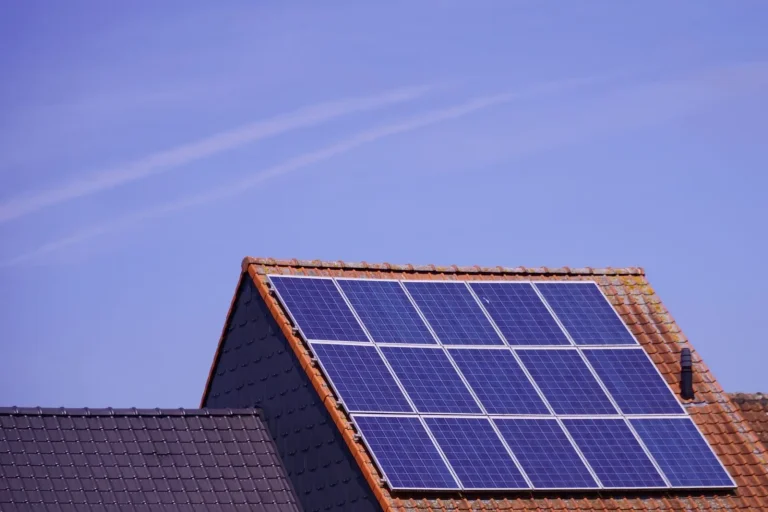
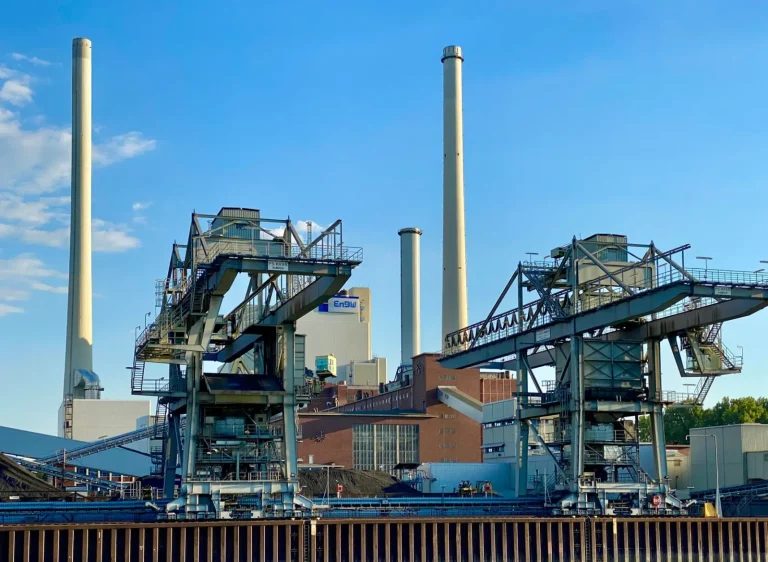
The scale of change is real. Coal generation that once dominated the grid is genuinely declining. New South Wales and Victoria have both seen coal capacity drop significantly, and Queensland is following suit. At the same time, solar installations – both utility-scale and rooftop – have become the dominant form of new generation capacity added to the grid year after year. Wind farms are expanding, particularly in South Australia and Victoria. But here’s what matters: the grid doesn’t simply swap one source for another. The characteristics of how electricity flows, when it’s available, and how it needs to be managed are fundamentally different.
The Variability Problem Is Real, Not Theoretical
Solar generation peaks at midday and vanishes at night. Wind is unpredictable and seasonal. Coal plants, by contrast, run continuously at whatever output level operators set them to. This isn’t a minor difference. It means the grid operator – AEMO, the Australian Energy Market Operator – faces a genuinely new problem set. On a clear, windy day, the grid can be flooded with cheap renewable energy. On a still, cloudy evening, that supply drops sharply just as demand often rises. This variability is manageable at modest penetration levels, but as renewables approach 60-70% of generation, it becomes the central constraint.
I’ve seen this play out in real time. South Australia reached over 60% renewable generation in 2022-2023, and what you notice is that the grid operator’s job becomes almost continuous balancing. When solar output is high, prices collapse to near zero or even negative – generators pay to put power on the grid because it’s cheaper than shutting down. When the sun sets and demand is still high, prices spike sharply. This creates genuine technical challenges. Synchronous generators – coal and gas plants – provide what’s called “synchronous inertia,” a physical property that helps the grid resist sudden frequency changes. Renewable generators don’t provide this naturally, so the grid becomes more brittle unless you actively manage it.
Storage and Firming Capacity Are the Actual Bottleneck
This is where the conversation gets grounded in real constraints. Australia has committed to very high renewable penetration targets, but the infrastructure to store or firm that energy is still being built. Battery storage is expanding rapidly – large-scale lithium-ion installations are coming online, and more are planned. But the scale required is enormous. A single day of unfavorable conditions – low wind, cloud cover, high demand – can require many hours of stored energy. Most current battery installations are designed for 2-4 hour discharge, which helps with peak demand but doesn’t solve multi-day gaps.
Pumped hydro is the other major option. Tasmania has significant capacity, and Snowy Hydro 2.0 is under construction to add more. But these projects take years to build and are capital-intensive. Meanwhile, the grid needs firming capacity now. Gas plants remain in the system partly because they’re flexible – they can ramp up quickly when renewables drop. But as renewable penetration increases, gas plants run fewer hours per year, which changes their economics. Some are being retired because they can’t operate profitably at low utilization rates. This creates a gap: the grid needs something that can respond quickly and reliably, but the economic model for building and operating such capacity is unclear.
Transmission Bottlenecks Are Becoming Visible
The grid’s physical wiring – the transmission lines that move electricity across regions – was designed for a different era. Large coal plants were centralized in specific locations, and power flowed outward. Renewables are distributed. Solar farms and wind farms are often built where the resource is good, not necessarily where the population is. This means electricity needs to move longer distances, and existing transmission lines are increasingly congested. On high-generation days, renewable energy can’t be fully evacuated from some regions because the lines are full.
New transmission infrastructure is being planned and built, but it’s slow. The regulatory process is complex, land access is difficult, and construction takes years. In the meantime, some renewable projects are curtailed – they’re forced to reduce output because the grid can’t accept all the power they’re generating. This is economically wasteful and technically frustrating. It’s also a sign that the grid is approaching a real constraint. You can’t simply add more renewables without also expanding the wires that carry the power.
Interconnection between states is also becoming more important. South Australia, which has very high renewable penetration, increasingly depends on power flowing in from Victoria and New South Wales during low-generation periods. The Heywood Interconnector between South Australia and Victoria is crucial, and upgrades to other interconnections are planned. But this interdependence also creates risk. If one region experiences a major outage, it can cascade through the network.
Demand Management and Flexibility Are Emerging As Key
One of the less visible but increasingly important shifts is how demand is being managed. Historically, the grid was built around the idea that demand was relatively fixed – people used electricity when they wanted it, and the system had to supply it. That’s changing. Electric vehicle charging, hot water heating, air conditioning, and industrial processes are increasingly being shifted in time to match renewable availability. When solar output is high and prices are low, charging happens. When prices spike, it’s deferred or reduced.
This requires technology – smart meters, controllable devices, and market signals that encourage this behavior. It also requires consumer participation and acceptance. Some of this is happening through market mechanisms; some is being mandated or incentivized through policy. The effect is real: peak demand is becoming less sharp, and the grid’s ability to absorb renewable variability improves. But it’s not a complete solution. You can’t shift industrial processes indefinitely, and people do need to charge their cars and heat their water at certain times.
Rooftop solar has also changed the demand profile. Millions of Australian homes now have solar panels, which means that midday demand on the grid has actually fallen – households are self-generating. This is economically rational for homeowners, but it changes the grid’s structure. Fewer people use grid electricity during the day, so fewer traditional generators are needed. But more people draw from the grid in the evening, and that draw is now sharper because rooftop solar has reduced daytime consumption. This creates a new peak that’s harder to manage.
The Grid Is Becoming More Complex, Not Simpler
What strikes me most, after years of watching this transition, is that the grid isn’t becoming simpler or more elegant. It’s becoming more complex. It requires more active management, more coordination between different technologies, more reliance on forecasting and real-time control, and more interdependence between regions. This isn’t necessarily a problem – modern systems can be complex and reliable if they’re well-designed and operated. But it does mean that the grid’s vulnerabilities are different from what they were in the past.
Frequency stability, which was almost automatic with large synchronous generators, now requires active management through inverter-based resources, synchronous condensers, and careful control of the power system. Voltage stability requires similar attention. Cybersecurity is more important because more of the grid’s operation depends on digital systems and communication. The grid is also more dependent on weather – a sustained period of high pressure and low wind can stress the system in ways that coal generation never did.
Australia is genuinely moving toward a high-renewable grid. The direction is clear, and the technology exists to make it work. But the transition is neither automatic nor without friction. The constraints are becoming visible: transmission capacity, storage capacity, the need for flexible demand response, and the requirement for active grid management. These aren’t insurmountable problems, but they’re real, and they’re being worked through in real time. The grid that emerges will be different from what we had, and understanding those differences – not just celebrating the renewable capacity additions – is what actually matters for reliability and cost.