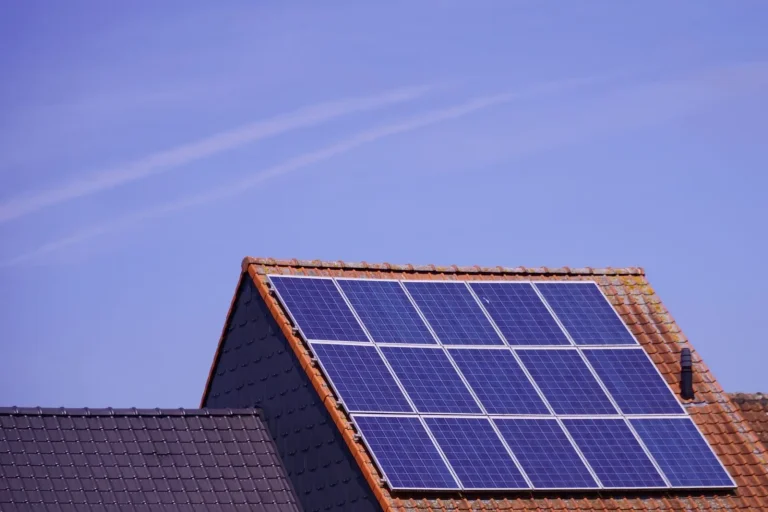

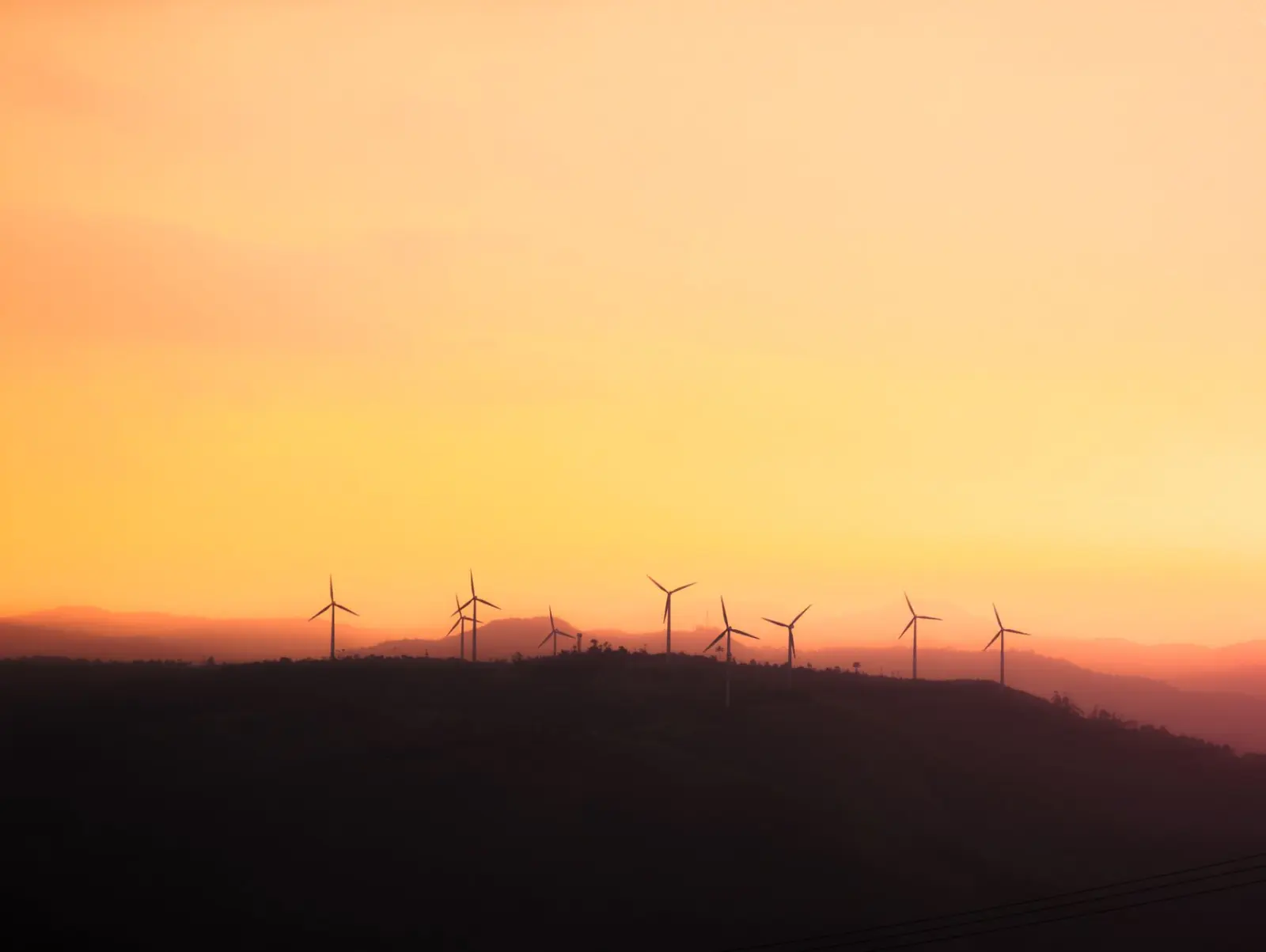
Australia has spent the last decade building renewable capacity at a pace that surprised most forecasters. What started as rooftop solar installations and a handful of wind farms has evolved into something more complex – a nation grappling with how to convert abundant wind and solar resources into exportable energy products. The infrastructure exists. The resources are there. But the gap between having renewable power and actually exporting it profitably remains substantial.
I’ve watched this shift unfold across multiple states. What’s become clear is that renewable energy export isn’t simply about installing more panels or turbines. It’s about the entire system that sits behind generation – transmission networks, storage capacity, industrial processing facilities, and international logistics. Each piece has its own constraints, and they don’t always align neatly.
The physical reality of Australia’s geography shapes everything. Wind resources cluster in Tasmania, South Australia, and parts of Victoria. Solar potential concentrates in inland and northern regions. But the existing transmission network was built around coal-fired power stations located near population centers and coal reserves. Moving renewable energy from where it’s generated to where it can be exported requires either upgrading existing transmission lines or building new ones – both expensive and time-consuming undertakings that face environmental and community pushback.
Where Export Opportunities Actually Exist
The most viable near-term export pathway isn’t electricity itself. It’s hydrogen and ammonia – energy-dense molecules that can be produced using renewable power, shipped internationally, and used as fuel or feedstock in distant markets. Japan, South Korea, and parts of Europe have committed to importing green hydrogen. This creates a real economic incentive, not a speculative one.
Several projects are already under development. Electrolyzers powered by wind and solar farms split water into hydrogen and oxygen. The hydrogen gets compressed or liquefied, then loaded onto ships. It’s not elegant, but it works. The economics still depend on maintaining low electricity costs and achieving scale. A single large electrolyzer facility requires consistent power supply and significant capital investment. These aren’t small installations.
Green ammonia follows a similar logic. Ammonia synthesis requires hydrogen and nitrogen, both readily available. It’s less volatile than hydrogen, easier to transport, and already traded internationally. Agricultural markets in Asia and the Middle East represent substantial demand. Australia’s existing ammonia production expertise, concentrated in Queensland, provides some advantage here, though most current facilities still rely on natural gas.
The Grid and Storage Problem
Renewable energy export depends on having surplus power available for processing into exportable products. Australia’s electricity grid is already experiencing stress points. South Australia, which leads the nation in wind penetration, regularly encounters periods where wind generation exceeds local demand. This creates opportunities but also instability.
Battery storage has expanded significantly, but it’s still insufficient for the scale needed. A large electrolyzer facility running continuously requires either constant renewable generation or massive battery backup. Seasonal variation matters. Winter brings better wind resources but lower solar output. Summer reverses this. Matching export production schedules to seasonal generation patterns requires either oversizing renewable capacity or accepting variable production rates – both have cost implications.
Long-duration storage technologies like pumped hydro and compressed air energy storage could help, but Australia has limited suitable sites for new pumped hydro facilities. The environmental and water use concerns are genuine. Compressed air storage remains mostly experimental at utility scale. This means export facilities will likely operate with variable capacity factors, reducing their economic efficiency compared to facilities in regions with more consistent renewable resources.
Industrial Infrastructure and Processing
Exporting renewable energy as electricity requires undersea cables and international agreements. Several high-voltage direct current cable projects have been proposed to connect Australia with Southeast Asia and beyond. These are technically feasible but extraordinarily expensive – billions of dollars per cable route. They also require sustained political commitment across multiple governments, which isn’t guaranteed.
Processing renewable energy into hydrogen or ammonia sidesteps some of these challenges but introduces others. Electrolyzer facilities need to be located near both renewable generation and port infrastructure. This limits site options. Coastal areas with good wind resources are often environmentally sensitive or already developed. Inland areas with excellent solar resources are far from shipping points.
The industrial facilities themselves represent substantial infrastructure. A facility producing 100 tons of green hydrogen daily requires significant capital investment, skilled maintenance staff, and reliable supply chain access for components. Australia has some electrolyzer manufacturing capacity developing, but most equipment still comes from Europe or Asia. This dependency affects both costs and delivery timelines.
Market and Regulatory Realities
Export viability depends on international demand actually materializing at prices that justify investment. Japan and South Korea have announced hydrogen import targets, but actual purchasing agreements remain limited. Europe’s hydrogen strategy is still taking shape. The market is real but still forming.
Domestic policy creates both opportunities and constraints. Renewable energy certificates and subsidies have driven capacity growth, but export-focused facilities operate in different economic models. A hydrogen production facility isn’t eligible for the same support mechanisms as a wind farm selling into the national grid. This creates a funding gap that private investment must fill, and private investors remain cautious about emerging technologies and uncertain markets.
State-level initiatives are emerging. South Australia, Queensland, and Western Australia have all announced hydrogen development strategies. These include land allocation, planning streamlining, and in some cases direct investment. But coordination across state borders remains challenging, particularly for transmission infrastructure that crosses multiple jurisdictions.
Australia’s renewable energy export future is neither assured nor impossible. The resources exist. The technology works. But the infrastructure – both physical and institutional – requires sustained investment and policy commitment over decades. Export volumes will likely grow, but probably more slowly and at smaller scale than optimistic projections suggest. The facilities that succeed will be those that can operate profitably within realistic constraints rather than those betting on perfect conditions.