
After years of working with homeowners across different Australian regions, I’ve noticed that climate risk conversations tend to split into two camps: those fixated on distant projections and those who dismiss the whole topic as speculation. Neither approach helps when you’re trying to decide whether to repair a roof, upgrade guttering, or evaluate a property purchase. The practical reality sits somewhere in the middle, grounded in what’s already shifting and what tends to fail under changing conditions.
Climate risk in an Australian residential context isn’t really about abstract temperature rises. It’s about the specific stresses that weather patterns place on buildings, infrastructure, and the systems that keep homes functioning. A house built in the 1970s was designed for a particular rainfall distribution, wind speed range, and seasonal rhythm. When those patterns change – not gradually over a century, but noticeably within a decade – the building starts to show its age faster than expected. I’ve seen gutters that worked fine for thirty years suddenly overflow because rain now arrives in more intense bursts. I’ve watched timber framing in older homes develop movement issues as humidity cycles become more extreme. These aren’t catastrophic failures; they’re the kinds of wear that accumulate and eventually demand attention.
Water Management and Drainage Challenges
One of the most consistent issues I encounter is drainage inadequacy. Australian homes built even fifteen years ago often have guttering and downpipe systems sized for historical rainfall patterns. When intense rainfall events become more frequent – and the data shows they are – these systems get overwhelmed. Water backs up, overflows, and finds its way into walls, under slab edges, and into basements. The problem isn’t always visible immediately. Moisture takes time to migrate, and by the time you notice damp patches or smell mold, the damage is already established in wall cavities and subfloor spaces.
Coastal and flood-prone properties face additional complexity. Storm surge behavior is shifting, and what was considered a fifty-year flood event is now occurring more regularly in some areas. Properties that were safe from inundation a decade ago are now in the conversation for flood risk. I’ve worked with homeowners who discovered mid-renovation that their property’s flood history was worse than council records indicated, or that insurance companies were reclassifying their risk profile. The ground-level infrastructure – electrical switchboards, air conditioning condensers, hot water systems – tends to be positioned where water naturally collects. When water events intensify, these critical systems become vulnerable.
Structural Movement and Material Stress
Soil behavior changes under different moisture regimes. Many Australian soils, particularly clay-heavy compositions common in inland regions, expand and contract significantly with water availability. Homes built on reactive soils experience seasonal movement as a matter of course, but when dry periods become longer and more severe, or when heavy rains follow drought more abruptly, that movement accelerates. I’ve seen cracks in plasterboard that were stable for years suddenly worsen. Doors and windows that operated smoothly start to stick or rattle. Foundation movement can be minor – a few millimeters – but it’s enough to stress connections, crack tiles, and create gaps where water can enter.
Timber framing in older Australian homes responds directly to humidity. When humidity swings become more extreme, timber moves more. Roof trusses, floor joists, and wall frames all shift slightly. This wouldn’t matter much if everything was perfectly rigid, but houses contain thousands of connection points – nails, bolts, adhesive joints – that tolerate a certain amount of movement and then start to fail. I’ve examined homes where increased timber movement has loosened roof fixings, created gaps in wall joints, and caused nail pops in plasterboard. None of these are structural failures, but they’re signals that the building is working harder under the new climate conditions.
Heat Stress and Cooling Demands
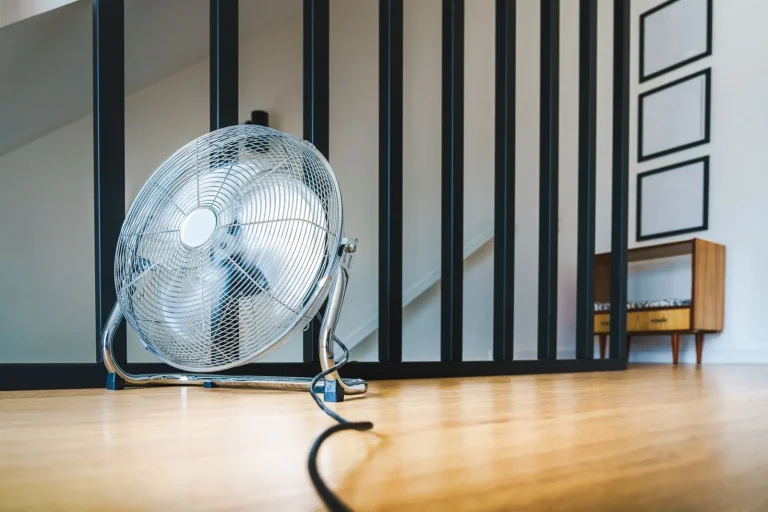
The thermal performance of older homes becomes more critical as temperature extremes increase. Australian homes built before energy efficiency standards were tightened often have minimal insulation, poor ventilation, and dark roofing that absorbs heat aggressively. During heat waves, these homes become genuinely difficult to cool. Air conditioning systems run continuously and consume significant energy. More importantly, the repeated thermal cycling – intense heat during the day, rapid cooling at night – stresses building materials and mechanical systems. Roofing materials expand and contract more violently. Sealants and caulking become brittle and fail. Air conditioning compressors work beyond their design parameters and fail earlier than expected.
I’ve worked with homeowners who’ve invested heavily in air conditioning only to find that their homes still don’t cool effectively because the building envelope itself is leaking conditioned air or allowing radiant heat to penetrate. The problem isn’t the cooling system; it’s that the house was never designed for the thermal load it now experiences. Upgrading insulation, improving ventilation, and reflective roofing can make a genuine difference, but these are significant investments that many older homes haven’t had made to them.
Infrastructure and Service Reliability
Beyond the building itself, climate risk affects the infrastructure that homes depend on. Water supply reliability is shifting in many regions. Some areas are experiencing more frequent restrictions or temporary outages as water systems struggle with changed rainfall patterns. Stormwater systems in older suburbs were often designed with limited capacity and are now regularly overwhelmed during intense rainfall. Sewerage backups occur more frequently. Electricity networks experience stress during heat waves as demand peaks, and some areas experience rolling outages or voltage fluctuations that damage appliances.
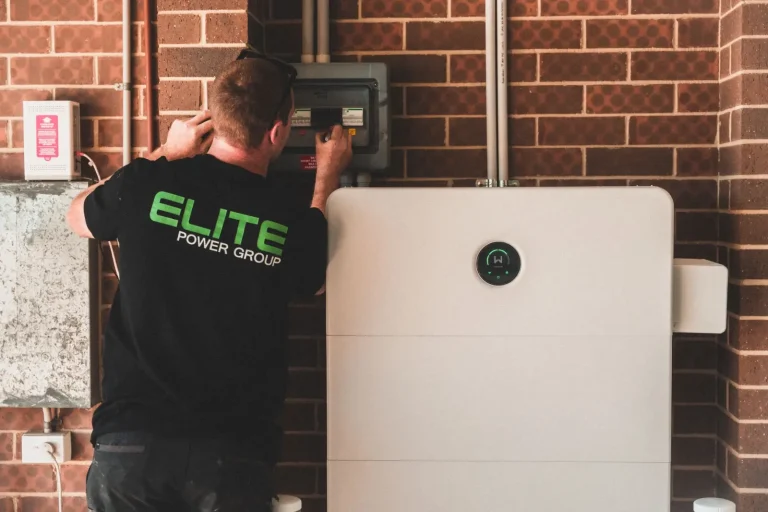
I’ve seen homeowners invest in water tanks, backup power systems, and improved greywater capture not as lifestyle choices but as practical responses to infrastructure unreliability. These aren’t panic measures; they’re adaptations to a changed operating environment. A home with a 5,000-liter tank and basic rainwater harvesting becomes more resilient when water restrictions tighten. A battery backup system for critical circuits becomes valuable when grid outages extend beyond a few hours.
The financial implications of climate risk are becoming tangible. Insurance premiums are rising in high-risk areas. Some insurers are withdrawing from certain regions or imposing stricter conditions. Property valuations in flood-prone or heat-stressed areas are beginning to reflect increased risk. A property that was considered standard five years ago might now be classified as high-risk based on updated climate modeling and historical data. This affects not just insurance costs but also resale value and borrowing capacity.
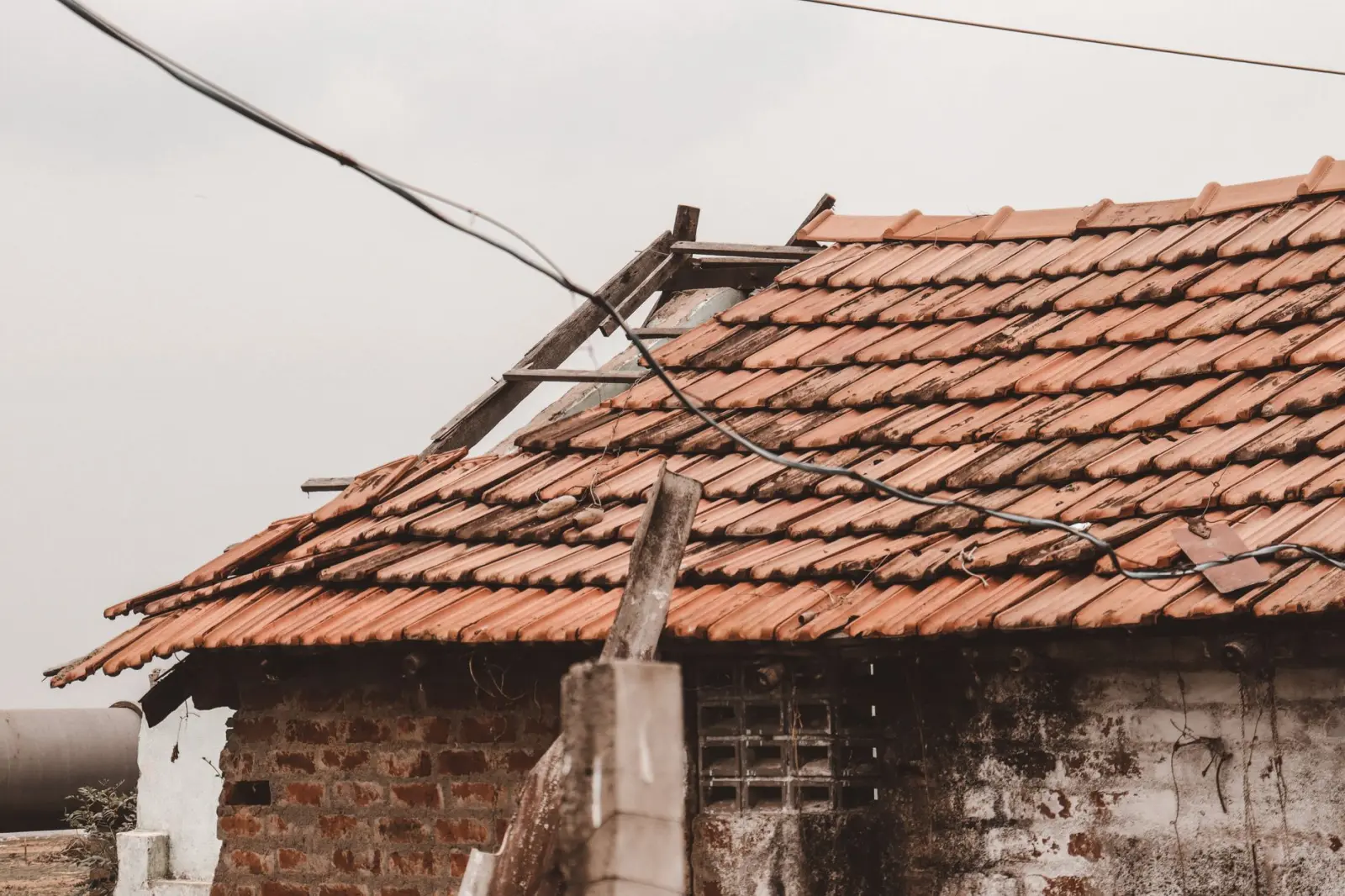
What I’ve learned from working through these issues repeatedly is that climate risk isn’t a future problem. It’s already embedded in how homes are performing and how systems are failing. The homes that are managing well tend to have had recent upgrades to drainage, insulation, roofing, and mechanical systems. They’ve been adapted to current conditions rather than left to operate under assumptions from decades past. The homes struggling most are often those where deferred maintenance has combined with changing climate conditions to create compounding problems. A roof that was adequate fifteen years ago might be failing now. Guttering that was sufficient is now undersized. Foundations that were stable are now moving more.
When evaluating a property or deciding what maintenance or upgrades make sense, it’s worth thinking about these specific, observable stresses rather than abstract climate scenarios. What’s the drainage like during heavy rain? How does the house perform during heat waves? What’s the condition of the roof, guttering, and external sealing? Has the soil around the foundation shown signs of movement? Are there moisture issues in the subfloor or walls? These are the practical indicators of how a home is coping with its current climate reality, not predictions about what might happen in fifty years.