Over the past fifteen years, I’ve watched Australian cities change in ways that aren’t always obvious until you’re standing in someone’s roof space on a 48-degree day. The heat isn’t just uncomfortable – it’s reshaping how houses behave, how materials wear, and what kinds of failures show up year after year. Most people don’t connect a cracked tile or a failing air conditioning compressor to broader temperature trends, but when you’re working through dozens of homes across a season, the pattern becomes impossible to ignore.
The thing about rising temperatures in Australian cities is that they don’t affect all homes equally. A brick veneer built in the 1980s responds to heat differently than a weatherboard cottage from the 1950s. A modern slab-on-ground home with concrete floors stores and radiates heat in ways that older timber stumped houses don’t. But across all these variations, there’s a common thread: materials are being asked to expand, contract, and endure in ways they weren’t originally designed for.
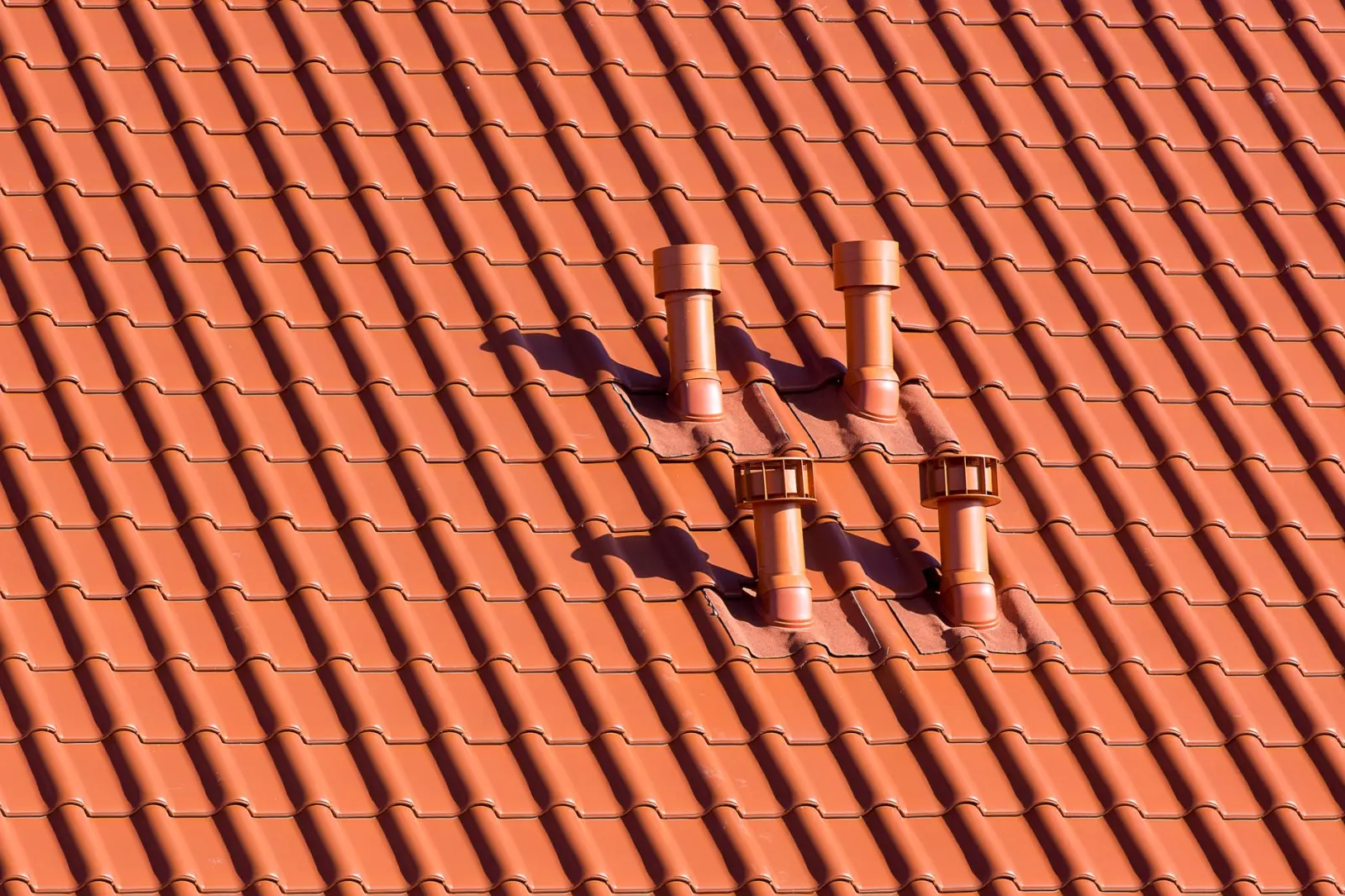
Roofing is the first line of defense, and it’s also the first thing to show stress. Terracotta and concrete tiles, which were standard across Australian suburbs for decades, are experiencing accelerated degradation. The repeated heating and cooling cycles – especially the rapid temperature swings we see now, where a roof surface might hit 70 degrees Celsius during the day and cool significantly overnight – create internal stresses that tiles weren’t engineered to handle at this frequency. I’ve seen tiles that should have lasted 40 years starting to crack and cup after 20. The mortar that holds ridge caps in place becomes brittle and fails. Valleys, where water runs during rain, start to show hairline fractures that eventually allow water penetration.
Thermal Movement and Building Envelope Failure
The expansion and contraction of building materials is something most homeowners never think about, but it’s where a lot of hidden damage happens. Metal gutters, fascias, and downpipes expand significantly in heat. When these are fixed rigidly – fastened with too many nails, or installed without proper gaps – they eventually buckle or pull away from the structure. I’ve replaced countless gutters that looked fine from the ground but had seams separating or sections that had warped enough to cause water to pool rather than drain.
Cladding materials are equally affected. Weatherboard, particularly on older homes, swells when it absorbs moisture and then shrinks as it dries. With more intense heat and occasional extreme rain events, this cycle is happening more aggressively. The paint fails faster. The timber itself starts to check and split. Gaps open up between boards that weren’t there five years ago. Modern fiber cement cladding is more stable, but it’s not immune. I’ve seen it warp and crack, especially on western-facing walls that take the afternoon sun relentlessly.
Windows and doors are another point of failure that’s become more common. Frames expand and contract. Seals that were adequate for the old climate begin to fail. Double-glazed units are particularly vulnerable – the seals between the glass panes start to break down faster, and you get condensation inside the sealed unit, which means the insulation value drops and the window becomes cloudy. Wooden frames swell and stick in their frames. Aluminium frames conduct heat so efficiently that they can become uncomfortable to touch and create thermal bridges that make cooling inefficient.
Subsurface and Foundation Issues
What’s happening below the house is often more serious than what’s happening above it. In Australian cities with clay-based soils, the heat-driven drying cycles are becoming more pronounced. Soil shrinks as it dries, and this differential movement can cause concrete slabs to crack and shift. Stumped timber houses, which were designed with some flexibility, are experiencing greater vertical movement. I’ve seen stumps that were perfectly sound ten years ago starting to show signs of stress – the timber is drying out more rapidly, and the differential movement between the stumps and the house frame is creating cracks in walls and causing doors and windows to bind.
Concrete driveways and pathways are cracking at an accelerating rate. The repeated expansion and contraction, combined with the way water behaves under extreme heat (it evaporates faster, leaving salts behind that can degrade concrete), means that concrete surfaces that were expected to last 30 or 40 years are showing significant deterioration after 15 or 20. Expansion joints that were spaced according to older standards aren’t adequate anymore.
Mechanical Systems Under Strain
Air conditioning compressors are working harder and failing sooner. A unit that was rated to handle the peak temperatures of the 1990s is now running at or near capacity for weeks at a time during summer. The refrigerant is hotter, the compressor is hotter, and the components are degrading faster. I’ve seen systems that should have had a 15-year lifespan starting to fail after 8 or 9 years of regular use. The increased demand also means higher electricity consumption, which compounds the problem for households already struggling with energy costs.
Plumbing systems are affected in ways that aren’t always obvious. Copper pipes expand more than the walls they’re mounted in, and this can cause them to rub through their insulation or even crack at joints. PVC pipes, which are increasingly common, become more brittle in sustained high temperatures. Water sitting in pipes and tanks heats up faster, which can make hot water systems less efficient and create conditions where legionella bacteria can proliferate if systems aren’t maintained properly.
Electrical systems are also under stress. Cables in roof spaces that were once in a relatively moderate thermal environment are now regularly exposed to temperatures that exceed their rated operating range. Insulation degrades faster. Switchboards and circuit breakers are working harder. I’ve seen increased instances of nuisance tripping and equipment failure that traces back to thermal stress rather than actual electrical faults.
What Adaptation Actually Looks Like
The homes that are holding up best aren’t necessarily the newest ones. They’re the ones where owners have been proactive about maintenance and where repairs have been done with an understanding of how heat affects materials. Roofs that have been regularly inspected and maintained, where damaged tiles are replaced promptly and mortar is repointed before it fails completely, show much less deterioration. Gutters that have been cleaned regularly and where expansion joints have been respected tend to function properly for longer.
Some of the adaptation happening now is reactive – people are replacing systems and materials as they fail. But the smarter approach is to anticipate where problems are likely to develop and address them before failure occurs. This might mean upgrading insulation in roof spaces to reduce internal temperatures, installing reflective coatings on roofs, ensuring that mechanical systems are properly maintained and serviced more frequently, or choosing materials for repairs that are more tolerant of thermal stress than the originals.
The reality is that Australian cities are experiencing a slow but persistent shift in how buildings perform. It’s not dramatic enough to make headlines, but it’s consistent enough that anyone working in maintenance or repair sees it every day. The houses that were built for a cooler climate are now operating in a warmer one, and that mismatch is showing up in countless small failures that, when added together, represent a significant change in how we need to think about maintaining our homes.