
Over the past fifteen years, I’ve watched Australian cities change in ways that aren’t immediately obvious until you’re standing in the middle of them. The heat isn’t just arriving earlier in the season or lasting longer. It’s concentrated in specific areas – dense urban zones where temperatures can run five to ten degrees Celsius higher than surrounding regions. This phenomenon, known as an urban heat island, has become one of the most tangible climate effects homeowners deal with, even if they don’t always recognize it as such.
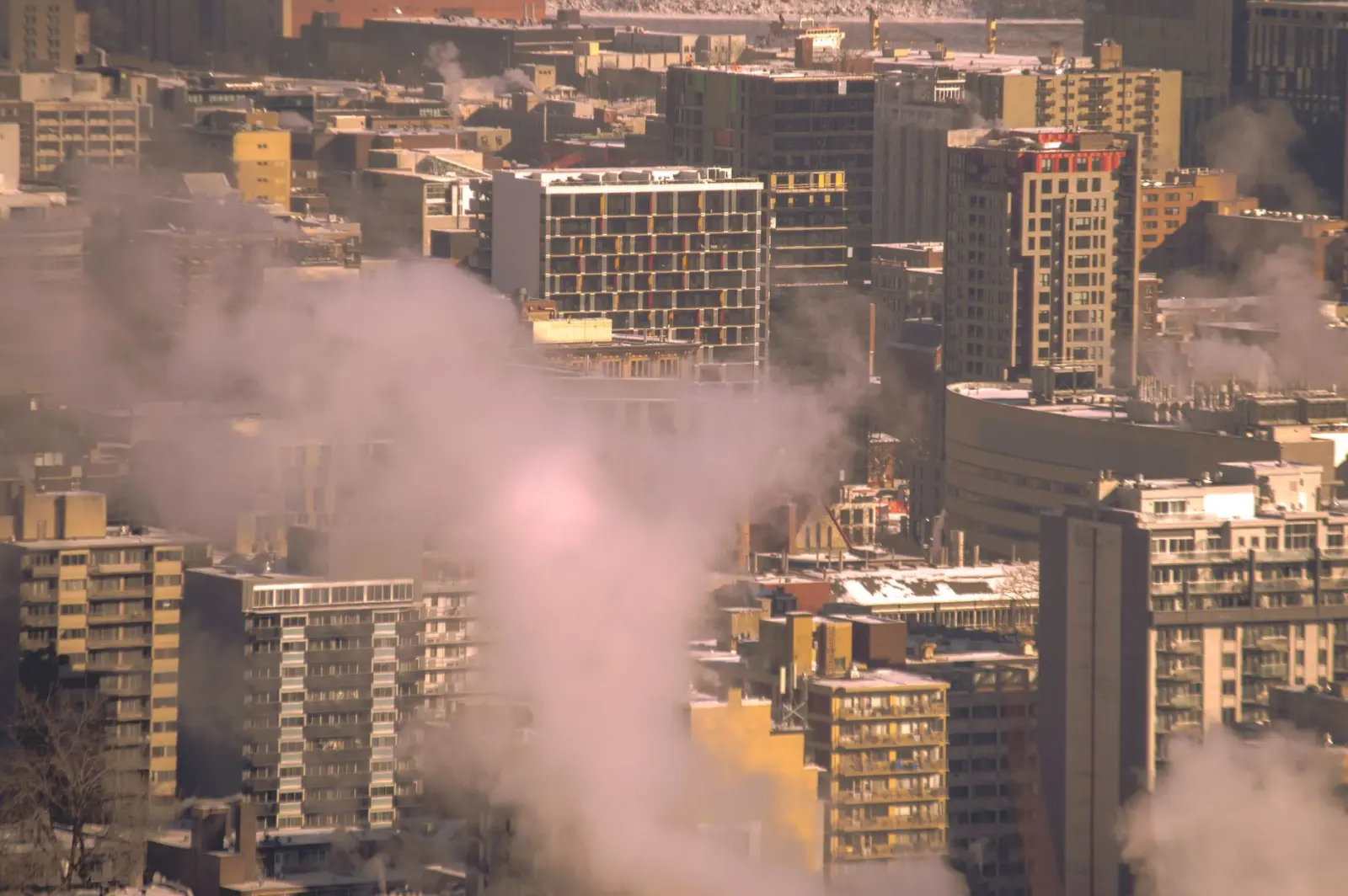
The mechanics are straightforward once you see them. Cities replace natural ground cover – grass, trees, soil – with hard surfaces. Asphalt, concrete, brick, metal roofing, and glass dominate the landscape. These materials absorb solar radiation during the day and release it as heat throughout the evening and night. A suburban street lined with mature trees stays noticeably cooler than an identical street stripped bare for development. The difference compounds when you multiply it across thousands of buildings and kilometers of roads.
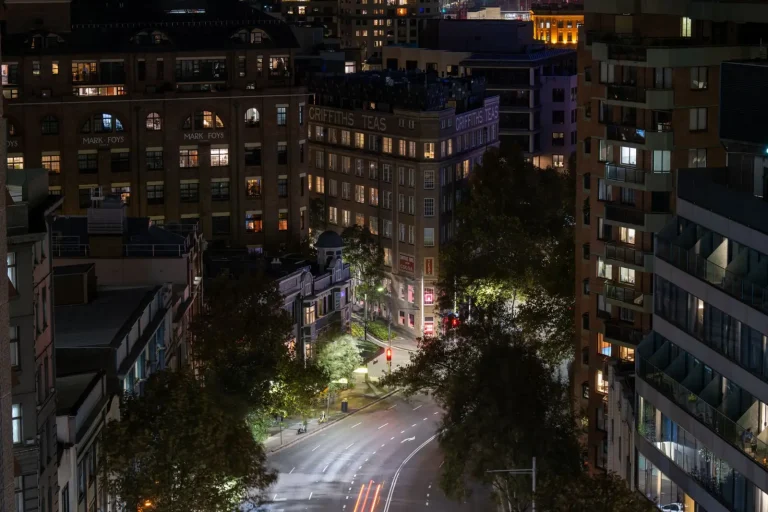
What makes Australian cities particularly vulnerable is their geography and existing infrastructure. Many developed areas sit in inland basins or on flat coastal plains where air circulation is limited. Sydney’s inner west, Melbourne’s northern suburbs, and Brisbane’s central corridors all experience pronounced heat trapping. The older the suburb, the denser the development, the more severe the effect tends to be. Newer outer areas often retain more vegetation, though that changes rapidly as they infill.
How Urban Heat Differs from Broader Warming Trends
It’s easy to conflate urban heat islands with climate change generally, but they’re distinct phenomena. Climate change is a regional or global shift in average temperatures. Urban heat islands are localized intensifications caused by human modification of the landscape. Both are happening simultaneously in Australian cities, which makes the situation more complex than either alone.
A homeowner in inner Melbourne might experience a 7-degree temperature spike compared to the Dandenong Ranges just 40 kilometers away, even on the same day. That’s the urban heat island effect. The broader warming trend – the fact that both locations are hotter than they were thirty years ago – is climate change. They interact. Cities that were already warm are getting warmer faster than they would under climate change alone.
This distinction matters practically. A property in an established inner-city suburb will face different cooling demands and energy costs than an equivalent home in a tree-rich outer area or rural zone. The urban heat island effect is largely controllable through local decisions about vegetation, surface materials, and building design. Broader climate warming is not. Understanding which problem you’re dealing with shapes how you respond.
The Residential Impact: What Homeowners Actually Experience
The first sign most people notice is energy consumption. Air conditioning runs longer and harder in dense urban areas. I’ve seen power bills climb noticeably in summer for properties that haven’t changed – same appliances, same occupancy, same habits. The external environment has shifted. Cooling a home when the surrounding air temperature is 42 degrees Celsius is fundamentally different from cooling it when ambient is 35 degrees.
Heat also penetrates buildings differently in urban zones. Concrete-heavy neighborhoods absorb and re-radiate heat long into the night, preventing the natural cooling that occurs in less developed areas. Night-time temperatures in inner suburbs often remain elevated even after sunset. This affects sleep quality, heat stress risk, and again, the runtime of cooling systems. A property that can naturally cool at night in a leafy area may require continuous mechanical cooling in a dense urban setting.
Water demand increases as well. Gardens and landscaping require more frequent irrigation in hotter microclimates. Soil dries faster. Established trees – the very vegetation that mitigates heat islands – paradoxically need more water to survive in the hotter conditions they help create. It’s a tension many homeowners don’t anticipate. Adding trees to cool your property is valuable, but maintaining them in an already-hot urban area requires commitment.
Surface Materials and Their Role
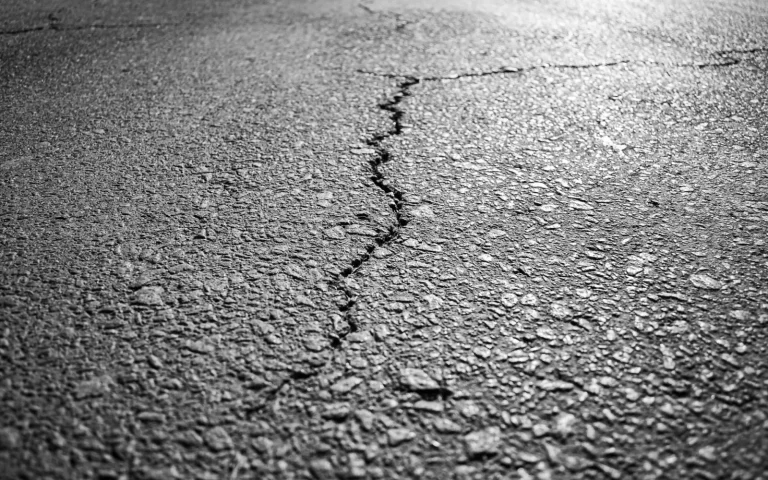
The choice of roofing, paving, and external finishes has measurable consequences in urban heat island zones. Dark asphalt can reach 60 degrees Celsius on a 35-degree day. Light-colored concrete or permeable paving stays significantly cooler. Reflective roofing materials reduce heat absorption compared to conventional dark tiles or metal.
I’ve observed that properties with deliberate attention to surface albedo – the reflectivity of external materials – maintain noticeably lower interior temperatures without additional cooling investment. This isn’t marginal. A home with a light-colored roof, light-colored walls, and permeable paving can run 2 to 4 degrees cooler than an identical home with conventional dark surfaces in the same urban location. Over a long summer, that translates to meaningful energy savings and improved comfort.
The challenge is that most existing urban properties were built with standard dark materials that were never selected for heat mitigation. Retrofitting is possible but requires renovation. New construction in hot-island zones increasingly incorporates reflective materials and vegetation from the outset, but the existing stock – where most people live – remains largely unchanged.
Vegetation as Mitigation
Trees are the most effective natural cooling mechanism available. A mature tree can reduce surrounding air temperature by 2 to 3 degrees through evapotranspiration and shade. But trees require space, establishment time, and maintenance. Urban density works against all three. Many inner-city properties have minimal yard space, and council regulations sometimes restrict tree planting near utilities or on narrow verges.
The lag between planting and benefit is also significant. A sapling provides almost no cooling for five to ten years. Homeowners seeking immediate relief from urban heat don’t have the luxury of waiting for trees to mature. This is why mechanical cooling remains dominant in dense urban areas despite its energy cost and environmental impact.
Where vegetation does exist in urban areas, it’s often under stress. Higher ambient temperatures, reduced soil moisture, and competition for water make urban trees more vulnerable to disease and early senescence. I’ve seen established trees decline noticeably in inner suburbs during extended heat waves. The trees that might mitigate the heat island effect are themselves threatened by it.
Infrastructure and Planning Responses
Australian cities are beginning to address urban heat islands through planning and infrastructure changes. Cool pavements, green roofs, and expanded tree canopy programs are becoming more common. Some councils now mandate vegetation coverage in new developments or require cool roofing materials. These are sensible measures, but they’re applied unevenly and often only to new construction.
The existing urban fabric changes slowly. A street can be resurfaced with cool pavement, but the surrounding buildings and their dark roofs remain. A few trees can be planted on a verge, but the overall density and hard-surface dominance persists. Real mitigation of urban heat islands requires sustained, coordinated effort across entire neighborhoods, which is organizationally and financially complex.
For individual homeowners, the practical reality is that you’re largely managing the consequences rather than solving the cause. Improving your own property’s thermal performance – through reflective materials, vegetation, and efficient cooling – helps your immediate situation but doesn’t shift the broader urban microclimate. That requires systemic change at the municipal and regional level.
What’s clear from years of observing this is that Australian cities are locked into a pattern. They’ve been built and rebuilt around hard surfaces and density. The heat island effect is now a structural feature of urban life, not a temporary anomaly. Homeowners in these areas face persistent elevated temperatures that will likely intensify as climate warming continues. Understanding that this is a localized but real phenomenon – distinct from broader climate trends but equally consequential – shapes realistic expectations about living in dense urban Australia.