
Australia has always been a dry continent, but the character of that dryness has changed noticeably over the past two decades. I’ve worked on properties across eastern Australia long enough to see the difference between a bad year and a structural shift in rainfall patterns. The droughts we’re experiencing now aren’t simply more intense versions of what occurred in the 1980s or early 2000s. They’re arriving with different timing, persisting longer, and creating conditions that catch homeowners off guard because the old seasonal rhythms no longer hold.
What strikes me most is how many people still operate under assumptions about water availability that made sense fifteen or twenty years ago. They plan garden irrigation around spring rains that now arrive unpredictably. They size rainwater tanks based on historical averages that no longer reflect reality. They maintain property drainage systems designed for rainfall patterns that have shifted. The physical infrastructure of homes – from guttering to foundation drainage to septic systems – was often built with assumptions about how much water would arrive and when.
The trend is clear when you look at the data across the continent. Southern Australia has experienced a persistent decline in cool-season rainfall since the late 1990s. The southwest of Western Australia and parts of Victoria have lost roughly 10 to 15 percent of their annual rainfall over the past twenty years. Meanwhile, northern Australia’s wet season has become less predictable, with some years bringing torrential rain and others remaining dry well into what should be the wetter months. This isn’t random variation anymore. The shift is measurable and consistent enough that hydrologists and climate scientists treat it as a new baseline rather than a temporary anomaly.
What’s Driving the Pattern
The underlying causes are interconnected. Ocean temperatures around Australia have warmed, which changes how moisture moves across the continent and how weather systems develop. The subtropical ridge – a persistent high-pressure system that sits over southern Australia – has shifted slightly southward and intensified, pushing rain-bearing systems further away from populated areas. These aren’t isolated events. They’re part of a broader warming trend that affects how the entire climate system functions in this region.
I’ve noticed the practical consequences on properties. Bores that reliably produced water for decades now run dry or produce less. Creeks that once flowed year-round now stop flowing by mid-summer. Soil moisture levels remain lower for longer stretches. Vegetation that thrived with existing water availability starts to struggle. These changes happen gradually enough that people sometimes don’t notice until they’re trying to maintain a garden or refill a tank and realize something has shifted.
The Variability Problem
What makes current conditions particularly challenging is the increased variability. It’s not simply that there’s less rain overall. It’s that the rain, when it comes, is often concentrated into shorter, more intense periods separated by longer dry stretches. A property might receive a year’s worth of rain in three months, then experience nine months of virtually nothing. This pattern is harder on infrastructure than steady, moderate rainfall. Intense storms cause erosion and drainage issues. Long dry periods stress vegetation and deplete water reserves faster than systems designed for more gradual use can handle.
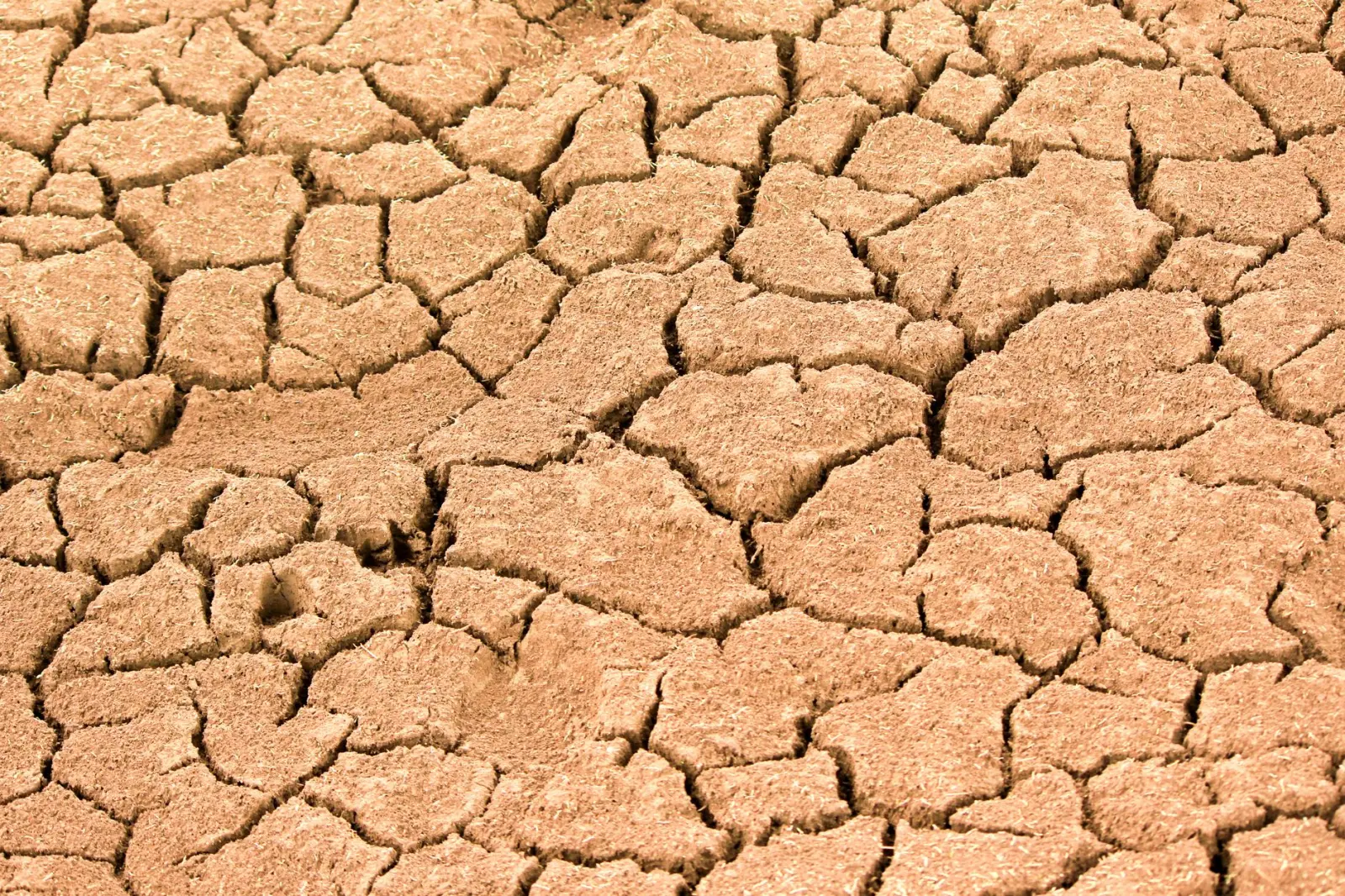
I’ve seen this affect everything from stormwater management to landscape survival. Guttering and downpipes designed for moderate rain loads sometimes struggle with the intensity of modern storms. Conversely, gardens planted with species that need regular moisture fail during the inevitable dry stretches. Even soil itself behaves differently. After a long dry period, soil becomes hydrophobic – water runs off rather than soaking in – so when rain does arrive, much of it flows away rather than replenishing groundwater.
Long-Term Risks for Properties
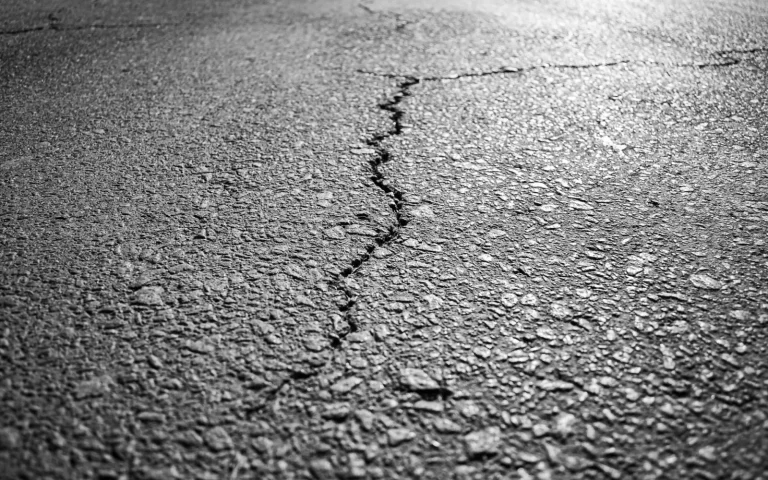
The implications for homeowners extend beyond immediate water availability. Foundations and concrete slabs respond to soil moisture changes. In dry periods, soil shrinks, and structures can settle unevenly. When rain returns and soil rehydrates, movement reverses. This cyclical stress contributes to cracking in concrete, subsidence issues, and structural movement that becomes more pronounced when the cycles are extreme. I’ve inspected properties where foundation cracks that were minor ten years ago have widened noticeably as the drought-wet cycles have intensified.
Vegetation management becomes more complex. Trees and shrubs that were marginal choices in the old climate are now clearly unsuitable. Native species that evolved for Australia’s historical drought patterns sometimes struggle with the new timing and intensity. Pest and disease pressure shifts too. Some insects and pathogens thrive in the warmer, drier conditions. Others that relied on predictable wet seasons decline. The overall effect is an ecosystem under stress, which means properties require more active management to maintain.
Water security is the most obvious concern. Rainwater tanks that seemed adequate now empty faster and refill less often. Bores that were considered reliable backup water sources show declining yields. Municipal water restrictions, which were once occasional emergency measures, are becoming routine in many regions. For properties relying on tanks or bores, this creates genuine uncertainty about water availability for essential uses, let alone discretionary ones like garden maintenance.
What the Trends Suggest
The climate models consistently point toward continued warming and further changes to rainfall patterns across Australia. The southwest of Western Australia is expected to experience continued drying. Southern Victoria and South Australia will likely see more variability and less winter rainfall. The Murray-Darling Basin, which supplies water to millions of people and vast agricultural areas, faces ongoing pressure as inflows decline and competition for available water intensifies.
This doesn’t mean every year will be drier than the last. Wet years will still occur. But the overall trajectory is toward a drier climate with more extreme variability. For homeowners, this means planning property management around a different set of assumptions than previous generations used. The old idea that things will eventually return to “normal” conditions isn’t realistic. Normal has shifted.
The practical response isn’t panic but recalibration. Properties need water management systems designed around current and projected conditions, not historical averages. Vegetation choices should reflect the climate actually arriving, not the climate that existed when the house was built. Drainage and foundation management need to account for both intense rainfall events and prolonged dry periods. Bore and tank systems should be sized and maintained with realistic expectations about recharge rates and availability.
I’ve seen properties that adapted thoughtfully to these conditions thrive, and I’ve seen others struggle because they continued operating under outdated assumptions. The difference isn’t usually about spending more money. It’s about understanding what’s actually happening and making deliberate choices based on that reality rather than hoping conditions will revert to what they used to be.