
After twenty years working across Australian residential properties, I’ve noticed something that doesn’t always make headlines the way it should: the weather patterns we built our homes around are changing noticeably, and they’re changing faster than most people expect. This isn’t abstract climate science – it’s showing up in guttering that overflows during storms that used to be manageable, in foundation cracks that appear after droughts longer than anyone planned for, and in seasonal timing that throws off everything from garden maintenance to pest control schedules.
What strikes me most is how quietly this happens. A homeowner might not connect the dots between a single harsh summer and a broader shift. But when you’re inspecting dozens of properties every month, patterns emerge. The variability itself has become the defining characteristic. We’re not just seeing hotter summers or drier winters in isolation – we’re seeing more extreme swings between conditions, less predictability in when those conditions arrive, and a general acceleration in how quickly weather systems develop.
The Shifting Rainfall Picture
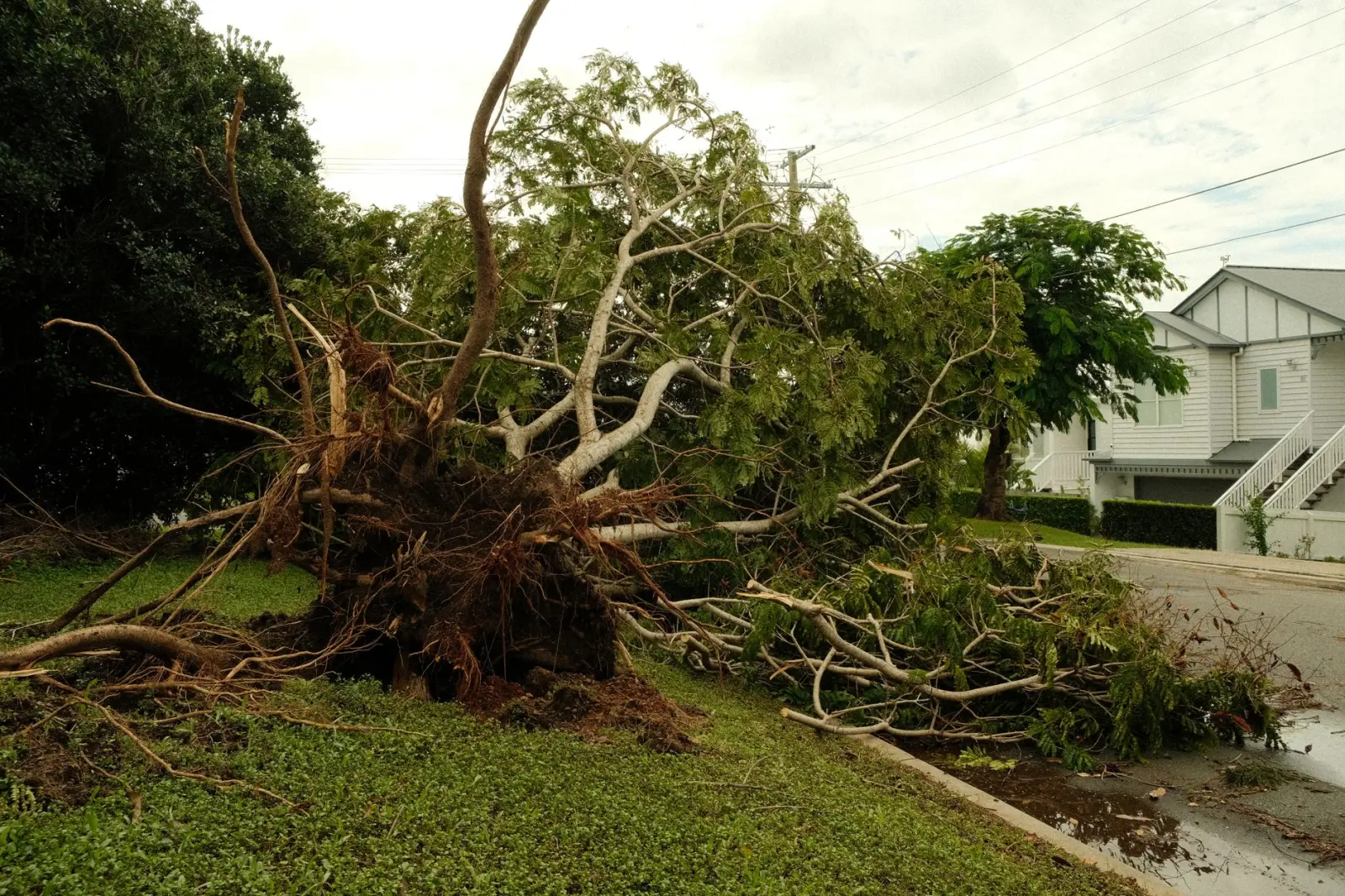
Rainfall patterns across Australia have become genuinely difficult to predict using historical data. In the eastern seaboard states where I work most, we’ve seen a clear trend toward more intense rainfall events separated by longer dry periods. This creates a specific problem for properties: drainage systems designed for gradual, moderate rain become overwhelmed. I’ve seen perfectly adequate stormwater systems fail not because they were poorly installed, but because the intensity of rain they’re now facing exceeds what the original design anticipated.
The southern regions – parts of Victoria and South Australia – have experienced a noticeable decline in winter rainfall over the past two decades. This sounds abstract until you’re dealing with it. Properties that once relied on winter rain to recharge soil moisture and reduce summer watering demands now face longer, more severe dry spells. Lawns and gardens designed around that old rhythm struggle. More importantly, soil movement becomes more pronounced when moisture patterns shift this dramatically. I’ve worked on houses where subsidence cracking accelerated precisely because the soil beneath them was drying out more severely than it had in the past.
In the north and inland areas, the picture is different but equally disruptive. Monsoonal rainfall has become less predictable in timing, and when it does arrive, it often comes in more concentrated bursts. Properties that experienced reliable seasonal flooding patterns now face either extended dry periods or sudden, intense inundation. This affects everything from foundation stability to the performance of septic systems and drainage fields.
Temperature Extremes and Their Practical Impact
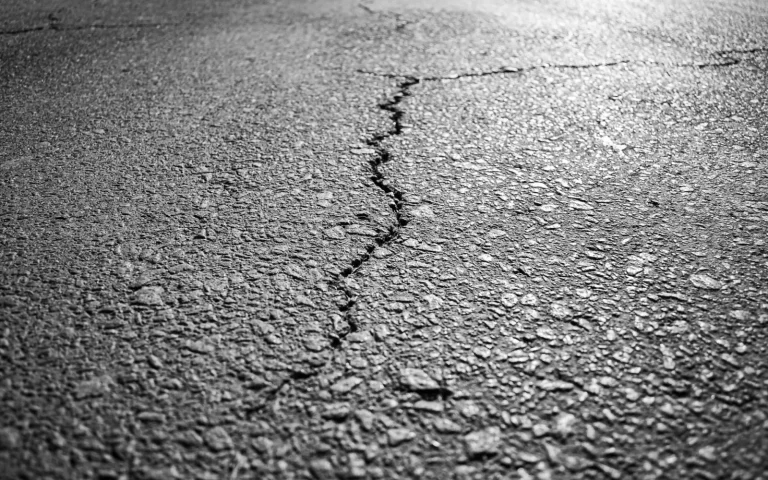
Heat waves have become both more frequent and more intense. This matters for homes in ways that go beyond comfort. Roofing materials that performed adequately for decades are now experiencing thermal stress they weren’t designed for. I’ve seen roof tiles crack and warp more frequently during extreme heat events. Asphalt driveways and paths soften and deform. Paint fails faster. Wooden structural elements in attics and under eaves experience greater expansion and contraction cycles, which loosens fixings and creates movement in framing.
The cold end has shifted too, though less dramatically in most populated areas. What’s more significant is the unpredictability. Unexpected late frosts after warm springs can damage gardens and outdoor structures. Rapid temperature swings – warm days followed by cold nights – create conditions where concrete and masonry experience stress fractures. I’ve noticed this particularly in exposed foundations and outdoor paving.
Seasonal Timing and Maintenance Calendars
One of the more practical issues I encounter is that traditional maintenance schedules no longer align reliably with seasonal conditions. Pest control timing, for instance, used to follow fairly predictable patterns. Now, warmer winters mean some pest populations never fully retreat, while unexpected cold snaps can disrupt their cycles unpredictably. Termite activity, which was once seasonal, now occurs year-round in many regions.
Garden and landscape maintenance is similarly disrupted. Spring arrives earlier in some years, later in others. This affects when plants should be pruned, when to plant, when to expect growth. For properties with established gardens, this variability is manageable. For new landscaping or major garden work, it creates genuine uncertainty about what will thrive and when.
Water management has become more complex. The old wisdom about watering schedules, mulching depth, and soil preparation no longer holds consistently. Homeowners who follow traditional advice sometimes find their plants stressed because the actual conditions – rainfall timing, temperature patterns, humidity levels – have shifted from what those guidelines assumed.
What This Means for Property Durability
The cumulative effect of these shifts is measurable in property condition. Foundations experience more stress from variable soil moisture. Drainage systems face more intense rainfall events. Roofing and external materials endure greater temperature extremes. Timber framing in older homes experiences more pronounced movement. None of this is catastrophic in isolation, but over time, the accelerated wear becomes apparent.
I’ve also noticed that properties built to older standards are showing their age faster. Homes designed when weather patterns were more stable and predictable are being tested by conditions outside their original design parameters. This doesn’t mean they’re failing, but maintenance demands are increasing, and the timeline for addressing issues has compressed.
For anyone maintaining a property, this reality means being more attentive to condition changes. The seasonal inspection routine that worked for decades needs to be more flexible now. After unusual weather events – intense storms, extended heat waves, unexpected cold snaps – it’s worth checking for damage rather than waiting for a scheduled inspection. The variability itself is the new normal, and responsiveness matters more than adherence to a fixed calendar.