
Australia’s tourism landscape has always been shaped by climate – the dry heat of the interior, the tropical monsoons of the north, the temperate coasts. But what I’ve observed over the past decade is a noticeable shift in how climate variability is affecting where visitors actually go and what they expect to find when they arrive. It’s not a distant threat. Tour operators, accommodation managers, and regional tourism boards are already adjusting their operations in response to real changes they’re seeing year to year.
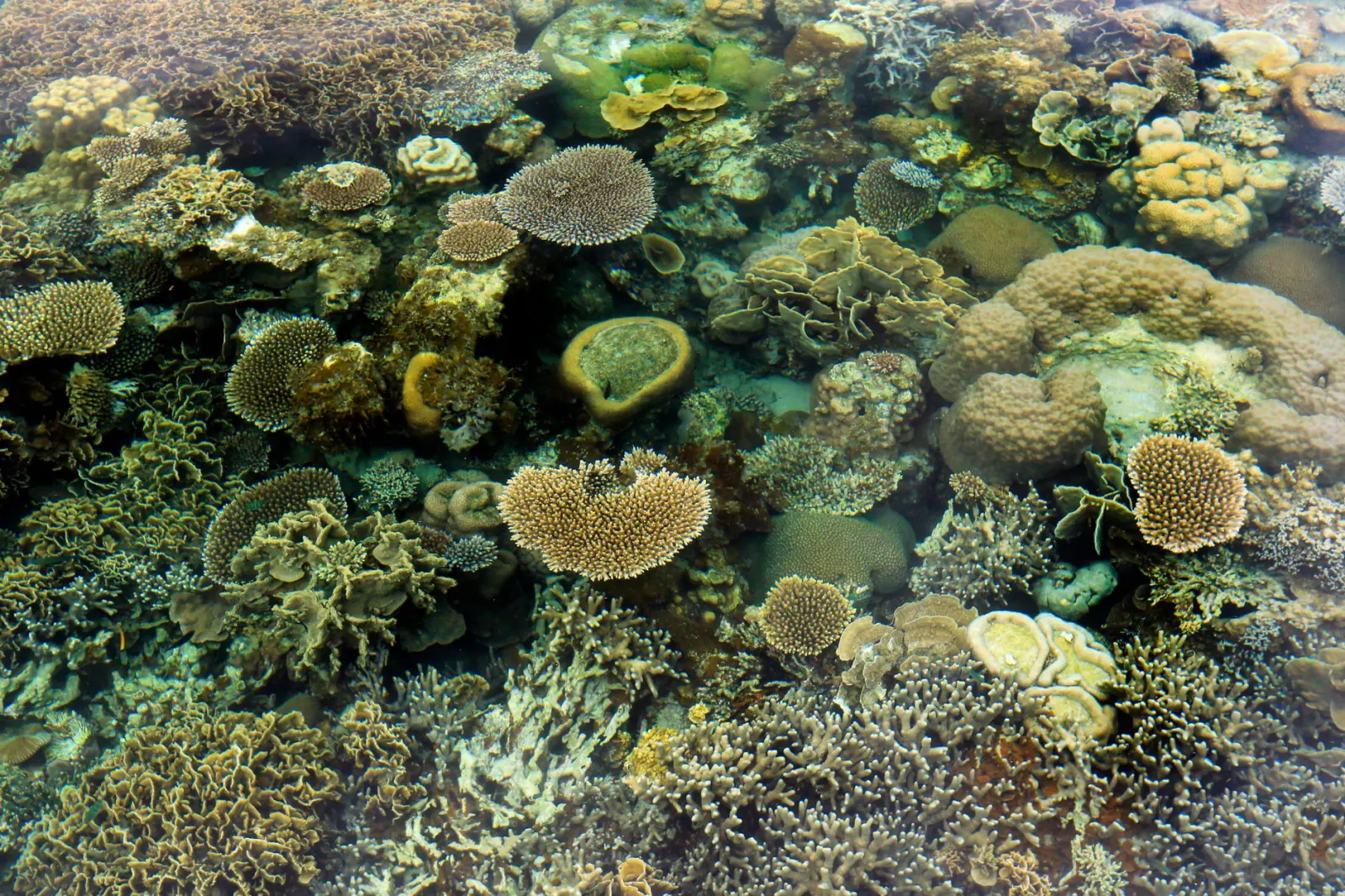
The Great Barrier Reef is perhaps the most visible example. Coral bleaching events have become more frequent and severe, and I’ve watched the anxiety ripple through the entire reef tourism sector. Operators who built their entire business model around pristine reef experiences are now dealing with guests arriving to find degraded coral, fewer fish, and water that doesn’t match the marketing images. Some have pivoted toward education-focused tours that explain the bleaching process itself, but that’s a difficult sell when people have paid premium prices for a specific experience. The economic pressure is real, and it’s forcing difficult conversations about sustainability and long-term viability.
Temperature Extremes and Visitor Patterns
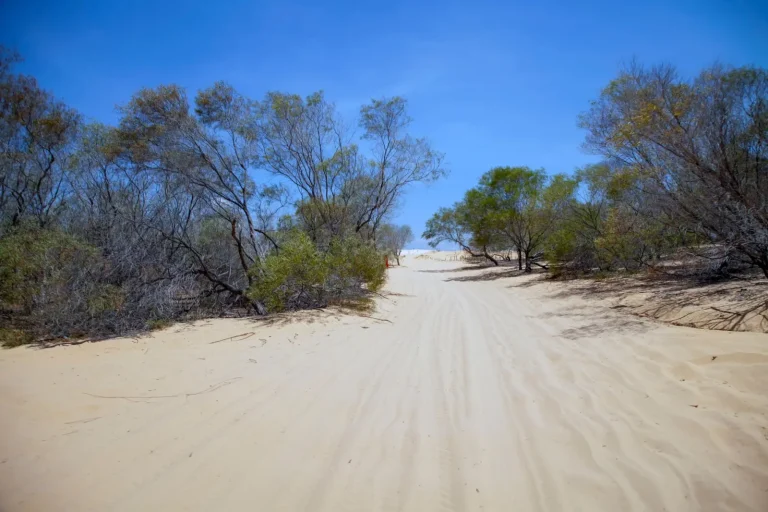
Rising temperatures are changing when people visit certain regions. The Red Centre – Uluru, Kings Canyon, the MacDonnell Ranges – has always been a summer destination, but summer temperatures are becoming genuinely dangerous. I’ve spoken with guides who report that by mid-afternoon in December and January, it’s simply too hot to safely conduct walking tours. Some operators have shifted their peak season earlier into spring or later into autumn, but this creates a mismatch with school holidays and international travel patterns. Visitors still want to come during their available time, but the conditions aren’t cooperating.
Conversely, the southern regions are seeing extended shoulder seasons. Tasmania and the cooler parts of Victoria are becoming more attractive precisely because they remain comfortable during periods when northern Australia is becoming marginal. I’ve noticed accommodation bookings shifting southward, and some operators in traditionally quieter regions are now grappling with unexpected demand and capacity constraints they weren’t prepared for.
Water Availability and Regional Viability
Drought cycles have always been part of Australia’s climate story, but their intensity and duration are affecting tourism infrastructure in ways that aren’t always obvious until you’re on the ground. Regional towns that depend on tourism revenue are struggling with water restrictions that limit what they can offer – from landscaping and gardens that tourists expect to see, to basic services like laundry and cleaning at accommodation facilities. I’ve visited towns where the visual appeal of the destination has noticeably degraded because water conservation measures prevent the maintenance that keeps public spaces attractive.
Worse, some regional water supplies are becoming unreliable enough that tourism operators can’t guarantee service continuity. A resort or lodge that can’t reliably provide hot water or maintain pools loses its competitive advantage quickly. This is pushing some operators toward expensive infrastructure upgrades – rainwater harvesting, recycled water systems, desalination in coastal areas – that fundamentally change their operating costs and margins.
Extreme Weather and Seasonal Disruption
Cyclones, floods, and bushfires are disrupting tourism on a scale that’s hard to predict and plan around. I’ve seen entire regions shut down for weeks due to flooding or fire risk, stranding tourists and canceling bookings months in advance. Travel insurance claims have spiked, and some insurers are becoming reluctant to cover certain regions during peak risk periods. This creates a cascading effect: uncertainty drives down bookings, which reduces revenue, which makes it harder for operators to invest in resilience measures.
The 2019-2020 bushfire season was particularly instructive. Even regions that weren’t directly burned saw tourism collapse because of smoke, air quality concerns, and general uncertainty. Visitors canceled trips, and the recovery took far longer than the physical damage would suggest. I spoke with operators who said the psychological impact on their business extended well into the following year.
Ecosystem Changes and Experience Degradation
Beyond the obvious attractions, subtle ecosystem shifts are eroding the appeal of many destinations. Wildflower displays are becoming less reliable. Wildlife viewing – whether it’s birdwatching, whale watching, or seeing specific species – is becoming less predictable as animals shift their ranges and timing. A destination that was known for reliable wildlife encounters is suddenly less reliable, and that affects repeat visitation and word-of-mouth recommendations.
Alpine regions are particularly vulnerable. The ski season in Australia was never long or reliable, but warming temperatures are making it even shorter and less economically viable. Some operators have already exited the business, and others are investing heavily in snowmaking infrastructure just to keep operating. The cost-benefit calculation is becoming increasingly difficult.
I’ve also noticed changes in what tourists themselves are seeking. There’s a growing segment of visitors who want to see threatened ecosystems while they still exist – a kind of climate-driven urgency tourism. This creates a perverse incentive where the destination’s degradation becomes part of its appeal, which isn’t sustainable long-term and creates ethical tensions for operators trying to balance conservation with visitation.
Infrastructure Stress and Hidden Costs
Roads, airports, and basic infrastructure designed for historical climate patterns are starting to show stress. Coastal erosion is threatening some tourism facilities. Inland roads are buckling under heat stress. Airport runways designed for specific temperature ranges are experiencing operational constraints during heat waves. These aren’t catastrophic failures yet, but they’re creating maintenance costs and operational challenges that weren’t in the original budget.
I’ve observed that regional tourism operators often lack the capital reserves to absorb these unexpected infrastructure costs while also managing revenue volatility from climate-driven disruptions. This is pushing some toward consolidation or exit, which reduces competition and choice in already marginal regions.
What’s becoming clear from years of observation is that climate change isn’t a future problem for Australia’s tourism industry – it’s a present management challenge. The operators who are adapting most successfully aren’t waiting for perfect information or government mandates. They’re actively monitoring their local climate patterns, diversifying their offerings, and building flexibility into their business models. Those who are treating it as a temporary inconvenience or a problem that will resolve itself are increasingly vulnerable to disruption. The tourism geography of Australia is shifting, and the winners will be those who recognize that shift early and adjust accordingly.