
After years of working with homeowners across different Australian regions, I’ve noticed a quiet shift in what people worry about when maintaining their properties. It’s no longer just the seasonal storms or the occasional drought. The conversations have turned toward something slower and more persistent – how the climate itself is changing the rules for what a house needs to withstand.
The warming scenarios being discussed by climate researchers aren’t abstract models anymore. They translate into real consequences for roofing materials, foundation stability, water availability, and the lifespan of infrastructure we take for granted. Whether we’re looking at a 1.5-degree, 2-degree, or 3-degree warming pathway, each one carries different implications for how Australian homes will perform and what maintenance demands will emerge.
What makes this particularly relevant for homeowners is timing. Most of us don’t rebuild our houses or replace major systems every few years. We’re making decisions now – about materials, landscaping, water systems, and insulation – that will need to function in a climate that’s already different from what the original designs assumed.
The 1.5-Degree Scenario: Incremental Stress
In the lower warming pathway, we’re talking about relatively modest shifts from current conditions. Temperatures rise, but not dramatically. Rainfall patterns shift, but regional variations remain somewhat predictable. This sounds manageable, and in some ways it is, but it’s also deceptive.
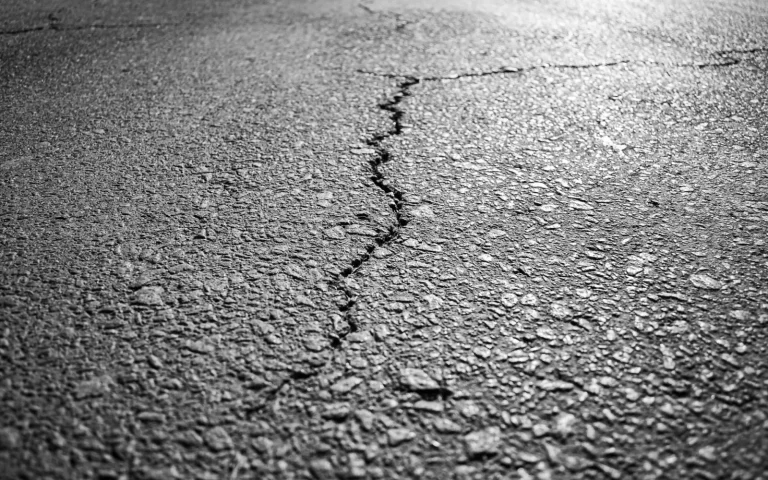
What I’ve observed is that incremental change often catches people off guard precisely because it’s gradual. A roof that performed adequately for 30 years might start showing stress in year 25 under slightly hotter conditions. Gutters and downpipes that handled historical rainfall patterns begin to overflow during events that are now more frequent. Concrete slabs that never cracked before develop hairline fractures from thermal cycling that’s become more extreme.
In this scenario, coastal properties face modest sea-level rise – perhaps 30 to 50 centimeters by mid-century. That doesn’t sound like much, but it changes how storm surge behaves. High tides reach further inland. Saltwater intrusion into groundwater accelerates. Properties that never flooded before find themselves dealing with water management issues that weren’t part of the original design.
The garden and landscaping side of things shifts too. Established plants that thrived for decades might struggle. Soil moisture patterns change. Irrigation systems designed for historical water availability become less reliable. I’ve seen homeowners invest in drought-resistant landscaping only to find that the new baseline requires different species again within a decade.
The 2-Degree Pathway: Visible Transformation
This is where changes become unmistakable. A 2-degree warming is significant enough that most people would notice it directly, not just through infrastructure failure. Summer heat becomes more intense and more frequent. Winter frost becomes less reliable in southern regions. Bushfire seasons extend and intensify.
For buildings, this means real pressure on cooling systems. Air conditioning that was considered optional in many Australian homes becomes essential. Electricity demand spikes during heat waves, which creates its own problems – grid strain, higher costs, and reliability issues during peak periods. Homes that were passively cooled through design start requiring active mechanical systems, which changes both construction standards and ongoing maintenance.
Timber framing and wooden structural elements face greater stress. Moisture content in wood fluctuates more dramatically with temperature and humidity swings. Joints that were stable for decades develop movement. Paint and varnish fail faster. Termite activity extends into regions where it was previously limited.
Water becomes a more active concern. In drier regions, bore water becomes deeper and more expensive to access. Rainwater tank systems, which work well in moderate climates, become less reliable when rainfall becomes more concentrated into fewer, heavier events. Flooding risk increases in some areas while drought risk increases in others. The middle ground – steady, predictable water availability – shrinks.
Concrete and masonry also show their age faster. Thermal expansion and contraction cycles become more extreme. Concrete that was poured decades ago, when temperature swings were smaller, cracks under the new regime. Render on brick walls fails more frequently. Mortar joints deteriorate faster.
The 3-Degree Scenario and Beyond
At this level of warming, we’re looking at genuinely transformed conditions. This isn’t incremental stress on existing systems – it’s a fundamental mismatch between what houses were built for and what they’re now experiencing.
Heat becomes the dominant design constraint. Passive cooling becomes inadequate. Buildings need serious thermal mass, superior insulation, and reliable mechanical systems just to maintain livable temperatures. In inland areas, summer temperatures regularly exceed what many current air conditioning systems are rated for, reducing their efficiency precisely when demand is highest.
Water scarcity becomes severe in many regions. Bore water becomes unreliable or inaccessible. Rainwater harvesting requires much larger storage to bridge longer dry periods. Mains water supply becomes intermittent or rationed in some areas. Landscape maintenance shifts dramatically – turf becomes impractical in many locations, and even native plantings need careful species selection.
Bushfire risk transforms from a seasonal concern to a persistent threat. Properties in fire-prone regions need serious defensibility measures. Vegetation management becomes continuous, not seasonal. Building materials need to withstand radiant heat and ember attack. Gutters, vents, and roof spaces require constant maintenance to prevent ember accumulation.
Coastal properties face serious questions about viability. Sea-level rise of a meter or more, combined with more intense storm surge, makes some locations genuinely at risk. Insurance becomes expensive or unavailable. Resale value becomes uncertain. Properties that seemed safe 20 years ago are now in the conversation about managed retreat.
What’s Already Happening Now
The interesting thing about climate scenarios is that we’re not waiting for them to unfold in some distant future. We’re already living in the early stages of warming, and the effects on buildings and infrastructure are observable right now.
Concrete cancer – the deterioration of reinforced concrete from corrosion of internal steel – is accelerating in many areas. This was always a problem in coastal zones, but it’s now appearing in inland properties. The increased moisture and salt spray from more intense weather events is speeding the process.
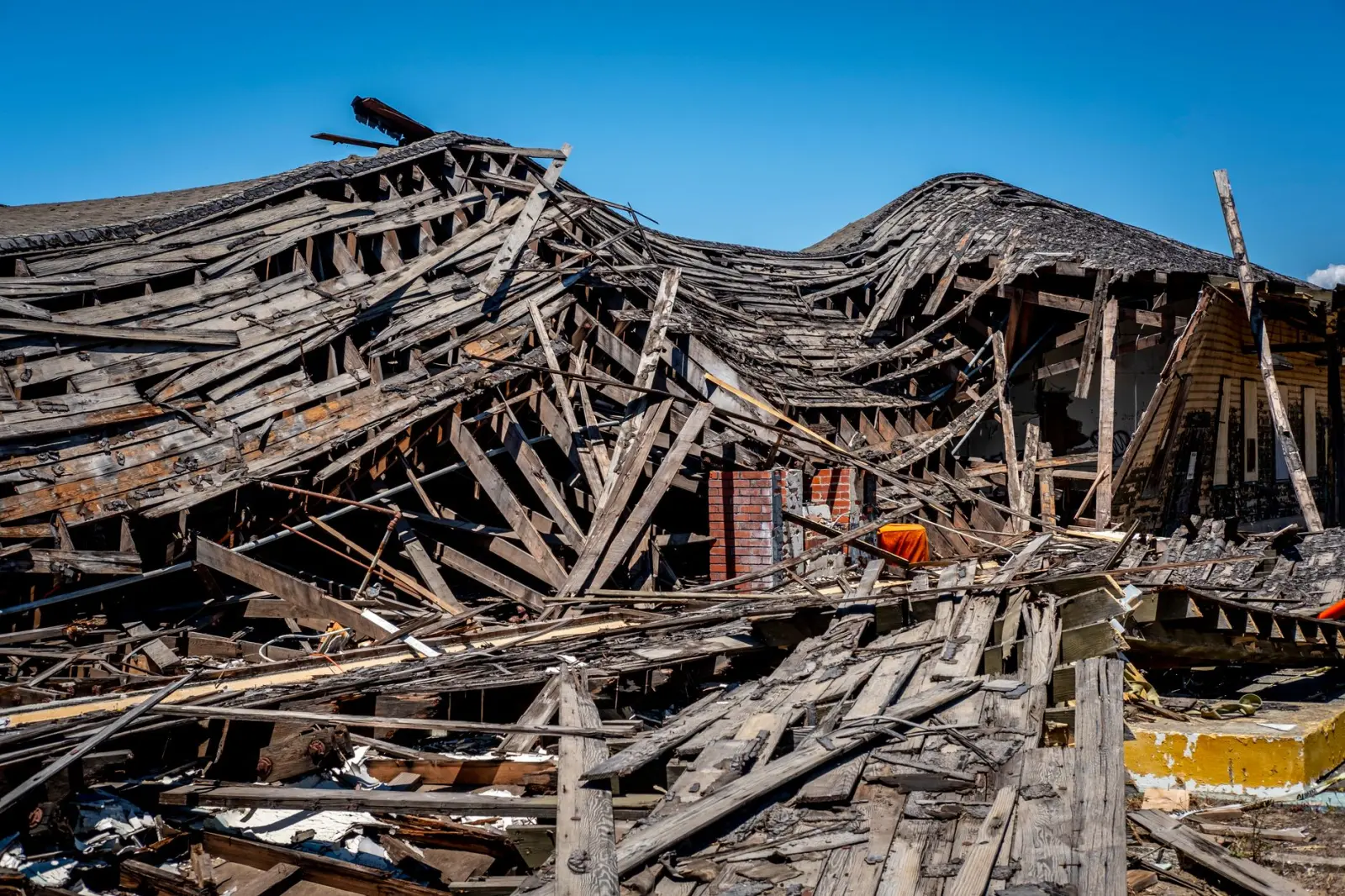
Roof failures are becoming more common. Not just from individual storms, but from the cumulative effect of more intense UV exposure, greater temperature swings, and more frequent weather events. Materials that were expected to last 30 or 40 years are failing in 20. Underlayment degrades faster. Flashing fails more often.
Pest and disease pressure is shifting. Termites are active longer in the year. Fungal growth accelerates in areas with higher humidity. Rust and corrosion happen faster. Wood-boring insects appear in regions where they weren’t previously established.
The practical reality for homeowners is that maintenance cycles are compressing. Things that needed attention every 10 or 15 years now need it every 5 or 7. Materials that were reliable are becoming less so. Systems that worked for decades are becoming inadequate.
What matters most is recognizing that this isn’t about preparing for some theoretical future. It’s about understanding that the climate your house was designed for is already changing, and the maintenance and upgrade decisions you make now will determine how well your property functions in the next 10, 20, or 30 years. The scenarios matter because they help frame what kinds of changes are worth planning for, and which ones are already worth addressing today.