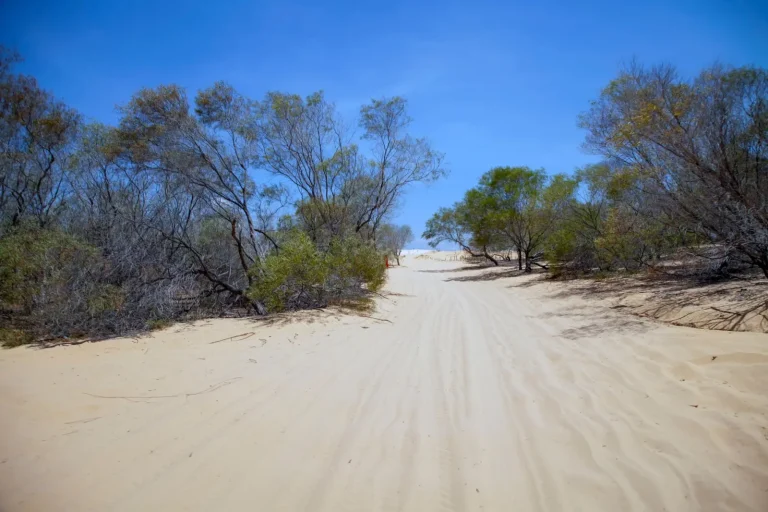

Over the past fifteen years, I’ve watched Australia’s native animals respond to conditions that are shifting faster than many people realize. It’s not dramatic overnight change – it’s the accumulated effect of warmer springs, drier summers in some regions, wetter winters in others, and the way these shifts ripple through entire ecosystems. The animals themselves don’t understand climate change as a concept. They just know that the timing of food availability has changed, water sources are less reliable, and the places they’ve always lived are becoming less hospitable.
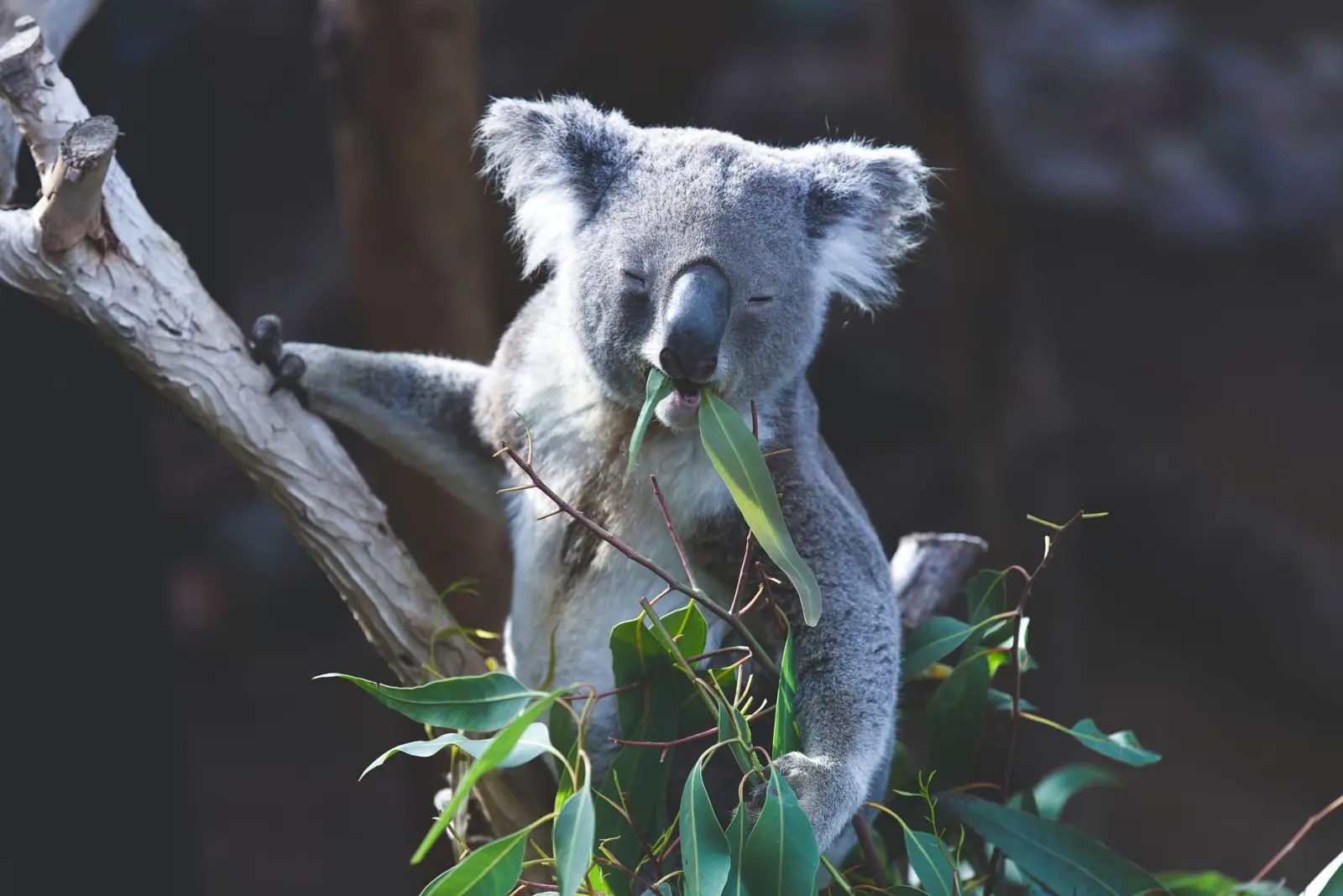
The most visible impact I’ve observed is in breeding cycles. Eucalyptus trees, which feed koalas and many other species, are responding to temperature and moisture patterns that are no longer predictable. When a koala’s breeding season arrives, the new leaf growth that provides nutrition may not have emerged yet, or it may have already passed peak nutritional value. This mismatch between animal behavior and plant phenology – the timing of growth and flowering – creates stress that compounds over generations. It’s not a single failed breeding season that matters. It’s the cumulative effect of repeated misalignment.
Water Availability and Habitat Contraction
Water is the limiting factor I see most often. In inland regions, seasonal water sources that have supported wildlife for thousands of years are becoming unreliable. Billabongs dry earlier. Creek flows are less predictable. Animals that depend on these water sources have to travel farther or move to different areas altogether. For species with small home ranges – like many small marsupials and ground-dwelling birds – this displacement can be fatal. They don’t have the behavioral flexibility to suddenly adapt to new territories.
The impact varies dramatically by region and species. Tropical species in northern Australia face different pressures than those in temperate zones. A sugar glider in Tasmania has entirely different water and temperature concerns than a bilby in the arid interior. But the common thread is that the margin for error is shrinking. Animals that once had buffer time during dry periods now face back-to-back droughts. Vegetation that recovered between fire seasons now faces fires that come too frequently for full regeneration.
Temperature Extremes and Thermal Stress
Heat waves are becoming more intense and lasting longer. I’ve seen this affect everything from nesting success in birds to the survival of young mammals. Wallabies and kangaroos can thermoregulate reasonably well, but their young are vulnerable during extreme heat. Bats, which already operate at the edge of their thermal tolerance, experience mass die-offs during prolonged heat events. A single week of temperatures above 40 degrees Celsius can kill thousands of flying foxes in a region.
What’s less obvious is how heat stress reduces reproductive success even when it doesn’t cause direct mortality. Female reptiles may struggle to find suitable nesting sites with the right temperature conditions. Incubation periods change. Sex determination in some species is temperature-dependent, so skewed sex ratios can emerge in populations. These effects cascade through the population over years, reducing genetic diversity and population resilience.
Shifting Seasonal Patterns and Food Chains
Spring now arrives earlier in many parts of Australia. Insects emerge sooner. Flowering happens on a different schedule. For insectivorous birds and small mammals, this can mean abundance arrives before they’re ready to breed, or the peak food availability passes before their young are born. I’ve documented cases where migratory birds arrive at their breeding grounds only to find that the insects they depend on have already peaked and declined.
The knock-on effects move through food webs quickly. If a key insect species becomes less abundant or shifts its timing, the birds and small mammals that eat them suffer. Predators that depend on those prey species then face scarcity. Herbivores face changing plant composition and nutritional value. It’s not a simple cause-and-effect chain – it’s a complex network of dependencies all shifting at different rates.
Some species are adapting their behavior. Certain bird populations have shifted their breeding times earlier to match earlier insect emergence. But this adaptation happens over generations, and not all species have the genetic flexibility to shift their breeding cycles quickly enough. The species that can’t adapt fast enough experience population declines.
Fire Regimes and Habitat Recovery
Fire is becoming more frequent and more intense across much of Australia. This isn’t entirely new – fire has always been part of the Australian landscape. But the fire season is starting earlier and lasting longer. The interval between successive fires in some regions has shortened to the point where vegetation can’t fully recover. Species that depend on specific post-fire habitats – like certain ground-nesting birds or plants that regenerate after fire – are struggling.
Animals that survive fires by sheltering in soil or burrows face repeated disturbance. Their refuges are destroyed before populations can rebuild. Species with long generation times and small population sizes are particularly vulnerable. A single intense fire can eliminate a local population of a rare species, and recovery becomes impossible if fire returns before natural recolonization can occur.
Range Shifts and Habitat Fragmentation
As conditions change, species are moving. Some animals are shifting their ranges southward or to higher elevations where it’s cooler. But this movement is constrained by habitat fragmentation. A species that needs to move fifty kilometers to find suitable conditions may find its path blocked by cleared land, urban development, or unsuitable habitat. Animals can’t simply walk around obstacles the way humans can plan routes.
I’ve observed populations of species that were once common becoming increasingly isolated in small pockets of suitable habitat. These isolated populations lose genetic diversity. They become more vulnerable to disease and local extinction. The species persists, but as a collection of small, struggling populations rather than a healthy, interconnected network.
What I find most significant is that these pressures don’t act in isolation. A species facing water stress is simultaneously dealing with altered food availability, more frequent fires, and potential heat waves. The cumulative effect is far more serious than any single stressor alone. Animals with narrow ecological requirements – those that depend on specific plants, specific water sources, or specific habitat types – are the most vulnerable. The generalists that can eat many foods, tolerate a range of temperatures, and adapt their behavior tend to persist, though often at reduced population sizes.
The wildlife that thrives in a warming, drying, more fire-prone Australia will likely be different from what we see today. Some species will adapt. Others will decline. The composition of Australian ecosystems is already changing, and that process will accelerate in the coming decades.