
After years of working on Australian homes, I’ve seen the double glazing question come up consistently, and the answer is never as straightforward as the sales pitch suggests. Whether it’s worth the investment depends heavily on where you live, what your current windows are doing, and how long you plan to stay in the house. The marketing around double glazing tends to gloss over the regional nuances that actually matter.
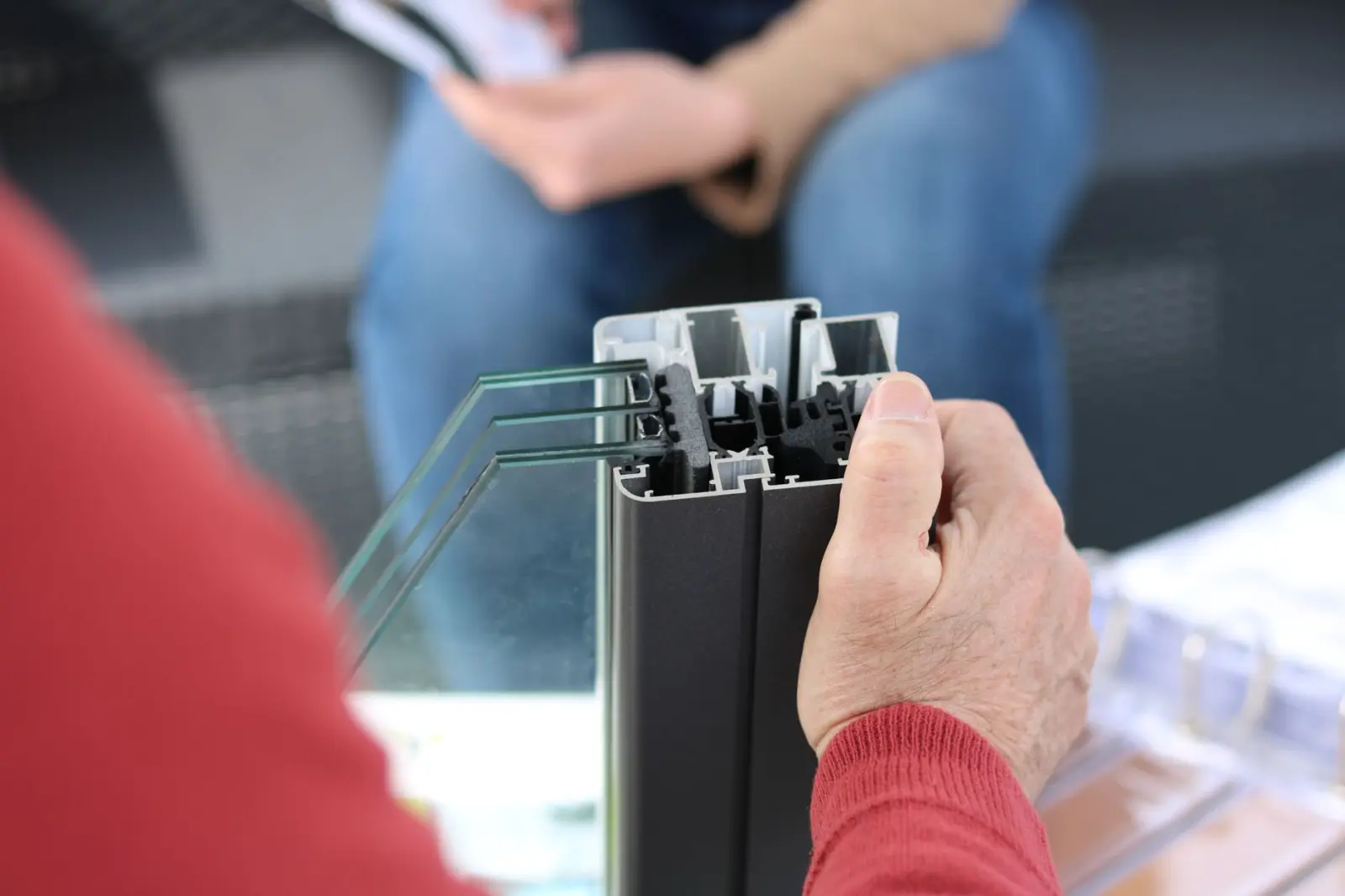
The fundamental appeal is obvious: two panes of glass with air or gas sealed between them should reduce heat transfer and noise better than a single pane. In theory, this means lower heating and cooling costs, less condensation, and a quieter interior. The problem is that Australia’s climate is fragmented. A solution that makes genuine sense in Melbourne or Canberra might deliver barely noticeable returns in Brisbane or Perth. And the upfront cost is substantial enough that you need to be realistic about payback periods.
Climate matters more than you’d think
In cooler southern regions, double glazing performs noticeably better. Melbourne, Canberra, and Tasmania experience genuine winter heating seasons where the temperature differential between inside and outside creates real thermal stress on windows. I’ve observed that homes in these areas do see measurable reductions in heating costs when they upgrade from single-pane to double-glazed windows. The condensation problem that plagues many older Melbourne homes – where moisture builds up on windows on cold mornings – genuinely improves with double glazing because the inner pane stays warmer.
The northern and coastal regions are a different story. Sydney, Brisbane, and the Gold Coast don’t have sustained winter heating demands. Summer cooling is the dominant energy load, and here’s where double glazing becomes less compelling: it helps a little with heat rejection, but the benefit is modest compared to what you’d get from external shading like awnings or quality blinds. I’ve installed double glazing in Brisbane homes where the owners expected significant air conditioning savings, and the reality was a 5 to 10 percent reduction in summer cooling load. That’s not nothing, but it’s not the game-changer the investment cost suggests.
Perth and Adelaide sit somewhere in the middle. They have hot, intense summers and mild winters. Double glazing helps with both, but again, the winter benefit is limited because heating isn’t a major expense. External shading and good ventilation strategy often deliver more noticeable comfort improvements than the window upgrade itself.
The cost-benefit calculation
A full-house double glazing retrofit typically costs between $8,000 and $15,000 depending on the number and size of windows and the quality of the frames. That’s a significant outlay. If you’re in Melbourne and you’re currently spending $1,500 annually on heating, a 20 to 30 percent reduction might save you $300 to $450 per year. That’s a 20 to 30-year payback period before you even account for inflation, maintenance, or the fact that energy prices don’t move in a straight line.
Where the calculation shifts is if you’re replacing windows anyway because they’re failing, drafty, or cosmetically worn. In that context, the incremental cost of upgrading to double glazing becomes more defensible. You’re not choosing between keeping old windows and installing double glazing; you’re choosing between single and double panes as part of a necessary replacement. That’s a different financial picture.
I’ve also noticed that homeowners often overestimate how much their energy bills will drop. The windows are one part of the thermal envelope. If your roof insulation is inadequate, your walls are uninsulated, or your doors are drafty, fixing the windows alone won’t deliver the savings you might expect. I’ve seen homes where double glazing was installed first, and the owners were disappointed because the real thermal weak points were elsewhere.
Noise reduction and comfort
The noise benefit is often understated in the financial analysis, but it’s real. If you live near a main road, airport, or railway line, double glazing can meaningfully reduce external noise. This is one area where the improvement is noticeable immediately and doesn’t depend on waiting for an energy bill to arrive. The acoustic performance of double glazing is legitimate, and if noise is a daily frustration, it might justify the investment on its own.
Condensation control is another genuine benefit in cooler climates. Older single-pane windows in Melbourne or Canberra often develop heavy condensation on winter mornings, which can lead to mold growth on window frames and sills. Double glazing reduces this significantly because the inner pane stays warmer. That’s not just a comfort issue; it’s a maintenance issue. Preventing mold and rot on timber frames saves money and hassle over time.
What often gets overlooked
Installation quality matters enormously. I’ve seen poorly installed double glazing that performs worse than it should because the frames weren’t sealed properly, the gas fill was compromised, or the frames themselves had thermal bridges that negated the benefit. A cheap installation can underperform by 20 to 30 percent compared to a quality job. This is one area where cutting costs backfires.
Frame material also affects performance and longevity. Aluminum frames conduct heat readily, which reduces the overall thermal benefit. Timber frames perform better thermally but require maintenance. Composite and uPVC frames offer a middle ground, though uPVC can become brittle in intense Australian sun over decades. I’ve seen uPVC window frames in Perth and northern NSW become brittle and prone to cracking after 15 to 20 years of exposure.
The lifespan question is worth considering. Double-glazed units don’t last forever. The seals can fail, allowing moisture to enter the cavity between panes, which creates a foggy appearance and eliminates the thermal benefit. I’ve seen this happen after 15 to 20 years in some installations, though quality units can last 25 to 30 years or longer. If you’re planning to sell or move within 10 years, the payback period becomes even longer.
When it makes sense
Double glazing makes the strongest case in Melbourne, Canberra, and Tasmania, where winter heating is a genuine expense and the thermal benefit is most pronounced. If you’re replacing windows anyway, the incremental cost becomes more reasonable. If noise is a significant issue, the acoustic benefit might justify the investment regardless of energy savings.
It makes less sense in Brisbane, the Gold Coast, and Darwin, where summer cooling dominates and the thermal benefit is marginal. In these climates, external shading, ventilation strategy, and air conditioning efficiency are typically better investments.
The honest assessment is that double glazing is a long-term play that works best when combined with other thermal improvements. It’s not a quick payback investment for most Australian homes. It’s a comfort and maintenance upgrade that, in the right climate and circumstances, delivers gradual energy savings over many years. The marketing tends to promise more than the reality delivers, but the reality is still worthwhile in the right situation.