
After working with hundreds of homes over the years, I’ve noticed that roof and attic insulation is one of those systems people tend to overlook until they feel a draft or see their heating bill spike. It’s not glamorous work, and most homeowners never see it once it’s installed. But the difference between a well-insulated attic and a poorly insulated one shows up immediately in how a house feels and, more measurably, in what people pay to heat and cool it.
The mechanics are straightforward enough. Heat moves from warm to cold, and it moves through air gaps with remarkable efficiency. In winter, warm air from your living spaces rises and escapes through the roof if there’s nothing stopping it. In summer, the sun beating down on your roof transfers heat into the attic, and that heat radiates downward into the rooms below. Insulation slows both of these processes by trapping air in its fibers or foam cells. The better the insulation, the longer it takes for heat to cross that barrier, and the less your heating and cooling systems have to run to maintain a comfortable temperature.
What I’ve observed most often is that homes built before the 1980s typically have minimal attic insulation, sometimes just a couple of inches of fiberglass batts or none at all. Those houses are noticeably harder to keep comfortable. Upstairs bedrooms in winter feel colder than downstairs rooms, even with the heat running. In summer, the opposite happens – upstairs becomes unbearably hot by mid-afternoon. That temperature stratification is a direct sign of insufficient insulation. When I’ve upgraded those same homes to modern R-values, the difference is tangible within days. The temperature becomes more uniform, and people stop fighting their thermostats.
Where the Real Payoff Happens
Energy consumption is where insulation makes its clearest mark. A furnace or air conditioner cycles on and off based on how quickly your home loses or gains heat. With poor insulation, that cycling happens constantly. The system runs hard, stops briefly when the setpoint is reached, then runs again as heat escapes. This frequent cycling is inefficient and wears equipment faster. Better insulation means longer, steadier run cycles and fewer starts and stops. The furnace or AC doesn’t have to work as hard to maintain your target temperature, so it runs less overall and uses less fuel or electricity.
I’ve measured this in homes before and after insulation upgrades. A typical retrofit from R-19 to R-38 or R-49 in the attic can reduce heating costs by 15 to 20 percent, sometimes more depending on climate and how tight the rest of the envelope is. That’s not a marketing number – it’s what homeowners report on their utility bills. In cold climates, the savings are often higher. In milder climates, the payback is slower, but it still accumulates over time.
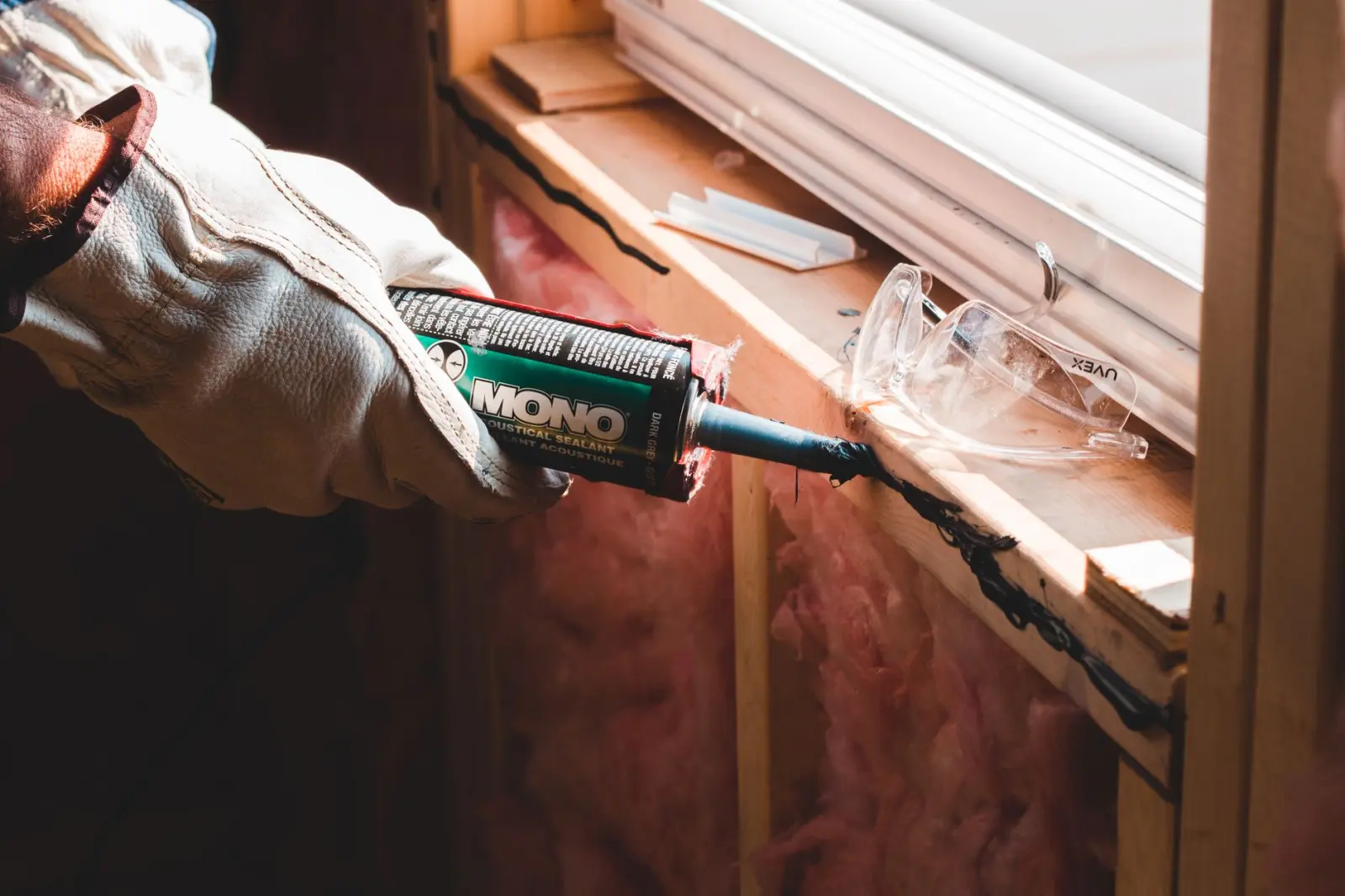
One detail that matters more than people realize is air sealing before insulation goes in. I’ve seen plenty of attics where insulation was added over gaps around electrical penetrations, plumbing vents, and the top plates of exterior walls. The insulation itself is fine, but it’s not doing its full job because conditioned air is still leaking past it. Proper air sealing – using caulk, foam, or gaskets to close those gaps – has to happen first. Without it, you’re insulating around the problem rather than solving it.
Comfort Beyond Temperature
Insulation affects comfort in ways that don’t show up on a thermometer. Radiant temperature is one of them. In a poorly insulated attic, the ceiling below feels cold in winter because heat is radiating upward and escaping. You can be sitting in a room with the air temperature at 72 degrees, but if the ceiling is at 55 degrees, you feel cold. Better insulation keeps that ceiling warmer, and the room feels more comfortable even at the same air temperature. Conversely, in summer, a well-insulated attic keeps the ceiling cooler, reducing the radiant heat load from above.
Humidity control is another factor. In many climates, particularly humid ones, a poorly insulated attic can allow moisture-laden air to reach the roof deck, where it condenses. This creates conditions for mold and wood rot. Better insulation, combined with proper ventilation, keeps the attic temperature closer to the outdoor temperature in winter, which reduces condensation. It’s a subtle but important part of maintaining the structural integrity of the roof.
Noise reduction is something people don’t always anticipate. Insulation absorbs sound. A well-insulated attic dampens the sound of rain on the roof, wind, and external traffic. Homes with poor attic insulation tend to be noisier inside because sound travels more freely through the attic space and down into living areas.
The Practical Reality of Upgrades
When I’m evaluating an existing home, I check the attic first. Current building codes in most climates call for R-38 to R-49 depending on location. Older homes often have R-11 to R-19. The cost to upgrade is typically moderate – blown-in fiberglass or cellulose over existing batts is the most common approach, and it’s relatively quick work. Spray foam is more expensive but offers better air sealing in one step.
The return on investment depends on your climate, current insulation level, energy costs, and how long you plan to stay in the home. In cold climates with high heating costs, payback can happen in 5 to 8 years. In moderate climates, it might take 10 to 15 years. But insulation doesn’t wear out like a furnace or roof. It sits there doing its job for the life of the house. Once it’s in place, there’s no maintenance, no replacement cost, and no moving parts to fail.
One thing I’ve learned is that insulation works best as part of a system. A well-insulated attic without proper ventilation can trap moisture. Good air sealing without insulation leaves cold spots. Insulation paired with an air-sealed envelope and adequate ventilation creates a home that’s genuinely more comfortable and efficient. It’s not a single fix, but insulation is usually the most cost-effective piece of that puzzle.