
After years of working in homes across different neighborhoods, I’ve watched how electricity – or the lack of it – shapes the actual quality of life people experience. It’s easy to take steady power for granted until something disrupts it. A blown transformer, an aging panel, a storm that knocks out lines for hours. These aren’t abstract problems. They hit your wallet, your comfort, and your ability to keep the things in your home functioning.
The economic weight of electricity becomes visible in places most people don’t think about until they have to. A refrigerator running constantly. A furnace cycling through winter. A sump pump in a basement that needs to work reliably or you’re looking at water damage. These systems don’t care about convenience – they need power, and they need it to be there when they’re called upon. Interrupt that supply, and the costs compound quickly.
The Real Cost of Power Interruptions
I’ve been in homes where a single outage lasting more than a few hours meant spoiled groceries, a thawed freezer full of meat, ruined medications that required refrigeration. One family lost nearly $400 worth of food in a 12-hour outage. That’s not unusual. Add in the cost of a service call to reset a furnace or reboot a water heater, and you’re already several hundred dollars deeper. For people living paycheck to paycheck, that’s not a minor inconvenience – it’s a financial crisis.
Then there’s the wear on appliances themselves. Voltage fluctuations, brown-outs, and sudden power surges damage electronics. I’ve seen refrigerators fail prematurely after repeated outages. HVAC systems struggle when they’re forced to restart under stress. These aren’t failures that happen overnight. They’re cumulative. A home in an area with unstable power supply will see its major appliances age faster and require replacement sooner. That’s money that could have gone elsewhere.
Businesses operating from homes – a home office, a small workshop, a rental property with tenants – face different but equally serious losses. Downtime means lost income. A freelancer whose internet router goes down because the power cut out loses billable hours. A landlord dealing with tenant complaints about no heat or no hot water faces legal liability and the cost of temporary solutions. These ripple outward.
Affordability and Access Shape Neighborhood Health
Electricity costs vary dramatically depending on where you live and what infrastructure serves your area. Rural properties often pay more for the same power because the utility has to maintain longer lines serving fewer customers. Older urban neighborhoods sometimes have aging infrastructure that’s less efficient, driving up costs. I’ve worked in homes where the monthly electric bill is a genuine burden – not a luxury expense, but a necessity that competes with food and medicine.
When electricity becomes unaffordable, people make difficult choices. Some reduce heating in winter or cooling in summer to dangerous levels. Others defer maintenance on electrical systems because they can’t afford the upfront cost, which then leads to bigger problems. A loose connection that could be fixed for $150 becomes a fire hazard that destroys a house. These aren’t hypothetical scenarios. I’ve documented them.
Neighborhoods where power is unreliable or expensive tend to see slower property appreciation. Buyers and renters factor in utility costs when evaluating a home. A house in an area known for frequent outages or high electric rates is harder to sell and commands lower prices. Property values reflect the reality of living there, and electricity is a core part of that reality.
Infrastructure Investment and Long-Term Stability
The systems that deliver electricity to homes are aging in many parts of the country. Transformers installed in the 1970s are still in service. Underground lines corrode. Above-ground poles rot or get damaged by weather. Utilities face pressure to maintain these systems while keeping rates low, and something has to give. The result is deferred maintenance that eventually shows up as outages, voltage problems, or equipment failures.
When a utility invests in modernizing infrastructure – upgrading transformers, burying lines, installing smart grid technology – those costs get passed to customers. It’s a real tension. Better reliability costs money. But the alternative – living with frequent outages and equipment damage – also costs money, just distributed across individual households rather than appearing as a line item on the bill. A home that never loses power is worth more and costs less to maintain over time.
I’ve noticed that homes in areas where utilities have invested in infrastructure upgrades tend to have fewer electrical problems. Newer transformers fail less often. Buried lines don’t get knocked down by ice storms. Homeowners in those areas spend less on emergency repairs and replacement appliances. The upfront cost of infrastructure improvement pays dividends for years, but it requires long-term thinking and investment that doesn’t always align with short-term budget constraints.
The Safety and Liability Side
Unreliable power creates safety hazards. Furnaces that cycle on and off erratically can develop problems. Sump pumps that lose power during a storm can’t prevent basement flooding. Water heaters that experience repeated power surges develop leaks. These aren’t just inconveniences – they’re liability issues. A homeowner who knows their power is unstable and doesn’t take precautions (backup generators, surge protection, alternative heating) is assuming real risk.
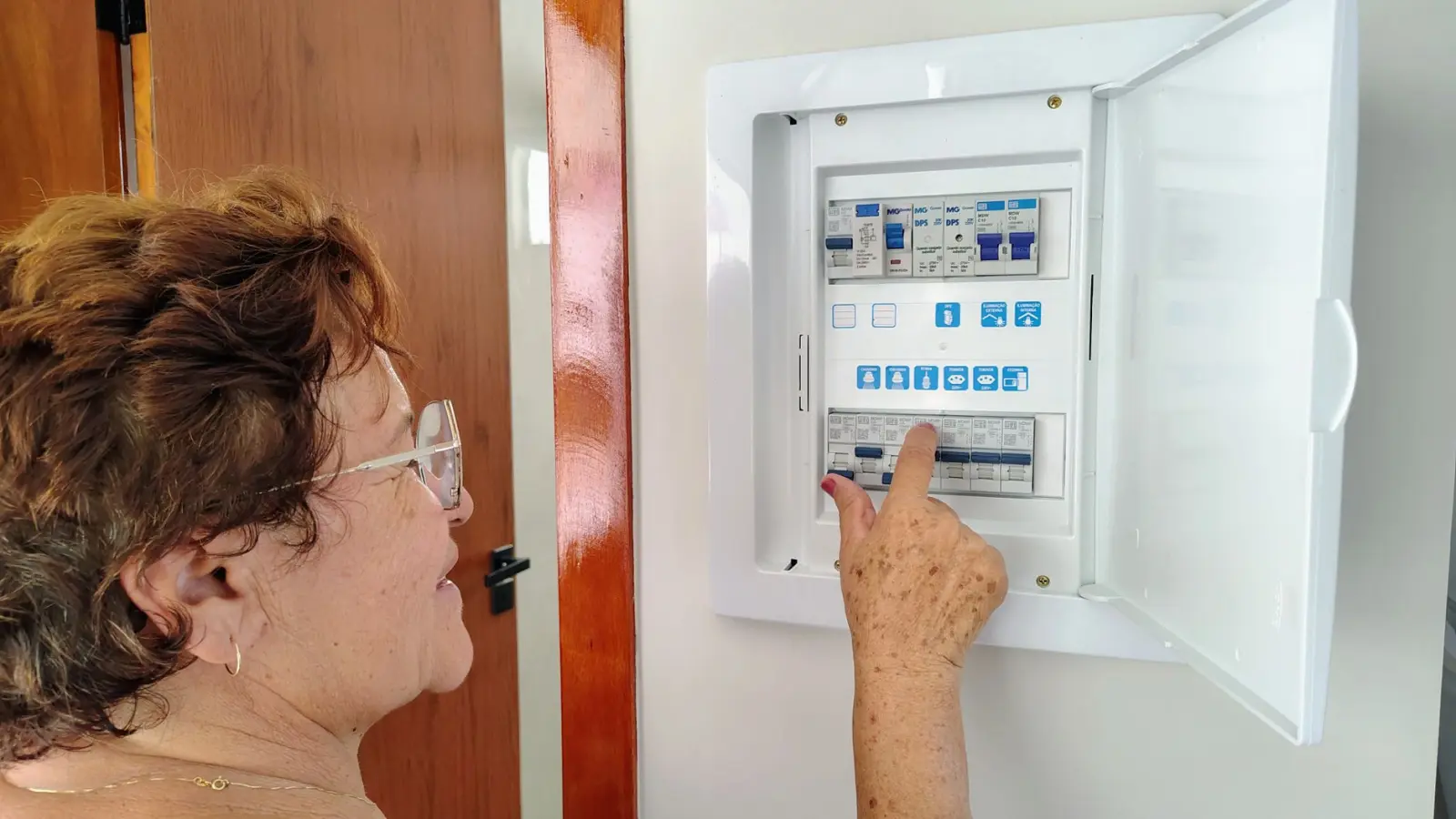
Older homes with electrical systems designed for lower power demands face another layer of risk. As homes accumulate more devices – electric vehicle chargers, heat pumps, modern appliances – the demand on aging panels and wiring increases. If the utility can’t reliably deliver the power needed, or if the home’s internal electrical system isn’t upgraded to handle modern loads, you get overheating, breaker trips, and potential fire hazards. The cost of upgrading a panel or service entrance is substantial, but living with an undersized system is genuinely dangerous.
I’ve worked with homeowners who’ve experienced electrical fires caused by aging infrastructure combined with increased demand. The damage goes far beyond the immediate fire. Insurance claims, temporary housing, rebuilding – the costs are catastrophic. And they often trace back to a combination of deferred maintenance and unreliable power supply that stressed an aging system beyond its limits.
The Practical Economics of Everyday Living
What makes electricity economically important isn’t abstract. It’s the difference between a working home and one where basic systems fail. A reliable power supply means appliances last longer, systems operate efficiently, and unexpected emergencies don’t drain savings. Affordable electricity means more money available for other necessities and less stress about monthly bills.
For renters, unreliable power is often a hidden cost of affordability. A cheap apartment in an older building with aging electrical infrastructure might seem like a good deal until the power cuts out regularly, food spoils, and the landlord is slow to fix problems. The savings on rent disappear into other costs.
For homeowners, the calculus is longer-term. A home in an area with stable, reasonably priced electricity is an asset that maintains value and operates predictably. One in an area with frequent outages or high rates is a liability that costs more to maintain and is harder to sell. Over a 20-year ownership period, the difference is substantial.
The economic importance of reliable and affordable electricity isn’t something you see in headlines, but it shapes the actual experience of living in a home. It determines whether your appliances last, whether your systems function safely, whether you can afford to heat and cool your space, and whether your property holds its value. These are the real, measurable impacts that matter to people living in houses.