
After years of working with residential battery installations across Australia, I’ve noticed that most homeowners arrive at the decision with incomplete information. They’ve usually read about payback periods and heard neighbours talk about their systems, but they don’t understand what actually happens when a battery sits in a garage or laundry for ten years, or why their system performs differently in summer than winter, or what genuinely determines whether the investment makes sense for their specific house.
The reality is simpler than the marketing suggests, but also more nuanced than a quick online comparison. Battery storage has become genuinely useful for Australian homes – particularly those with solar already installed – but the usefulness depends heavily on how the system is sized, where it’s placed, how it’s maintained, and what the owner actually needs it to do.
How batteries fit into Australian homes
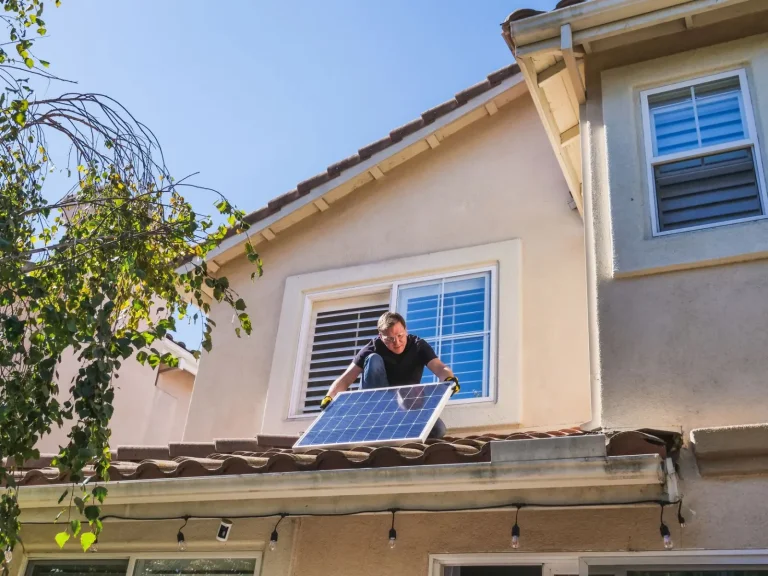
Most residential batteries in Australia are lithium-ion systems paired with existing rooftop solar. The basic principle is straightforward: excess solar energy charges the battery during the day, and stored energy powers the house at night or during periods when solar isn’t generating. Without a battery, excess solar generation simply flows back to the grid, and you buy power back at night at a higher rate than you’re paid for exports.
The appeal is obvious, but the execution matters enormously. A 10 kWh battery doesn’t store the same amount of usable energy in a Perth summer as it does in a Melbourne winter. Temperature affects chemistry. Depth of discharge – how much of the battery’s capacity you actually use before recharging – affects longevity. The inverter that converts DC power from the battery into AC power for your home has its own efficiency losses, typically around 90 to 95 percent. These aren’t flaws; they’re just the physics of the system.
I’ve seen installations where the battery was oversized for the home’s actual needs, meaning it rarely cycles deeply and sits partially charged most days. I’ve also seen undersized systems that hit their limits by mid-evening on a cloudy day, leaving the homeowner buying grid power anyway. The middle ground – matching battery capacity to actual daily surplus and evening consumption – requires honest assessment of usage patterns, not aspirational thinking.
Installation location and environmental stress
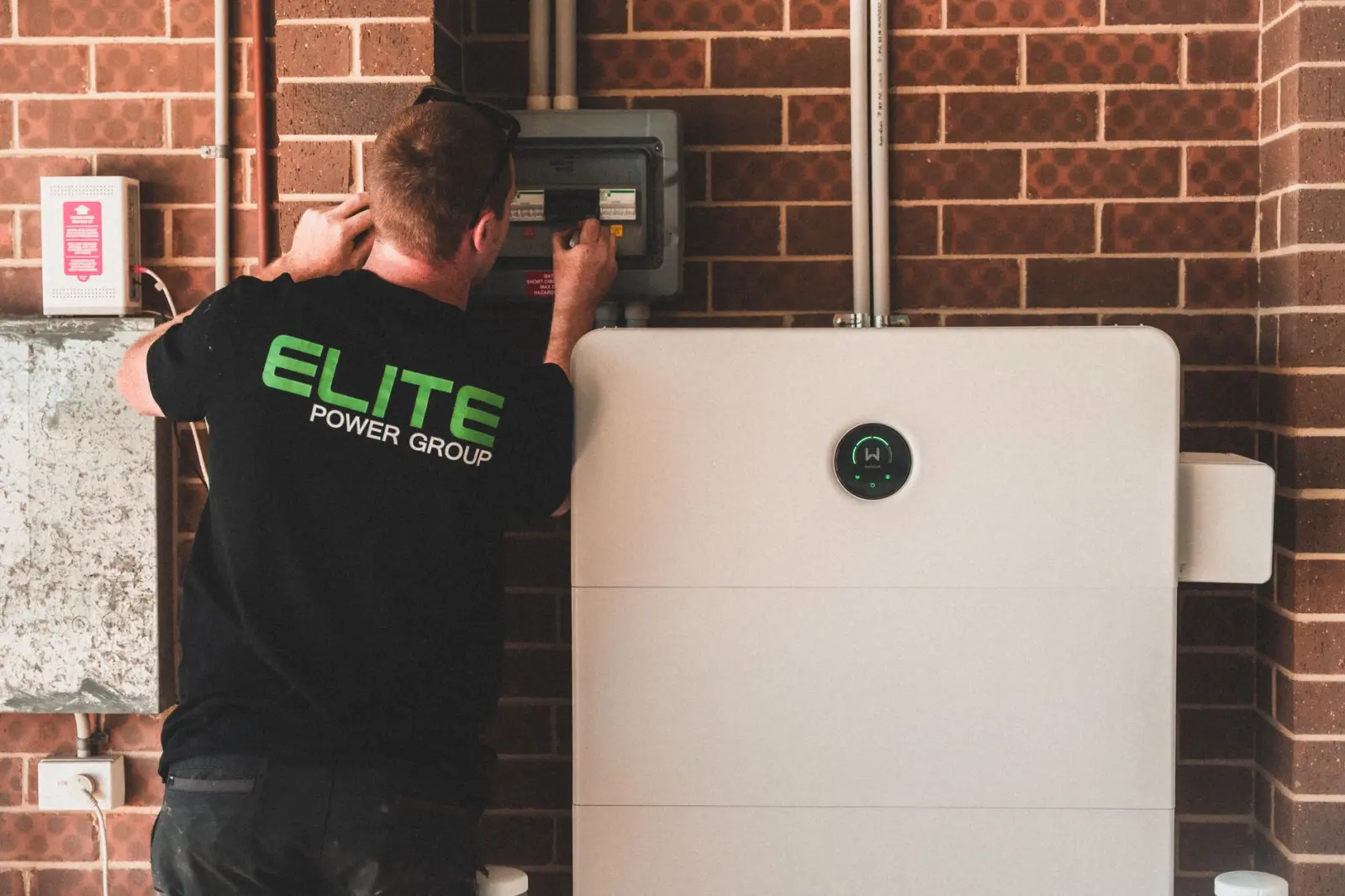
Where the battery lives in your home affects how long it lasts and how efficiently it operates. Batteries prefer stable temperatures. A garage in direct sun, particularly in Queensland or inland New South Wales, will see the battery working harder to manage its own temperature, which degrades the cells faster. A laundry or utility room with consistent temperature is better. A basement or underground space in cooler climates is ideal, though not many Australian homes have these.
Humidity matters too. Coastal properties with salt air, or homes in high-rainfall regions where condensation is common, need careful installation. The battery enclosure itself is sealed, but the surrounding environment affects the inverter and associated wiring. I’ve attended to installations where corrosion on terminals and connections became an issue within five or six years, not because the battery failed, but because the installation didn’t account for the local climate.
Vibration and noise are often overlooked. Inverters produce a low hum, particularly during heavy charging or discharging. If the battery is installed in a space adjacent to a bedroom, this can become noticeable at night when the house is quiet. It’s not dangerous or problematic for the equipment, but it’s a quality-of-life issue that should be considered during planning.
Performance across seasons and weather
Australian homes experience dramatic seasonal variation in solar generation and consumption. A battery installed in Sydney will behave very differently in June than in December. Winter generation is lower, evening consumption is higher, and the battery cycles more frequently. This is actually healthy for the battery – regular, moderate cycling is less stressful than sitting idle – but it means the system’s usefulness shifts with the seasons.
Cloudy periods are where batteries reveal their true value or limitation. A week of overcast weather in autumn means minimal solar generation and a battery that depletes without being recharged. If the battery capacity is too small, you’re buying grid power anyway. If it’s well-sized, you can coast through several days of poor weather without noticing. This is why understanding your local cloud patterns and seasonal rainfall is more useful than looking at annual average sunshine hours.
I’ve noticed that homeowners in areas with reliable summer sun often overestimate how much a battery helps them, because they’re thinking about summer performance. The real test is how the system handles a typical winter week. That’s when you find out whether your setup was realistic or optimistic.
Costs, payback, and honest timelines
Battery costs have fallen significantly over the past five years, but they’re still a substantial investment. A quality 10 kWh system with installation typically costs between $12,000 and $18,000 in most Australian states, depending on the brand, inverter type, and local labour rates. Smaller systems cost less per kilowatt-hour; larger systems benefit slightly from economies of scale.
Payback calculations are where marketing and reality diverge sharply. Most promotional material assumes high daily cycling and maximum export rates, which rarely reflects actual household behaviour. A more conservative approach is to calculate based on the difference between what you’d pay for grid electricity and what you save by using stored solar power. For most homes, this works out to a payback period of eight to twelve years, assuming electricity prices rise at historical rates and the battery performs as specified.
That’s not a short payback, but it’s not unreasonable for a system that lasts fifteen to twenty years. The question isn’t whether you’ll recover your money – most people will – but whether the timeline matches your plans for the property and your comfort with the investment.
Maintenance and what actually degrades
Lithium batteries don’t require active maintenance in the way lead-acid batteries do. There’s no water to top up, no terminals to clean, no electrolyte to monitor. What does matter is keeping the system cool, avoiding deep discharges every single day, and ensuring the inverter has adequate ventilation.
Most quality batteries are warranted for ten years with a capacity guarantee – typically 70 to 80 percent of original capacity by year ten. In practice, well-installed systems in stable environments often retain 85 to 90 percent capacity at ten years. Degradation is gradual and predictable, not sudden. You won’t wake up one morning with a dead battery; you’ll notice over months that it doesn’t hold quite as much charge as it used to.
The inverter is often the component that needs attention first. Capacitors and cooling fans have finite lifespans. I’ve seen inverters fail around year eight to ten, particularly in hot climates or installations with poor ventilation. Replacement costs are significant – typically $2,000 to $4,000 – but this is separate from battery degradation and should be factored into long-term planning.
Grid connection and export limits
Australian homes with batteries are still connected to the grid, and most states have rules about how much power you can export back to the grid. These limits vary by state and network operator, but they’re often around 5 to 10 kW. This doesn’t directly affect battery performance, but it does affect how much excess solar you can export if your battery is already full.
Some newer battery systems include sophisticated software that manages charging and discharging to work within these export limits and to take advantage of time-of-use electricity pricing. This is genuinely useful if your network offers variable rates, but it adds complexity. The system needs reliable internet connection, and if the software isn’t well-designed, it can create unexpected behaviour.
I’ve seen homes where the battery system was installed without clear understanding of the export limits, leading to frustration when excess solar couldn’t be exported during the day. This is an installation and planning issue, not a battery issue, but it affects perceived performance.
The decision to install a battery should rest on honest assessment of your home’s energy patterns, your financial timeline, and your local climate and network conditions. It’s not a universally good investment, but for homes with solar already installed, stable consumption patterns, and plans to stay in the property for at least eight years, it often makes practical and financial sense. The systems work reliably when properly installed and matched to actual needs. The mistakes happen when expectations don’t align with reality.