
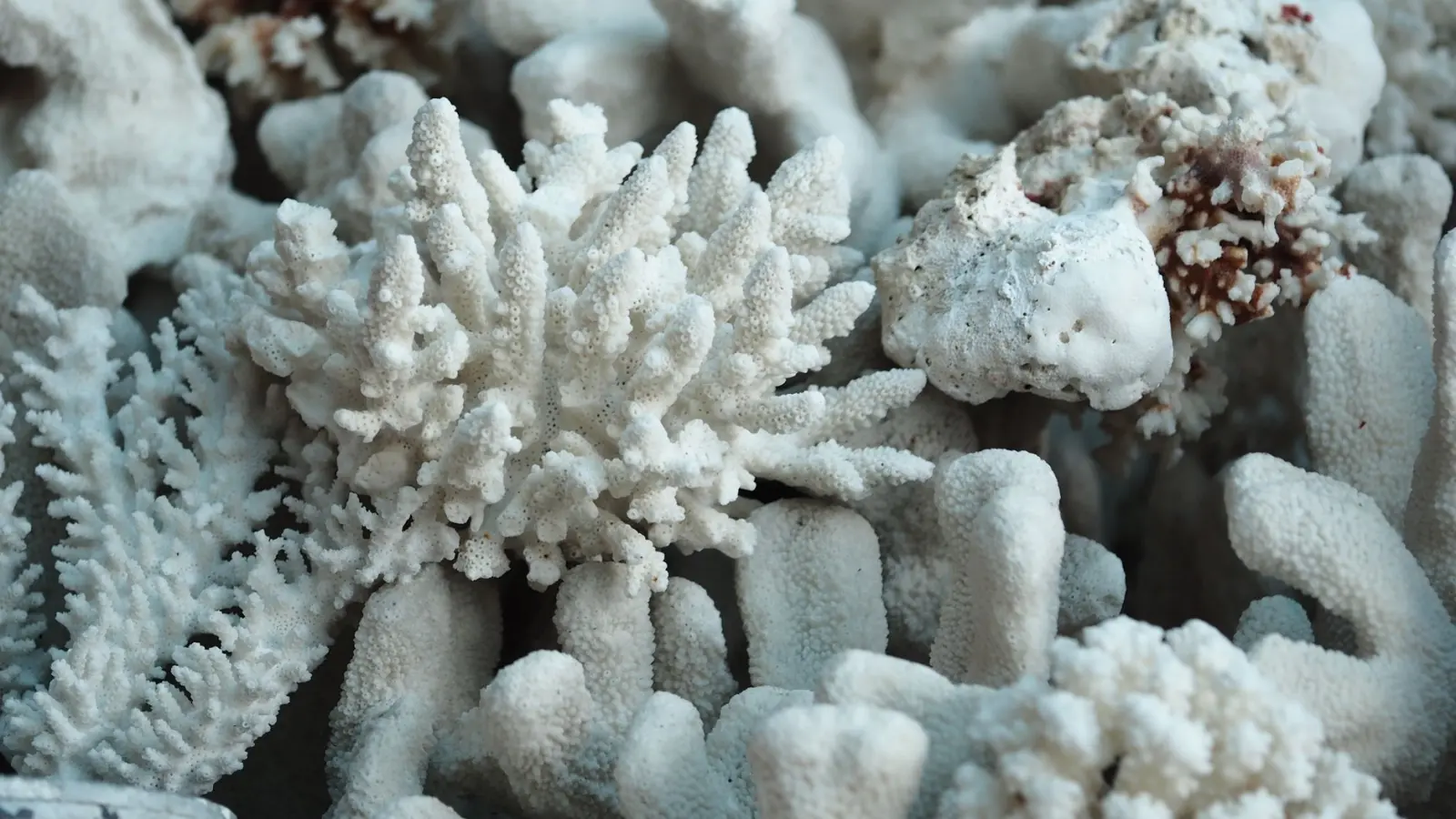
I’ve spent enough time observing reef systems to recognize the pattern. When water temperature climbs even a degree or two above what corals have adapted to, the relationship between coral and its symbiotic algae begins to fray. The algae – zooxanthellae – live inside coral tissue and provide the energy the coral needs to survive. Heat stress causes the coral to expel these algae as a defense mechanism, which sounds protective until you realize the coral is essentially cutting off its own food supply. Within weeks, the reef turns ghostly white. That’s bleaching.
What strikes me most is how quickly this can happen and how little margin for error exists. Corals operate within a narrow thermal window. The Great Barrier Reef, for instance, thrives in waters between roughly 23 and 29 degrees Celsius. Push it beyond that sustained range, and the system starts to destabilize. The bleaching events of 2016 and 2020 weren’t anomalies – they were the result of cumulative warming that has shifted baseline temperatures upward across the entire reef system.
The damage compounds because bleached coral doesn’t simply recover if temperatures drop again. Survival depends on timing, duration of stress, and the coral’s existing health. A coral that’s been stressed multiple times in a decade has less capacity to bounce back than one experiencing its first bleaching event. The reef’s resilience erodes with each cycle.
What Happens During and After Bleaching
When I observe a bleaching event, the progression is methodical and sobering. The coral loses its color within days as the zooxanthellae are expelled. If temperatures normalize quickly – within a few weeks – the coral can sometimes reabsorb the algae and recover. But sustained heat means the coral’s energy reserves deplete. Without the algae, the coral can’t photosynthesize or produce the nutrients it needs. Starvation becomes the real threat.
Even corals that survive bleaching emerge weakened. They’re more susceptible to disease, less able to reproduce, and slower to grow. A reef that experiences back-to-back bleaching events in consecutive years doesn’t get the recovery window it needs. The 2016-2017 bleaching on the Great Barrier Reef killed roughly 30 percent of corals in the northern section. When another heat wave hit in 2020, that already-damaged ecosystem had far less capacity to absorb the shock.
The ecological consequences ripple outward. Corals form the structural foundation of reef ecosystems. When they die, fish lose shelter and feeding grounds. Species that depend on coral for food or habitat decline. The reef shifts from a complex, biodiverse system to something simpler and less stable. I’ve seen reefs transition from thriving communities to rubble fields in less than a decade.
Temperature Trends and Reef Vulnerability
Ocean temperatures have risen roughly 1.1 degrees Celsius since pre-industrial times, and that warming isn’t evenly distributed. Tropical reef systems are experiencing faster warming than global averages. The Great Barrier Reef has warmed by approximately 0.16 degrees per decade over the past century, with acceleration in recent decades. That might sound minimal, but for a system calibrated to specific temperature ranges, it’s substantial.
What complicates the picture is that temperature doesn’t rise in a straight line. Marine heatwaves – periods of anomalously warm water lasting weeks or months – are becoming more frequent and intense. These sudden spikes are harder for corals to tolerate than gradual warming because there’s no time for physiological adjustment. A heatwave that pushes temperatures 2 degrees above normal for eight weeks can trigger mass bleaching even if the annual average temperature hasn’t changed dramatically.
The reef’s location near the equator means it already operates near its thermal maximum. Unlike some ecosystems that might adapt or shift northward, the Great Barrier Reef is constrained by geography. Cooler water lies deeper, but corals need sunlight for their symbiotic algae to function. There’s no refuge that preserves both conditions.
Secondary Stressors Amplify the Damage
Temperature alone doesn’t tell the whole story. Corals facing heat stress are simultaneously exposed to other pressures that reduce their resilience. Water quality degradation from agricultural runoff and coastal development weakens corals before thermal stress even arrives. Overfishing removes herbivorous fish that keep algae in check, allowing algae to outcompete recovering corals. Acidification from increased atmospheric carbon dioxide makes it harder for corals to build their skeletons.
I’ve observed reefs where a bleaching event that might have been survivable became catastrophic because the reef was already compromised by poor water quality or disease. The reef’s margin for error shrinks with each additional stressor. A healthy reef with good water quality and intact fish populations has better odds of surviving a bleaching event than a reef already weakened by pollution and overfishing.
What Recovery Actually Looks Like
Recovery from bleaching is possible but slow and uncertain. Some corals can regain their zooxanthellae within weeks if conditions improve. But full reef recovery – rebuilding structural complexity, restoring fish populations, and reestablishing ecological function – takes years or decades, if it happens at all. I’ve monitored reefs that showed initial recovery only to crash again when another heat wave arrived before they’d fully stabilized.
The frequency of bleaching events matters more than the severity of individual events. A reef can absorb one major bleaching if given adequate time to recover. But when bleaching events occur every few years instead of every decade or more, recovery becomes impossible. The reef never reaches the threshold where it can rebuild resilience. This is where the Great Barrier Reef now finds itself – in a cycle of repeated stress that prevents full recovery between events.
Localized interventions like water cooling systems or assisted breeding of heat-resistant corals show promise in limited settings, but they’re not scalable solutions for an entire reef system. The fundamental issue – sustained warming of ocean temperatures – requires addressing the drivers of climate change. Without that, even well-managed reefs face an increasingly difficult future. The reef’s capacity to persist depends on whether global temperatures stabilize or continue rising. Everything else is management of decline.