
After years of working in homes, I’ve noticed that most people buy light fixtures the way they buy furniture – by appearance alone. They see something attractive in a showroom or online, install it, and then spend months adjusting dimmer switches or adding lamps because the room doesn’t feel right. The fixture itself may be perfectly fine, but it’s wrong for what that space actually does.
Lighting isn’t really about the fixture. It’s about how light behaves in a specific room and what tasks happen there. A beautiful pendant that works beautifully over a kitchen island might cast harsh shadows across a dining table in the same home. A recessed ceiling system that feels clean and modern in a living room can make a bedroom feel cold and institutional. The difference comes down to understanding what each room demands, not what looks good in isolation.
Separating Task, Ambient, and Accent Light
The most useful framework I’ve found divides interior lighting into three categories, though most rooms need some combination of all three rather than just one. Task lighting is direct, focused light for specific activities – reading, cooking, applying makeup, working at a desk. Ambient lighting is the general illumination that fills a room, the baseline that lets you move around safely and see what’s there. Accent lighting highlights architectural features, artwork, or creates visual interest.
The problem most people run into is treating these as separate systems when they should overlap and support each other. A kitchen needs strong task lighting over counters and the stove, but if that’s all you have, the room feels like an operating theater at night. You need ambient light filling the space – perhaps from recessed fixtures or a flush-mount ceiling light – so the task lights don’t create a tunnel effect. Similarly, a bedroom with only ambient ceiling light feels flat and lifeless, but adding a bedside reading lamp and perhaps a dimmed accent light on a feature wall creates layers that feel more natural.
How Room Size and Ceiling Height Actually Matter
I’ve installed the same fixture in two identical rooms and had completely different results based on ceiling height. A standard eight-foot ceiling in a bedroom can handle a semi-flush or low-hanging pendant without feeling cramped, but that same fixture in a nine-foot master bedroom looks undersized and creates dead space above it. The fixture doesn’t change, but the room’s proportions do.
Ceiling height also affects how light distributes. In rooms with lower ceilings, recessed lights tend to create visible hot spots because they’re closer to eye level. In rooms with higher ceilings, those same fixtures blend better into the overall illumination. This is why a recessed system that looks clean and professional in a living room with nine-foot ceilings might feel harsh and uneven in a basement with a seven-foot ceiling, even if the number of fixtures is identical.
Room size influences how much light you actually need, but not always in the way people expect. A small room doesn’t necessarily need less total light – it needs light distributed differently. A narrow hallway with a single overhead fixture might feel dim and shadowy because the light is concentrated in one spot. Adding a wall sconce or two spreads the light more evenly, and the room suddenly feels brighter even though you’ve added fixtures rather than upgrading the central one.
Kitchen and Cooking Spaces
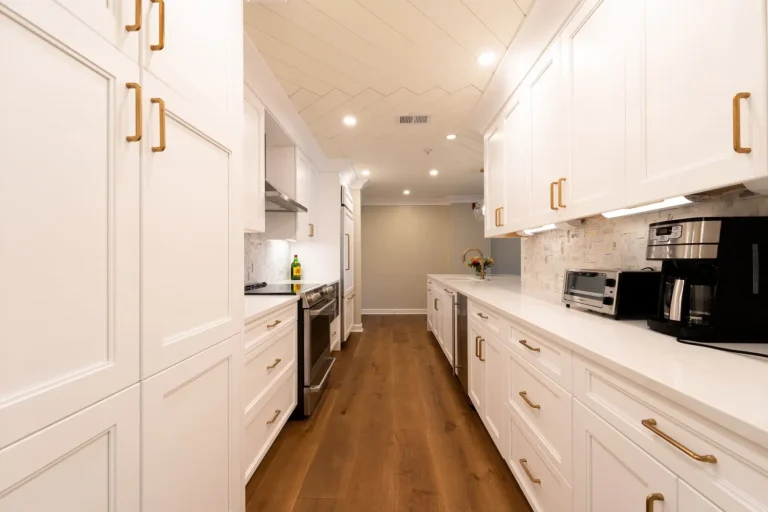
Kitchens are where I see the most frustration with lighting choices. Most kitchens start with a single overhead fixture, often a flush-mount in the center of the room. This creates shadows directly under cabinets where you’re actually working. You can’t see what you’re cutting, and the countertop becomes a dark zone.
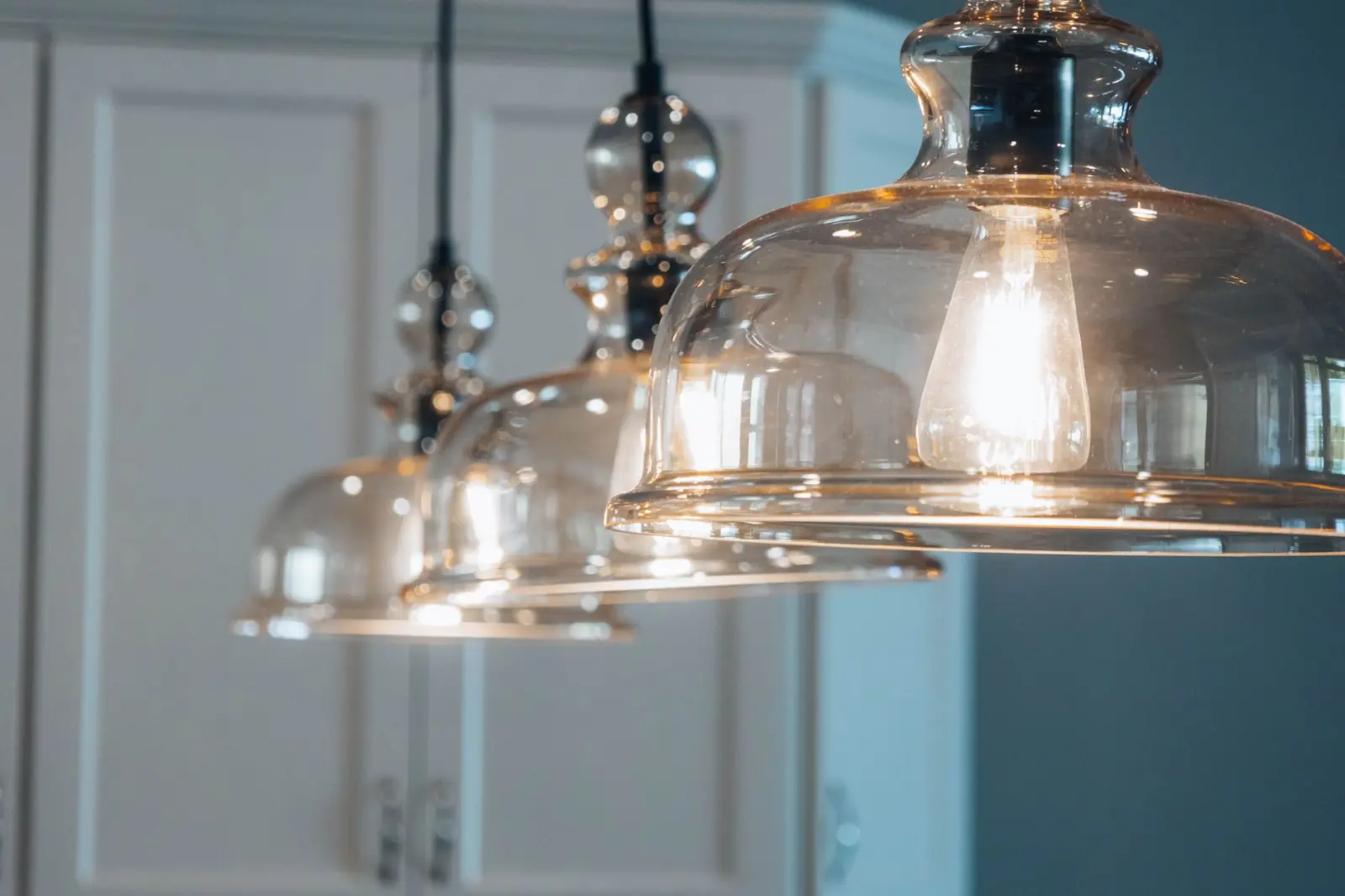
The fix isn’t always replacing the overhead light. It’s adding under-cabinet task lighting – either LED strips or puck lights mounted on the underside of wall cabinets. This puts light exactly where you need it, on the work surface. The overhead light then becomes ambient illumination that fills the space and balances the task light. If your kitchen has an island, pendant lights hung 30 to 36 inches above the surface provide focused light for that workspace without creating shadows across the rest of the kitchen.
The color temperature of kitchen lighting matters more than most people realize. Warmer light (2700K) can make food look appetizing but makes it harder to see detail when you’re working. Cooler light (4000K) shows true colors and detail but can feel institutional. Many kitchens work best with a blend – cooler task lighting over work areas and warmer ambient light elsewhere. This gives you visibility where you need it and warmth in the rest of the space.
Living Rooms and Flexibility
Living rooms are the hardest spaces to light because they serve multiple purposes. During the day, you might want bright, energizing light. In the evening, you want something warmer and more relaxed. You might watch television, read, have conversations, or work on a laptop. No single fixture can handle all of this well.
The homes I’ve seen work best have multiple light sources at different levels. A ceiling fixture or recessed system provides baseline ambient light. Floor lamps in corners add secondary illumination and create visual interest. A table lamp on a side table provides task light for reading. Wall sconces flanking a fireplace or artwork add accent light. None of these are particularly bright on their own, but together they create flexibility. You can dim the ceiling light in the evening and rely on the lamps, or brighten everything for a gathering.
Dimmer switches are essential in living rooms. A fixture that feels too bright at night might be just right during the day. Rather than choosing between bright and dim, dimmers let a single fixture adapt to different times and moods. This is one of the few upgrades I consistently recommend as worth the cost.
Bedrooms and Relaxation
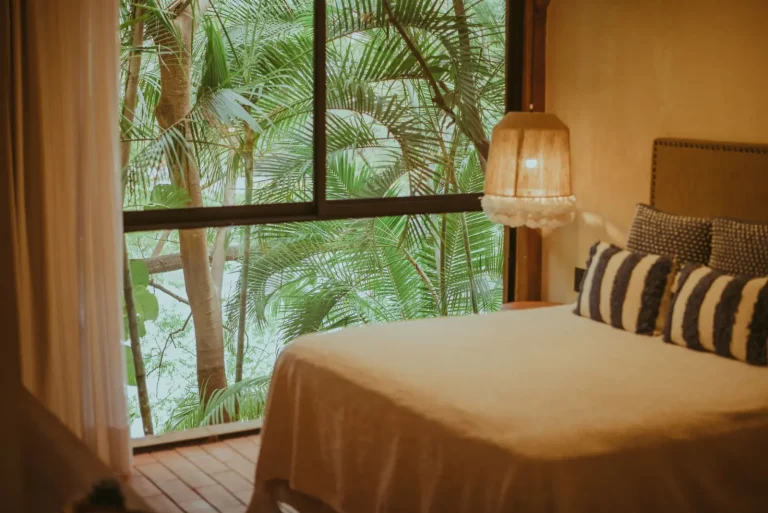
Bedrooms need to feel calm, which means avoiding harsh overhead light. A bright ceiling fixture right above the bed is functional but not relaxing. Most bedrooms work better with softer ambient light and task lighting for specific needs.
Bedside reading lamps are essential if anyone in the room reads in bed. These should be positioned to light the book without shining in your partner’s eyes – a small-shade lamp on a nightstand works better than a large, bright fixture. If you have a ceiling fixture, it should be dimmable and ideally on a separate circuit from the bedside lamps so you can control them independently.
Wall sconces on either side of the bed can replace nightstands entirely in some layouts and provide softer, more diffused light than a ceiling fixture. They also eliminate the need for table space, which matters in smaller bedrooms. If you use sconces, make sure they’re mounted at a height where the light hits you in the face when you’re sitting up in bed – typically 48 to 60 inches from the floor.
Bathrooms and Practical Concerns
Bathroom lighting is often overlooked until something goes wrong. Poor lighting makes grooming difficult and can make skin look unhealthy. Vanity lighting should be bright enough to see detail but not so harsh that it’s unflattering. Lighting on both sides of the mirror works better than a single fixture above it, which creates shadows under the eyes and nose.
Moisture is a real concern in bathrooms. Fixtures need to be rated for bathroom use, and any recessed lights should be rated for wet locations if they’re near the shower or tub. Exhaust fans with integrated lighting can work well in small bathrooms, but they’re often too dim for grooming if that’s the only light source. Most bathrooms benefit from a combination – bright vanity lights for grooming and a separate ceiling fixture or exhaust fan light for general illumination.
Color temperature in bathrooms should be neutral to slightly cool. Warm light can make the space feel cramped, and very cool light can feel clinical. Around 3000K to 4000K is usually a good balance.
After installing lighting in hundreds of rooms, the pattern is clear: the best lighting isn’t the most expensive or the most stylish. It’s the lighting that matches what actually happens in the room and adapts to different times of day and different moods. Start by thinking about how you use the space, what tasks happen there, and what time of day matters most. Then build a system of fixtures that work together rather than trying to make one perfect fixture do everything. The results feel more natural, more flexible, and ultimately more livable.