
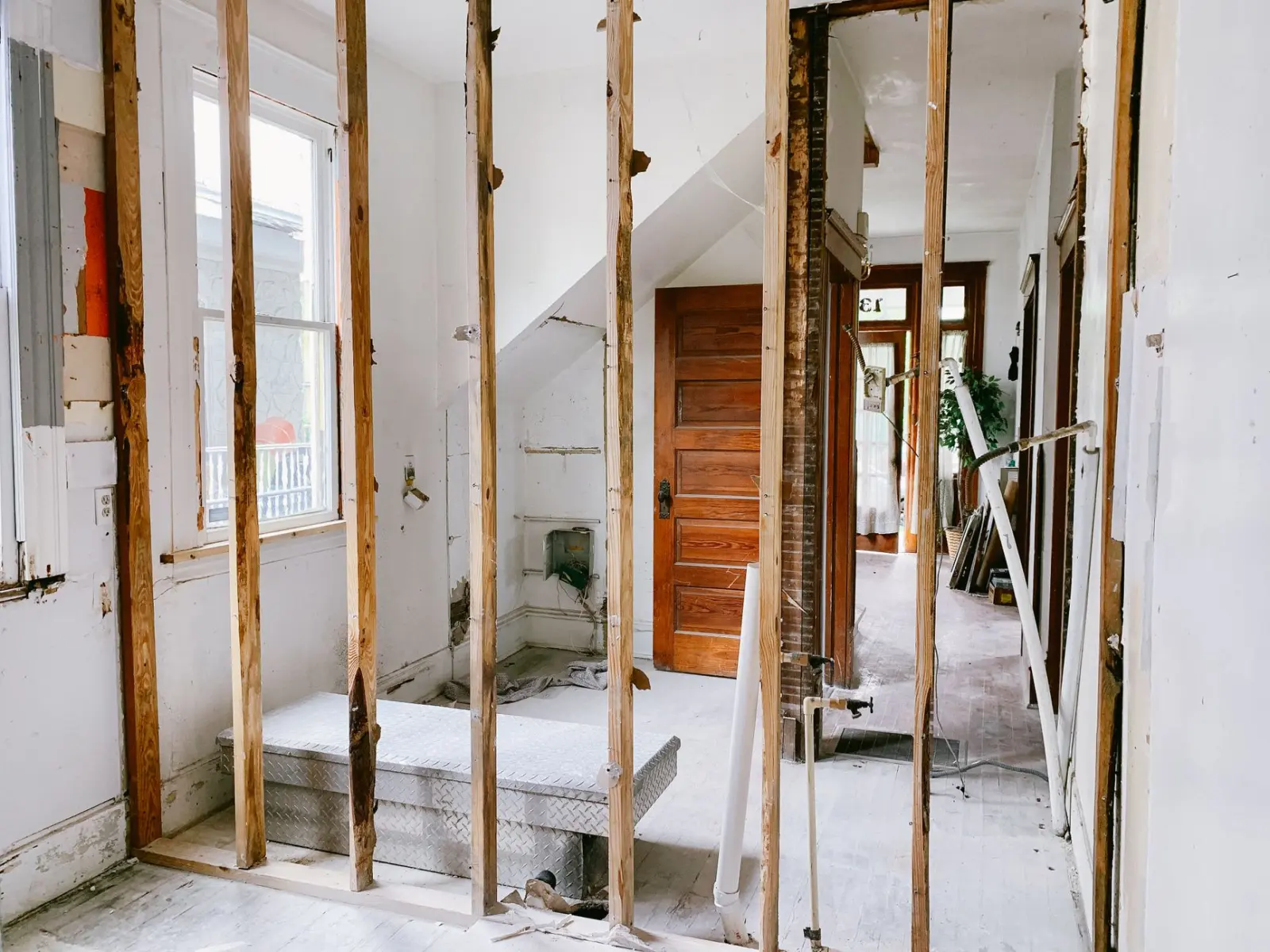
When a renovation is underway, there’s a narrow window where walls are open, electricians are running new circuits, and contractors are already moving through your home. Most homeowners focus on aesthetics and functionality during this phase – new kitchen, updated bathrooms, fresh flooring. Security often gets pushed to the end of the list, treated as an afterthought once the dust settles. In practice, that’s when it becomes expensive and disruptive to add properly.
I’ve watched this pattern repeat across dozens of projects. A homeowner completes a major renovation, then six months later realizes they want a hardwired security system, or they need additional cameras positioned strategically, or they want reinforced entry points. By then, walls are closed, finishes are in place, and running conduit or repositioning door frames becomes a costly change order. The work that could have been coordinated during the initial project now requires selective demolition and patching.
The real value in planning security during renovation isn’t about installing expensive systems before you’re ready. It’s about creating the infrastructure and structural foundation that makes future security work seamless and affordable. There’s a meaningful difference between those two approaches.
Conduit and Wiring Pathways
The most practical security-related work happens when walls are already open. Running conduit for future camera cables, alarm wiring, or smart home connections costs a fraction of what it costs to fish wires through finished walls or run surface-mounted conduit after the fact. Many contractors will run empty conduit – PVC or metal – during framing or rough-in phases at minimal additional cost. You don’t need to install cameras or sensors immediately. You’re simply creating the pathway so that when you’re ready, installation is straightforward.
I’ve seen homes where conduit was run to the perimeter during renovation, and five years later the homeowner added a camera system in an afternoon. I’ve also seen homes where no planning was done, and running the same system required cutting into finished siding, drilling through exterior walls, and dealing with exposed conduit that never looked quite right. The difference in cost and disruption is substantial.
Think about entry points, garage areas, and blind spots around the property. If you’re already opening walls for HVAC or electrical work, adding empty conduit to those locations is logical. It doesn’t commit you to any specific system or timeline. It simply removes a future obstacle.
Reinforced Entry Doors and Frames
Door frame replacement is common during renovation, especially if you’re updating exterior doors or adding new ones. This is the moment to specify reinforced frames and solid-core or metal doors at entry points. The material cost difference between a standard hollow-core door and a solid-core door is modest – perhaps two to three hundred dollars. The installation cost is identical because the work is happening anyway.
What changes significantly is the labor cost if you try to upgrade entry doors after the renovation is complete. You’re paying for selective demolition, new installation, and finishing work that should have been coordinated from the start. More importantly, if you’ve already finished the surrounding trim and hardware, matching materials and finishes becomes complicated.
Strike plates and reinforced hinges fall into the same category. These are inexpensive additions that make a measurable difference in forced-entry resistance, and they’re easiest to install during the initial door and frame work. Retrofitting them later is possible but awkward.
Window Upgrades and Security Considerations
If your renovation includes window replacement, you’re already dealing with the disruption and cost of that work. This is the logical time to consider security-relevant features. Tempered glass, laminated glass, or impact-resistant windows are more expensive than standard windows, but the premium is smaller when they’re part of the initial specification rather than a later upgrade.
Window locks and security bars are another consideration. Some homeowners dismiss bars as unattractive, and that’s a valid aesthetic concern. But if you’re replacing windows in a basement or ground-level bedroom, adding locking mechanisms or removable bars during installation is far simpler than retrofitting them. The structural preparation – reinforcing the frame, ensuring proper mounting points – happens during the initial work.
Basement windows, in particular, are frequent entry points for break-ins. If your renovation touches basement work, it’s worth thinking about whether you want enhanced security on those windows. The decision doesn’t need to be made immediately, but the infrastructure should be planned.
Electrical Capacity and Smart Home Wiring
Modern security systems often integrate with smart home networks. Cameras, locks, and sensors increasingly rely on reliable power and network connectivity. During renovation, when electrical work is being done anyway, it’s practical to ensure adequate circuits and outlets are available for future security devices. You might not install a smart lock or security system today, but having the electrical infrastructure ready means you’re not limited by power availability later.
Similarly, network wiring or conduit for future network upgrades is easier to plan during renovation. If your contractor is already running new electrical circuits and data lines for other purposes, adding additional capacity for security devices is a minor addition.
Outdoor Lighting and Visibility
Exterior lighting is often overlooked in security planning, yet it’s one of the most effective deterrents. Motion-activated lights, pathway lighting, and well-lit entry areas reduce the appeal of a property to potential intruders. If your renovation includes exterior work – new siding, deck construction, or landscaping – it’s the right time to plan lighting positions and run any necessary conduit or wiring.
Hardwired outdoor lighting is more reliable and less maintenance-intensive than battery-operated alternatives. Installation during renovation, when exterior work is already happening, is far simpler than retrofitting it later. You avoid the cost of cutting into finished siding or running surface-mounted conduit across your home’s exterior.
Planning Without Overcommitting
The key distinction here is the difference between planning infrastructure and installing full systems. You don’t need to buy a security system before you’re ready, and you don’t need to commit to specific devices or technologies during renovation planning. What you’re doing is creating the foundation – conduit, reinforced frames, adequate electrical capacity, wiring pathways – that makes future security work affordable and non-disruptive.
This approach also gives you time to research systems and make informed decisions about what actually fits your home and habits. Some homeowners find that hardwired systems work best for their situation. Others prefer wireless options. Some want professional monitoring, others prefer self-monitoring. By planning infrastructure during renovation but delaying device selection, you preserve flexibility while capturing the cost and convenience benefits of coordinated work.
The homes I’ve seen age best are the ones where the owners thought through these details during major work and then adapted their security approach as their needs and technology options evolved. The ones that feel compromised are the ones where security was genuinely an afterthought, and every upgrade required working around finished surfaces and existing infrastructure. Renovation is the moment to change that trajectory.