
After spending years working on homes across different Australian climates, I’ve noticed that interior design trends here don’t follow the same pattern as overseas markets. What works in a London townhouse or a California bungalow often feels awkward when you apply it to a Brisbane weatherboard or a Melbourne terrace. The trends that actually stick are the ones that solve real problems – managing heat, dealing with glare, making spaces feel bigger when land is expensive, and creating rooms that work for how Australian families actually live.
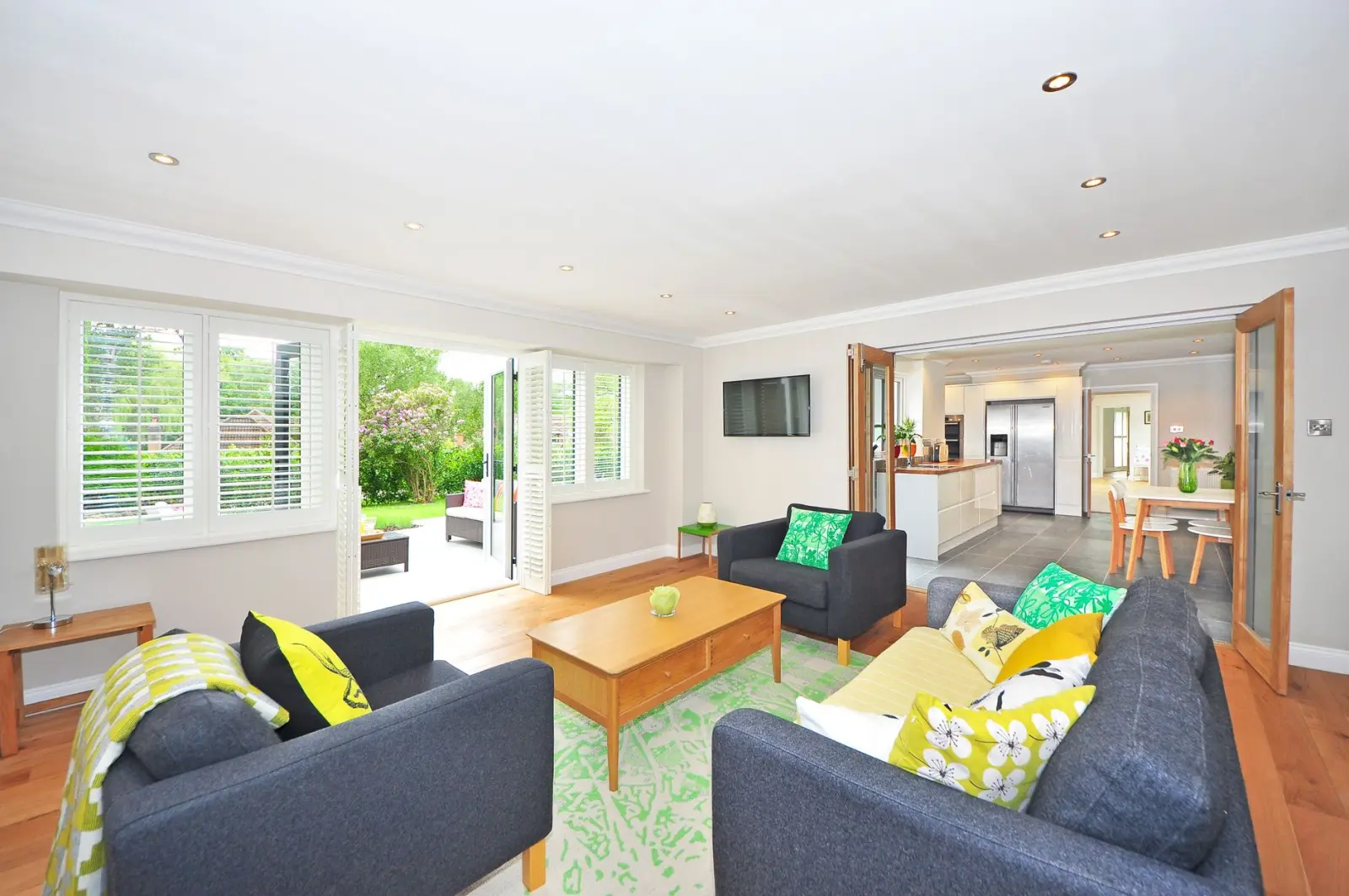
The shift I’ve observed most consistently is away from heavy, enclosed spaces toward something lighter and more connected. This isn’t just aesthetic preference. Australian homes tend to have generous ceiling heights and good natural light, and people are finally designing around those strengths instead of fighting them. Walls are coming down or staying open longer. Kitchen-living-dining areas are becoming one fluid zone rather than separate rooms. It’s practical: you can watch kids in the lounge while cooking, manage temperature more evenly across the space, and the house feels less cramped.
Materiality has shifted too. Where there was once a push toward polished concrete and industrial finishes, I’m seeing a move toward warmer, more textured surfaces. Timber is back, but not in the way it was ten years ago. It’s not about statement feature walls or rustic beams. It’s about honest, functional timber in joinery, cabinetry, and flooring – materials that age visibly and feel less sterile as they do. Concrete is still used, but it’s often paired with softer elements rather than left raw and cold.
Colour and Light in Practice
The colour palette in Australian homes has become noticeably more restrained. Soft, neutral tones dominate – warm whites, soft greys, muted ochres. This isn’t because neutrals are trendy in a global sense. It’s because strong colour shows dust and wear quickly in Australian light, which is intense and unforgiving. A bright accent wall looks fresh for six months, then it shows every mark. Neutral doesn’t mean bland; it means choosing depth and texture over saturation. I’ve seen this work particularly well with earth tones and warm greys that don’t read as cold or institutional.
How light enters a room has become central to design decisions. Australians get a lot of sun, and that’s both an asset and a problem. Large windows and glass doors are standard, but without proper shading, they make rooms uncomfortable and fade furnishings. The trend now is toward integrated shading solutions – motorised blinds, external louvres, and strategic planting – rather than fighting the light with heavy curtains. Internal spaces are being designed with this in mind from the start, not retrofitted later. Skylights and clerestory windows are appearing more often, pulling light deeper into homes without the heat load of north-facing glass.
Kitchens and Bathrooms: Function First
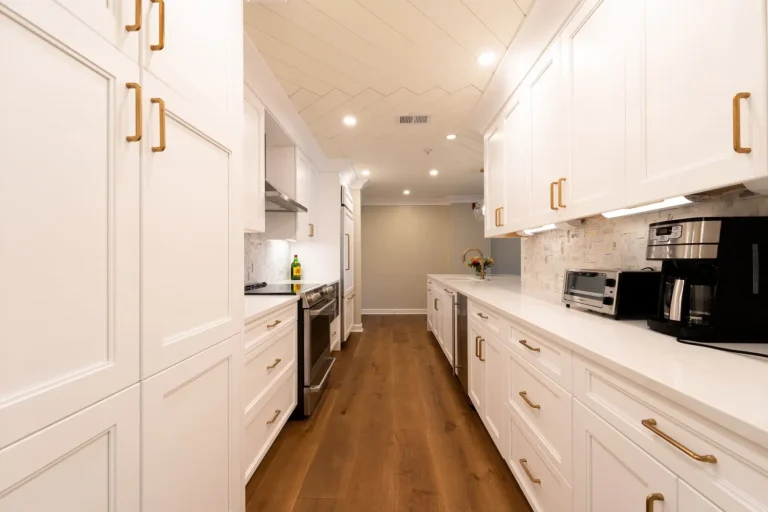
Kitchen design in Australian homes has moved away from the oversized island-and-marble aesthetic that dominated a few years back. What I see now are kitchens designed for actual cooking and storage, with layouts that make sense for the way people move through them. Bench depth is more practical, appliance placement considers workflow, and storage is hidden rather than displayed. The open shelving trend is fading fast – people realised that open shelves collect dust in Australian kitchens and require constant styling to look intentional.
Bathrooms have similarly become more restrained. Large-format tiles are standard now, but the focus is on durability and easy maintenance rather than luxury aesthetics. Wet rooms and frameless showers are common, partly because they work well in Australian climates and partly because they’re genuinely easier to clean and maintain. Vanities are often custom-built to maximise storage, and lighting is being treated as a serious functional element rather than an afterthought. I’ve noticed more emphasis on ventilation too – mould and moisture are real issues in many Australian climates, and design is finally addressing that upfront.
Outdoor and Indoor Blur
The boundary between inside and outside has become much more fluid. Decking, patios, and outdoor living areas are designed as extensions of the interior, with similar material palettes and spatial logic. This makes sense in Australia, where outdoor entertaining is a genuine lifestyle choice rather than a seasonal activity. Outdoor kitchens and dining areas are becoming more refined – not just a barbecue bolted to a fence, but properly integrated spaces with good shelter and weather protection.
Internal spaces are increasingly designed to open fully to outdoor areas. Bifold doors and sliding glass walls are standard now, and they’re being used more thoughtfully. The trend isn’t just about opening up; it’s about creating flexible spaces that can be sealed off when needed. This matters in Australian homes where temperature control and weather protection are real concerns.
Furniture and Soft Furnishings
Furniture choices reflect a move toward durability and comfort over trend-led design. Heavy, substantial pieces are back, but they’re chosen for longevity rather than statement value. Sofas are deeper and more comfortable. Dining tables are solid and built to last. The throwaway furniture trend has largely passed, probably because people are finally realising that cheap pieces don’t hold up well in Australian light and climate.
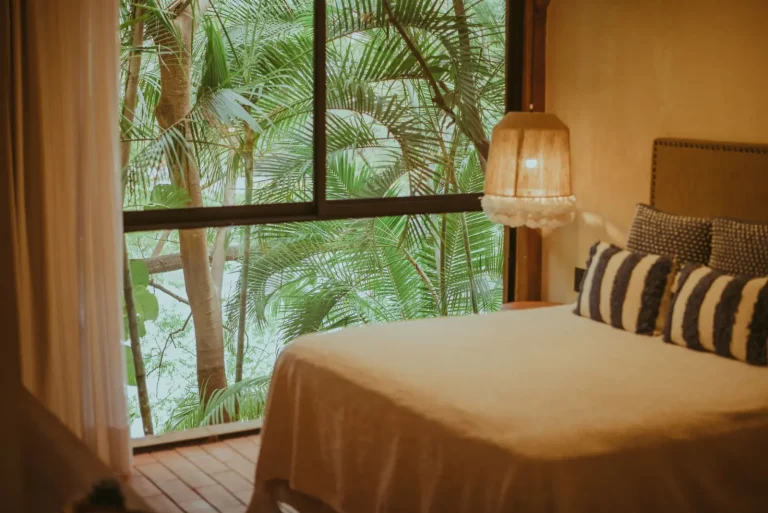
Textiles have become more considered. Natural fibres – linen, wool, cotton – are preferred over synthetics, partly for comfort in warm climates and partly because they age more gracefully. Layering with rugs, cushions, and throws is common, but the approach is more restrained than it was a few years ago. A room might have three or four carefully chosen pieces rather than ten accessories competing for attention.
What I’ve noticed most is that Australian homes are finally being designed for Australian conditions rather than imported aesthetics. The trends that stick are the ones that acknowledge our climate, our light, and how we actually live. The homes that feel most successful are those where design decisions are rooted in practical reality rather than what’s photographed well on social media.