
Over the past decade, I’ve watched Australian investment patterns shift in ways that track almost directly to climate policy announcements and regulatory changes. It’s not abstract. When the government signals a direction – whether through carbon pricing mechanisms, renewable energy targets, or fossil fuel phase-out timelines – money moves. Projects that looked viable suddenly stall. Others that seemed marginal become fundable. The relationship between policy and capital allocation is immediate and visible if you’re paying attention to where projects actually get greenlit or shelved.
The mechanics are straightforward. Institutional investors, particularly large superannuation funds and insurance companies, have fiduciary duties tied to long-term risk assessment. Climate policy changes the risk profile of assets. A coal-fired power station or a gas extraction project faces different regulatory and market headwinds depending on whether carbon pricing is in place, whether renewable targets are binding, or whether phase-out dates are legislated. These aren’t theoretical risks. They affect the cost of capital, the timeline to profitability, and whether a project gets approved by investment committees at all.
The Direct Effect on Energy Infrastructure
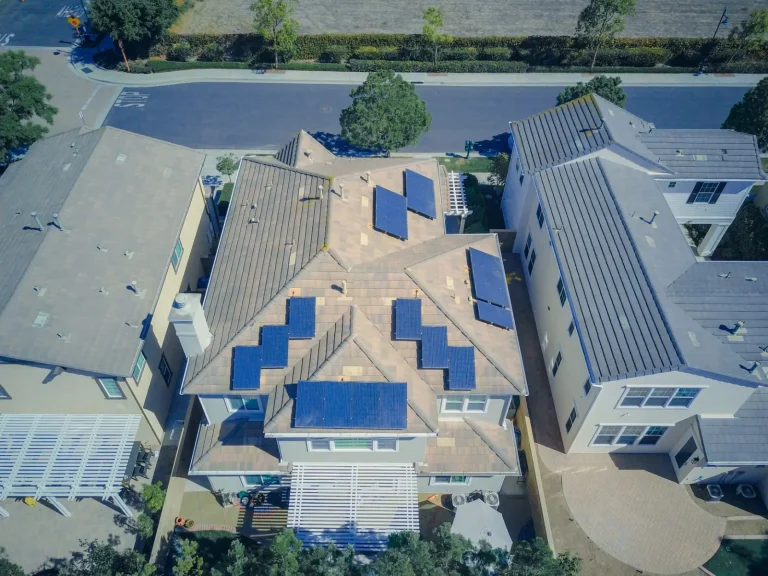
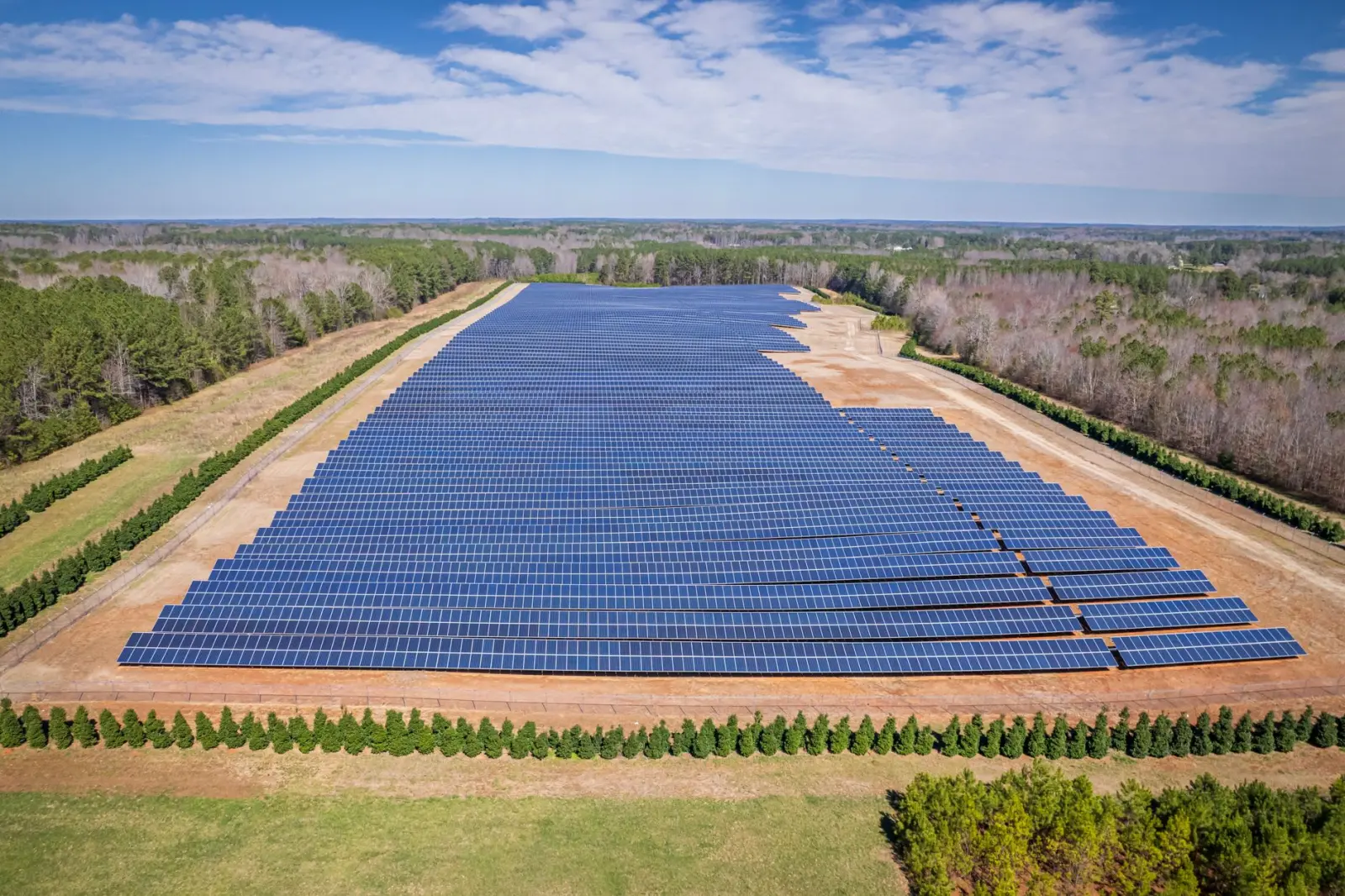
Energy investment has been the most visibly affected sector. When Australia had a carbon price under the Gillard government, renewable energy projects became more attractive relative to fossil fuel alternatives. The price on carbon made the economics of wind and solar more competitive. When that mechanism was repealed, the investment pattern reversed almost immediately. Projects that had been in development pipelines got deprioritized. Conversely, when the Renewable Energy Target was introduced and strengthened, investment in wind and solar farms accelerated. I’ve seen project finance teams shift their focus entirely based on whether a policy looked stable enough to justify the long development and construction timelines these projects require.
The uncertainty itself is often more damaging than the policy itself. Investors can work with a clear carbon price or a binding renewable target, even if it’s stringent. What they struggle with is ambiguity. When climate policy is contested, subject to political reversal, or unclear in its implementation, capital dries up. I’ve watched renewable energy projects get shelved not because the policy was unfavorable, but because it wasn’t certain enough. Banks and institutional investors need clarity on the regulatory environment five to ten years out. Australian climate policy has historically been volatile enough to create that uncertainty, and it shows directly in investment decisions.
Sectoral Spillover and Stranded Assets
Climate policy doesn’t just affect energy. It reshapes investment across the economy. Mining and resources companies face pressure from both policy and from investor expectations around carbon intensity and emissions reduction. This doesn’t necessarily mean investment stops, but it does mean capital flows toward lower-emissions extraction methods, toward companies with credible decarbonization plans, and away from companies perceived as exposed to future carbon regulation. I’ve seen this play out in how different mining operations are valued and financed. A coal mine faces different capital costs than an iron ore operation, not just because of commodity prices, but because of how investors assess the long-term regulatory environment.
Real estate and construction investment is affected more subtly but pervasively. Building standards, energy efficiency requirements, and embodied carbon considerations increasingly influence project feasibility. When climate policy tightens building codes or introduces carbon accounting requirements, the cost structure of construction changes. Developers factor in higher upfront costs for efficient systems, and that shifts what projects pencil out financially. I’ve seen commercial property developments redesigned or delayed because climate-related building standards changed the cost-benefit calculation.
Investor Expectations and Capital Reallocation
Beyond direct regulatory effects, climate policy shapes investor sentiment and capital allocation frameworks. Large institutional investors increasingly apply climate risk filters to their portfolios. When Australian policy signals a commitment to emissions reduction, it validates investor concerns about climate risk and justifies allocating capital toward climate-resilient and low-carbon investments. When policy is weak or inconsistent, investors still apply these filters, but they do so in spite of the policy environment rather than because of it. This matters because it means capital can flow away from fossil fuel exposure even when the government isn’t actively discouraging it.
I’ve observed that superannuation funds and asset managers increasingly use climate policy as one input into their investment theses. A strong climate commitment from government reduces the perceived risk of investing in renewables and clean technology. It also increases the perceived risk of holding stranded fossil fuel assets. This creates a self-reinforcing cycle. Good policy attracts capital to clean energy and away from carbon-intensive sectors. Weak or uncertain policy creates hesitation across the board, which tends to favor incumbent, established industries that can absorb regulatory uncertainty more easily than emerging sectors can.
The Timing Problem
One observation that stands out from years of tracking this: the lag between policy announcement and actual investment response is often longer than people expect. A new climate target or renewable energy commitment doesn’t immediately unlock capital. Investors need to see the policy actually implemented, need to understand how it will be enforced, and need to see evidence that it will be politically durable. This lag means that weak or contested policies can suppress investment for years even after they’re nominally in place, because investors remain skeptical they’ll stick around.
Conversely, strong policy signals can attract investment even before implementation is complete, because investors believe in the direction and want to position themselves early. I’ve seen renewable energy investment surge in anticipation of policy changes that hadn’t yet been formally implemented, simply because the political consensus seemed clear enough that investors were willing to bet on it.
The relationship between climate policy and investment in Australia is not mysterious or theoretical. It’s visible in project approvals, in capital allocation decisions, and in how different sectors are valued and financed. Policy creates the framework within which investors assess risk and opportunity. When that framework is clear and stable, capital flows efficiently toward lower-carbon alternatives. When it’s uncertain or contested, capital becomes more cautious, more expensive, and more likely to stick with established, less risky options. That’s not ideology. That’s how capital actually behaves.