
Regional Australia sits in an unusual position right now. Most of the national conversation around clean energy focuses on grid-scale solar farms, utility connections, and metropolitan rooftop installations. But out here, the dynamics are fundamentally different. I’ve spent enough time working across regional properties to see that the transition isn’t happening the same way it does in cities, and that’s actually where some of the most interesting opportunities lie.
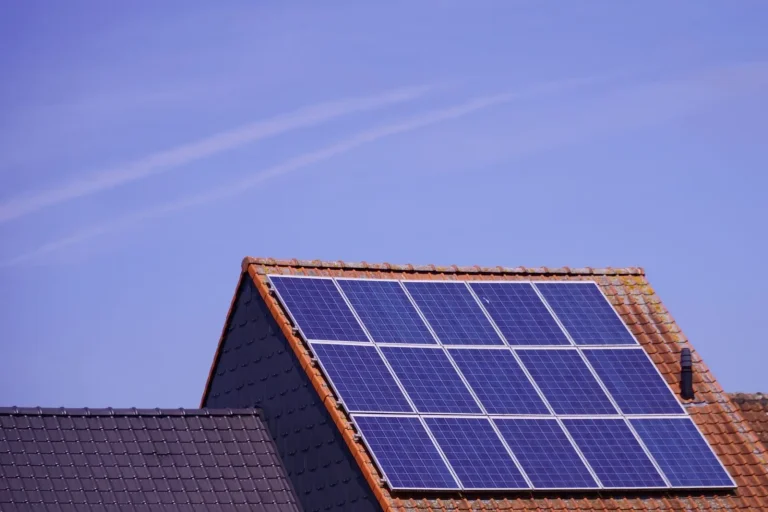
The first thing you notice is distance. A regional property might be several kilometres from the nearest grid connection, or the connection itself is old and undersized. That changes everything about what makes economic sense. A suburban home with a $8,000 solar system might break even in seven years through grid credits. A regional property with the same system might break even in five, because it’s avoiding expensive grid extension fees or reducing reliance on diesel generation. The maths shifts when you’re not just competing with grid electricity – you’re competing with the cost of getting grid electricity in the first place.
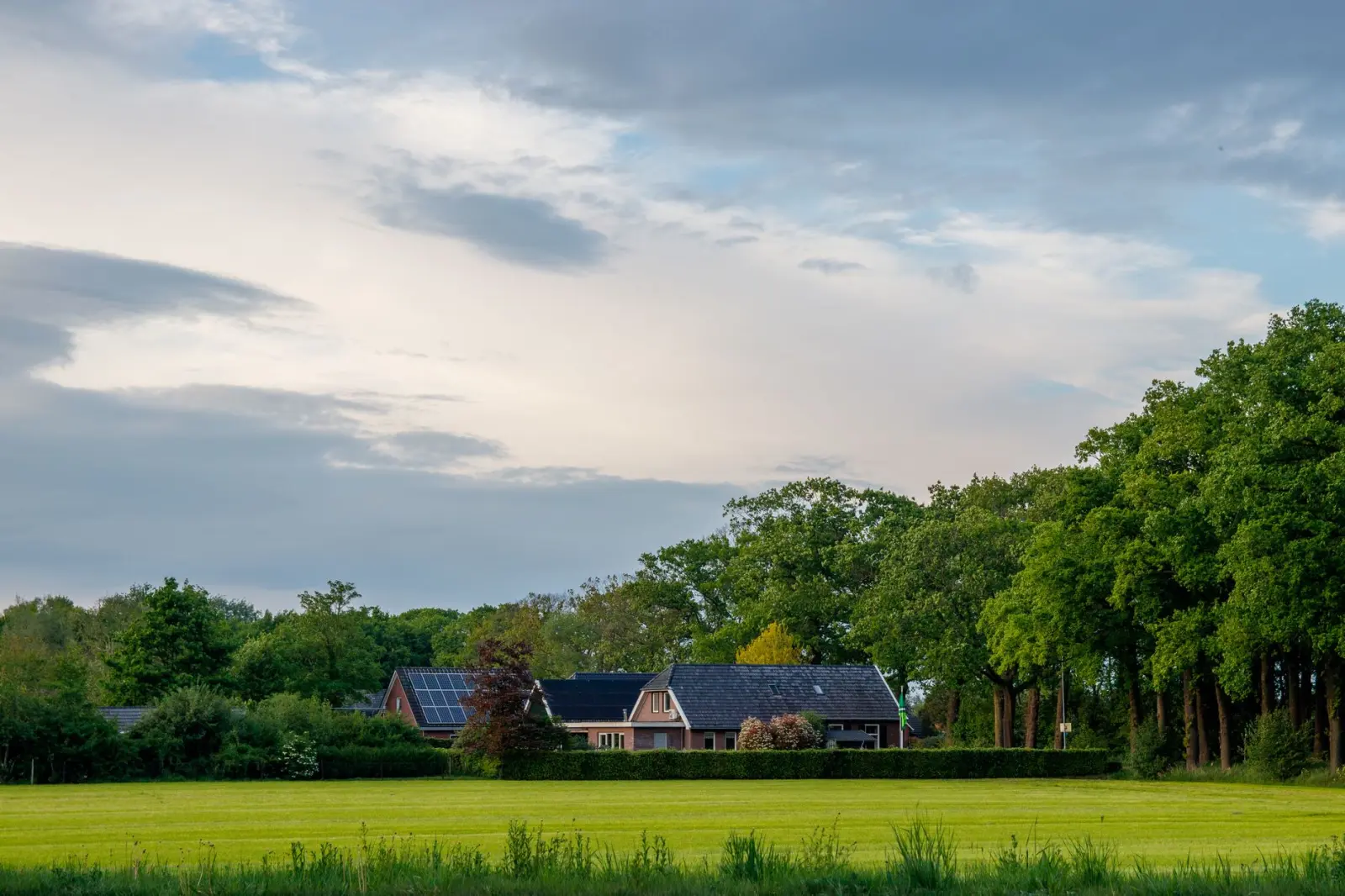
What I’ve observed is that regional properties often have assets that suburban homes don’t. Space for larger solar arrays. Room for battery storage without planning complications. Water tanks that can serve dual purposes in energy management. Sheds and outbuildings that can house equipment away from living areas. These aren’t luxuries – they’re practical advantages that change the viability of a whole energy system.
The Infrastructure Reality
Regional electricity networks are aging in most areas. Transformer capacity is tight in some zones, which means grid upgrades are expensive and slow. I’ve seen properties where adding a solar system required a $15,000 network upgrade before installation could proceed. That’s not uncommon. It’s a genuine barrier, but it also creates a compelling case for off-grid or hybrid systems that don’t push demand onto an already strained network.
The other constraint is service availability. An electrician in a regional town might be booked out for weeks. A solar installer might service your area once a month. This isn’t incompetence – it’s simple geography. When you’re planning an energy system in a regional property, you have to factor in installation timelines and maintenance access differently than you would in a city. Some people respond by choosing simpler systems that require less ongoing support. Others invest in slightly more robust equipment because they know service calls are expensive in time and travel.
Battery technology has changed this calculus significantly. Five years ago, battery storage was marginal for most regional homes. Now, a system that combines solar panels with a 10-15 kWh battery can handle most of a household’s daily needs, with grid connection as backup rather than primary supply. The payback period is still longer than in cities, but it’s becoming realistic within a property’s ownership timeframe.
Agricultural and Mixed-Use Properties
The real divergence happens on properties that aren’t purely residential. A farm, a small business, or a property with sheds and equipment has energy demands that look nothing like a suburban house. A dairy operation, a workshop, or an irrigation system creates load patterns that favour on-site generation and storage. I’ve worked on properties where a modest solar array combined with battery storage and smart load management has reduced grid dependence by 70 percent. That’s not possible on a typical suburban block because the energy profile is too flat.
Agricultural properties also benefit from grant programs and concessional finance that don’t apply to residential installations. State governments and regional development agencies have funded clean energy upgrades on farms because they reduce operational costs and improve viability. A regional property owner who’s also running a small agricultural or commercial operation often has access to funding streams that purely residential customers don’t.
Community and Microgrid Potential
This is where I think the real opportunity sits. Regional towns have been losing population and economic activity for decades. Clean energy infrastructure – whether that’s community solar, shared battery storage, or microgrid systems – can anchor local investment and create employment. I’ve seen small towns where a community solar project became a focus for local pride and economic activity.
Microgrids make particular sense in regional areas. A cluster of properties – residential, agricultural, and small commercial – can share generation and storage infrastructure more efficiently than each managing independently. The technology isn’t new, but the economics have shifted. Battery costs have dropped enough that a shared system serving 20 or 30 properties becomes viable where it wasn’t a decade ago.
The barrier isn’t technical. It’s coordination. You need property owners willing to collaborate, local council support, and someone to manage the system long-term. Those things are harder to arrange than installing panels. But when they work, they create resilience that benefits everyone. A town with a functioning microgrid isn’t vulnerable to grid failures the way a town dependent entirely on long distribution lines is.
The Skills and Employment Angle
Regional areas have lost trades and technical skills as industries have declined. A clean energy transition creates genuine employment opportunities – not just installation, but ongoing maintenance, monitoring, and system optimization. A regional town that develops expertise in solar, battery systems, and grid management can service a much larger area than just the town itself.
I’ve noticed that regional installers and technicians often develop deeper expertise than their metropolitan counterparts because they’re working with more varied conditions and older infrastructure. They have to understand hybrid systems, off-grid configurations, and integration with existing equipment. That’s valuable knowledge that becomes more valuable as the transition accelerates.
What makes sense in regional Australia isn’t a scaled-down version of metropolitan clean energy. It’s a different system altogether – one that works with local geography, existing infrastructure constraints, and community needs. The opportunities are real, but they require thinking differently about what energy independence actually means in a dispersed, resource-rich region.