
Heat pumps have become increasingly common in Australian homes over the past decade, and for good reason. I’ve installed and serviced dozens of them across different climates – from humid coastal areas to dry inland regions – and the technology genuinely works well when conditions align. But there’s a significant gap between what manufacturers claim and what homeowners actually experience once the system is running through a full year of Australian weather.
The fundamental appeal is straightforward: a heat pump moves thermal energy rather than generating it, which makes it far more efficient than electric resistance heating or gas. In heating mode, it pulls warmth from outside air and concentrates it indoors. In cooling mode, it reverses the process. This efficiency translates to lower running costs, which is why so many people consider them seriously. What catches people off guard is how their performance varies dramatically depending on outdoor temperature, humidity, and how the system was actually installed.
I’ve noticed that most problems emerge not from the technology itself but from mismatched expectations and installation shortcuts. A heat pump installed in a poorly insulated home will work harder and cost more to run than one in a well-sealed house. Similarly, a unit sized for mild climates will struggle during extreme heat or cold. These aren’t failures of the technology – they’re failures of planning.
How Australian Climate Actually Affects Performance
Australia’s climate diversity matters more than people realize when choosing a heat pump. In temperate zones like Melbourne or Sydney, heat pumps perform excellently year-round because outdoor temperatures rarely drop below freezing for extended periods. The system runs efficiently in both heating and cooling modes, and you see the promised energy savings.
In hotter, drier regions like inland Queensland or South Australia, cooling is the dominant load. Heat pumps excel at this, but you need to understand that air-source heat pumps (the most common type) become less efficient as outdoor temperature rises. When it’s 40°C outside and you’re trying to push cool air inside, the compressor works harder, and efficiency drops. This doesn’t mean the system fails – it keeps cooling – but your power bill climbs. I’ve seen homeowners in these areas surprised by summer electricity costs because they didn’t anticipate this reality.
Coastal humidity presents a different challenge. High moisture in the air affects how efficiently the outdoor unit can reject heat during cooling. The system compensates by running longer cycles, which again increases energy consumption. In very humid conditions, you might also see condensation issues around the indoor unit if drainage isn’t properly installed or maintained.
Cold climates are where heat pump selection becomes critical. In Tasmania or the high country, outdoor temperatures regularly drop to single digits or below. Modern heat pumps with inverter compressors handle this reasonably well, but efficiency does decline as temperature falls. Some older or cheaper models lose significant capacity below 5°C. If you’re in a genuinely cold region, you need a unit specifically rated for low-temperature operation, and you may need backup heating on the coldest days. I’ve seen people install standard heat pumps in cold areas and then run expensive electric heaters alongside them because the heat pump alone couldn’t keep up.
Installation Reality vs. Marketing Claims
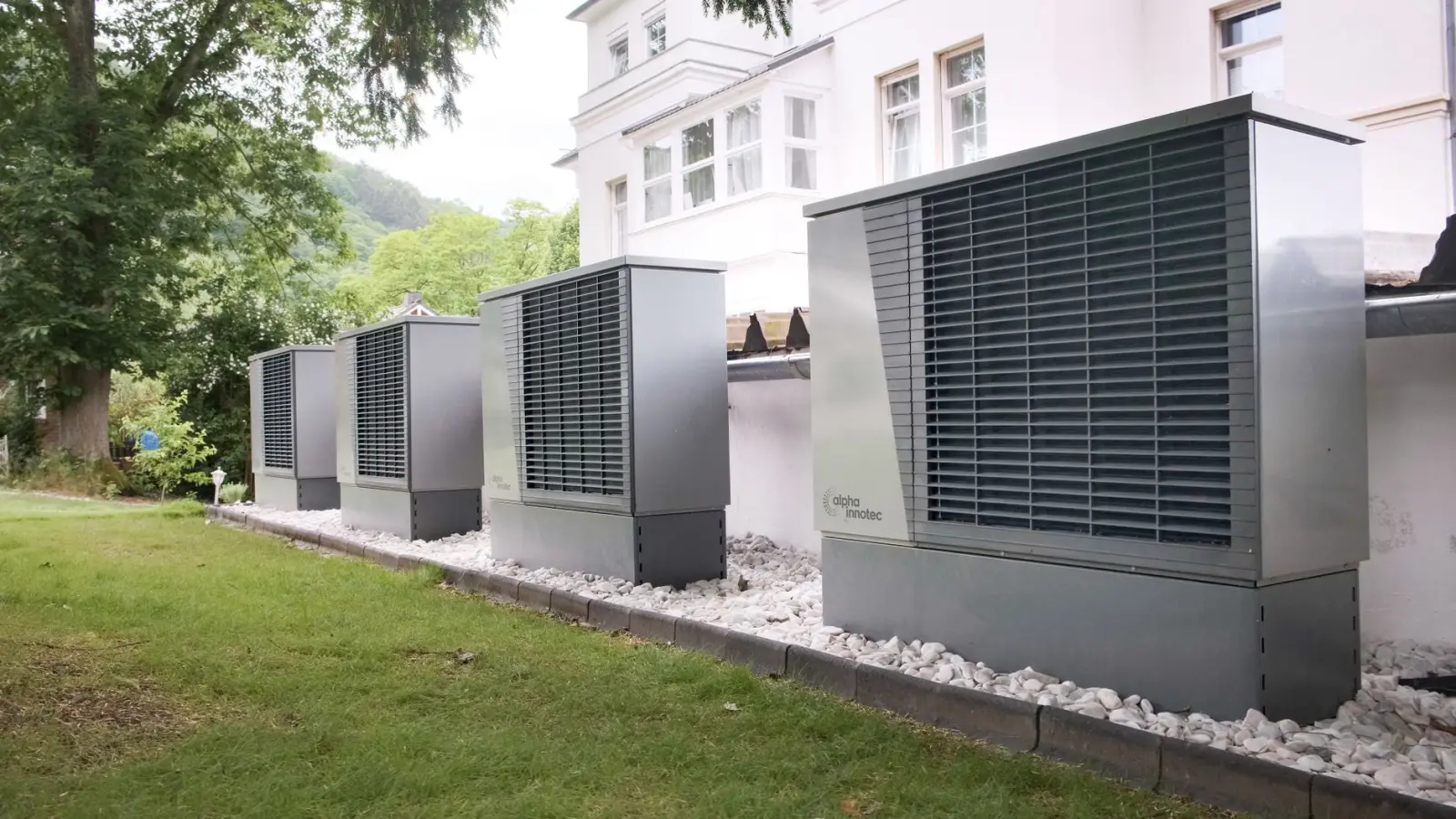
The quality of installation determines whether you get the promised performance or a system that underperforms from day one. I’ve walked into homes where the outdoor unit was crammed into a corner with poor airflow, where refrigerant lines were routed inefficiently, or where the indoor unit was mounted in a spot that didn’t distribute air properly. These aren’t rare cases – they’re common enough that I expect to find at least one issue on most service calls.
Proper refrigerant charge is one of the most overlooked factors. Too much or too little refrigerant and the system runs poorly, uses more electricity, and wears out faster. Many installers don’t accurately charge systems; they either eyeball it or use outdated methods. Modern systems should be charged by weight according to the manufacturer’s specifications, but I’ve found that not all installers follow this practice. The result is a system that technically works but operates at 10 – 20% below its rated efficiency.
Ductwork and airflow distribution matter enormously if you have a ducted system. Poorly sealed ducts, undersized ducts, or ducts routed through unconditioned spaces like attics waste energy and create hot or cold spots in the home. I’ve seen ducted heat pump systems where bedrooms stay cold in winter because the ductwork wasn’t balanced properly. This gets blamed on the heat pump when the real issue is the installation.
Running Costs and Real-World Efficiency
Heat pumps are more efficient than electric or gas heating, but they’re not free to run. A typical installation in a well-insulated Australian home will cost roughly 40 – 60% less to operate than electric resistance heating, depending on your climate and how you use it. In very cold climates, that advantage narrows. In mild climates, it widens.
I’ve found that homeowners often underestimate how much their usage patterns affect running costs. A heat pump running constantly to maintain 22°C throughout the home will cost significantly more than one that heats or cools only occupied rooms or allows temperature to drift slightly when no one’s home. The technology is efficient, but running it inefficiently – maintaining comfort in unused spaces or at unnecessarily precise temperatures – negates much of that advantage.
Electricity rates matter too. If you’re on a time-of-use tariff, running your heat pump during peak hours costs more per kilowatt-hour than running it off-peak. Some newer systems have smart controls that can shift heating or cooling loads to cheaper periods, but you need to set this up deliberately. Many people don’t, and they miss out on potential savings.
Maintenance and Longevity
Heat pumps require less maintenance than gas heating systems, but they’re not maintenance-free. The outdoor unit needs to stay clean – dust, leaves, and debris reduce airflow and efficiency. I clean outdoor units regularly, especially in areas with high pollen or near trees. In coastal regions, salt spray can corrode components if the unit isn’t cleaned periodically.
Indoor filters need regular replacement, just like any air-conditioning system. Neglected filters reduce airflow, increase strain on the compressor, and waste energy. This is basic, but I’m surprised how many people don’t change them.
The refrigerant circuit itself is sealed and shouldn’t need topping up if the system is installed correctly. If you’re losing refrigerant, there’s a leak that needs finding and fixing. Ignoring this degrades performance and can damage the compressor. I’ve seen systems run with low refrigerant for months because the owner didn’t realize there was a problem.
A well-installed heat pump typically lasts 15 – 20 years. I’ve serviced units that are older than that and still running, though efficiency does decline gradually over time. The compressor is the most expensive component to replace, and if it fails outside the warranty period, you’re looking at a significant repair cost. This is why installation quality and proper maintenance matter – they extend the system’s life and prevent premature failure.
Choosing and Sizing Correctly
Undersizing a heat pump to save money is a false economy. A unit that’s too small will run constantly and struggle to maintain comfort, especially during extreme weather. Oversizing is less common but also problematic – it cycles on and off frequently, which reduces efficiency and increases wear. The right size depends on your home’s insulation, climate zone, and how much heating or cooling you actually need.
I’ve seen people choose a heat pump based purely on price, then discover it’s not suitable for their climate or their home’s condition. A cheap unit in a poorly insulated home will cost more to run over its lifetime than a quality unit in a well-sealed home. The initial purchase price is only one part of the equation.
Inverter-driven compressors are now standard on decent heat pumps, and for good reason. They adjust their speed to match demand rather than running at full capacity all the time. This improves efficiency and reduces noise. If you’re looking at a fixed-speed heat pump, it’s likely an older design or a budget model, and you’ll see higher running costs.
Heat pumps work best in homes with good insulation, sealed air leaks, and reasonable window coverage. If your home loses heat quickly in winter or gains it rapidly in summer, the heat pump has to work harder to compensate. Improving insulation and sealing air leaks before installing a heat pump is often a better investment than buying a larger unit.
After years of working with these systems, I’ve come to see heat pumps as genuinely practical for most Australian homes, provided they’re chosen and installed thoughtfully. They’re not a magic solution that eliminates heating and cooling costs, but they do reduce them meaningfully when conditions are right. The gap between expectation and reality usually comes down to installation quality, proper sizing, and understanding how the system performs in your specific climate and home. Get those fundamentals right, and a heat pump will serve you well for a long time.