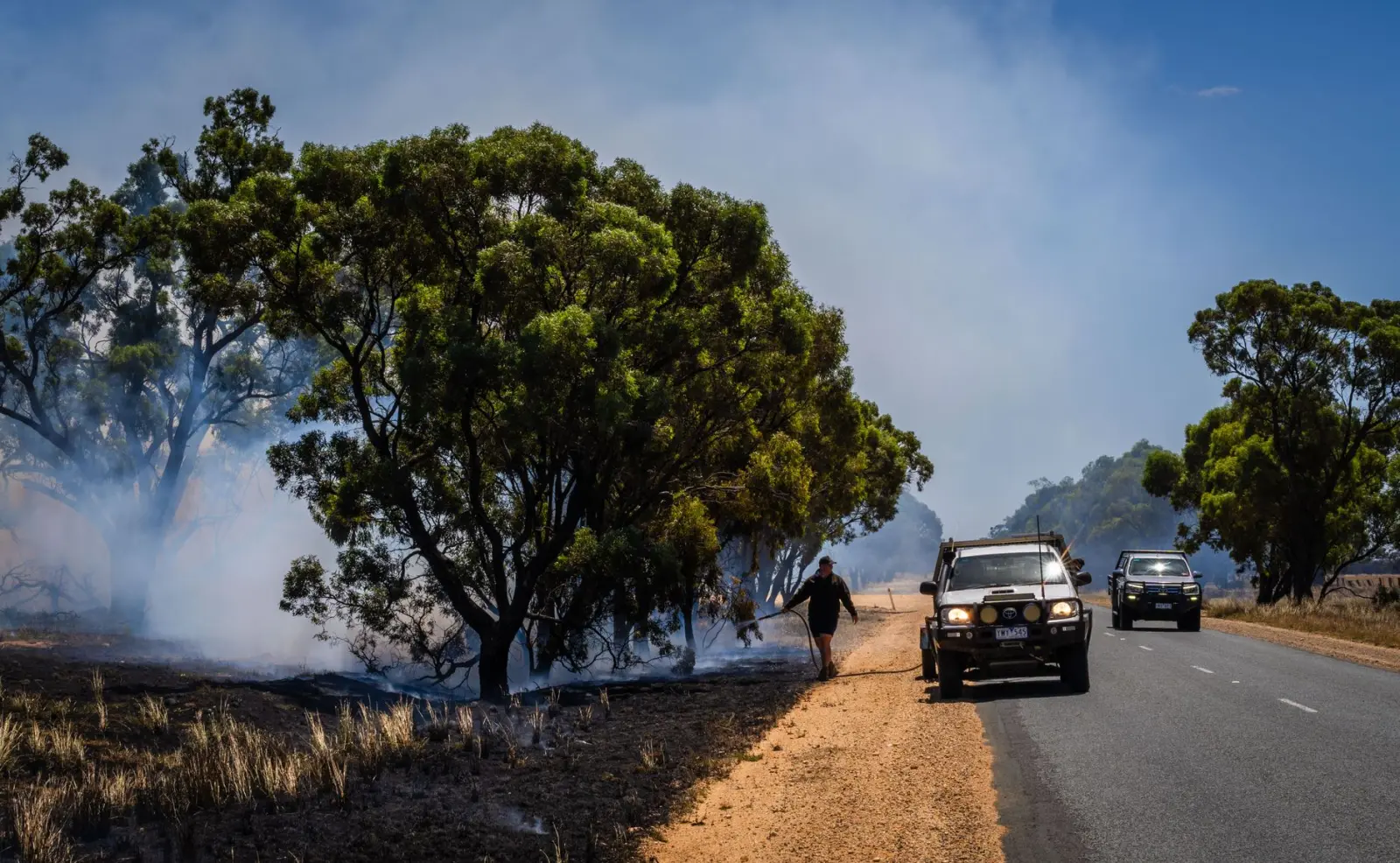
Over the past fifteen years, I’ve watched the bushfire season shift in ways that are hard to ignore. It doesn’t start and finish on a predictable calendar anymore. What used to be a concentrated danger period from November through February now bleeds into spring and autumn, sometimes flaring up in months when people have their guard completely down. The fires themselves behave differently too – they move faster, burn hotter, and jump distances that older fire models never accounted for. This isn’t speculation or worst-case scenario talk. It’s what’s happening in real time across Australia’s residential areas, bushland interfaces, and regional towns.
The relationship between climate change and bushfire risk isn’t abstract. Warmer temperatures mean the soil dries out faster and stays dry longer. Vegetation that would normally retain moisture through mild winters now enters the fire season already stressed and primed to burn. Humidity levels drop earlier in the year. Wind patterns are becoming less predictable. Each of these factors alone would complicate fire management. Combined, they create conditions that are genuinely outside the historical envelope that many communities were built around.
What the data actually shows
The 2019-2020 fire season was a watershed moment for most people, but the numbers tell a longer story. We’ve seen an increase in the number of days when fire danger ratings reach catastrophic or extreme levels. The geographic spread has widened too. Areas that historically experienced fire risk every ten or fifteen years are now seeing significant fire events every few years. Tasmania, which used to feel relatively insulated from major bushfires, has had multiple significant events in the past decade. Parts of Queensland that residents considered low-risk have burned. The variability itself has become a defining characteristic.
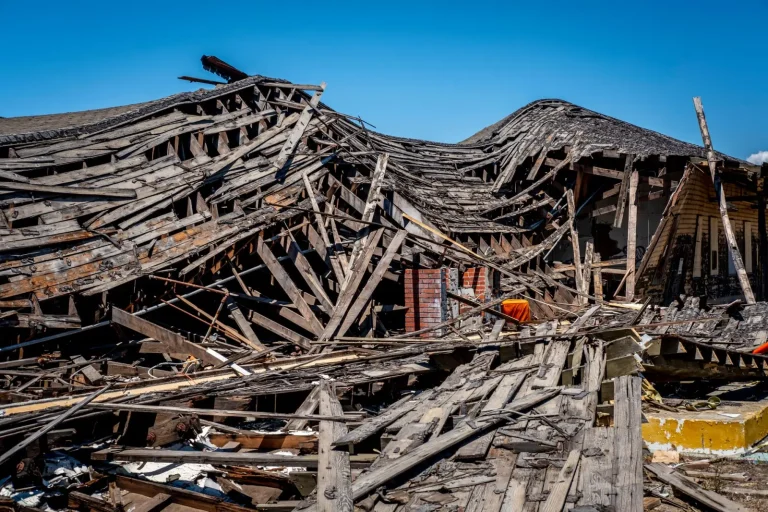
What matters for homeowners is not just the frequency but the intensity. Modern fires in Australia are producing fire behavior that’s genuinely difficult to defend against. Ember attack – where wind-driven embers ignite vegetation and structures ahead of the main fire front – has become the primary threat to homes rather than direct flame contact. A house that might have survived a 1980s-era bushfire can be destroyed by embers in a 2020s-era fire, even if the flames never directly touch it. This shift changes everything about how preparation and defense actually work.
Why this matters for where people live
The interface between bushland and residential areas has become the critical zone. In many cases, this wasn’t a deliberate choice – suburbs expanded into areas that were always going to have fire risk, but the risk was tolerable under older climate conditions. Now those same properties face a different calculus. I’ve spent time in communities where the fire risk has genuinely changed the character of life. People are more anxious. Insurance is harder to get and more expensive. Some properties are becoming difficult to sell because the risk profile has shifted visibly.
Inland areas that seemed safe because they were far from major bushland now face risk from grassfires that move with terrifying speed across open country. Coastal towns that relied on ocean breezes and moisture are experiencing inland-driven fires that push through their defenses. The assumption that distance from forest equals safety no longer holds reliably.
How preparation has had to evolve
Standard bushfire preparation advice from twenty years ago – clear gutters, remove dead wood, maintain defensible space – remains valid but insufficient. The speed and intensity of modern fires means that passive defense alone doesn’t work. Properties now need active management during fire season. That means monitoring conditions, having evacuation plans that account for roads being cut off, understanding ember attack specifically, and being realistic about whether your property can actually be defended or whether leaving early is the only sensible option.
Many homeowners I’ve worked with have moved beyond the “prepare and stay” mentality toward a “prepare and leave early” approach. This is a significant psychological shift, but it’s increasingly the most realistic strategy. Waiting to see how bad a fire gets before deciding to leave is no longer viable when fires can change character in minutes.
Building materials and construction standards have started to shift in response. Ember-resistant vents, metal gutters, tempered glass, and non-combustible roofing materials are becoming more common in high-risk areas. These aren’t luxury upgrades – they’re practical responses to changed fire conditions. A house with a standard metal roof and a non-combustible gutter system has a substantially better chance of surviving ember attack than one with traditional materials, even if everything else is equal.
The reality of living with increased risk
What I’ve observed is that communities handle this shift differently. Some embrace the challenge and invest in serious preparation. Others experience a kind of fatalism – a sense that if a major fire is going to come, there’s not much point in extensive preparation. The truth is somewhere in between. Preparation reduces risk meaningfully but doesn’t eliminate it. The goal is to shift the odds in your favor and ensure that if you do need to leave, you can do so safely and with your essential documents and irreplaceable items intact.
Insurance companies are now factoring climate change into their risk models explicitly. Properties in high-risk areas are seeing premium increases that reflect the changed conditions. Some insurers are withdrawing from certain areas entirely. This is creating a secondary problem where people can’t get coverage at any price, which affects property values and community stability.
The conversation around bushfire risk in Australia has moved beyond whether climate change is making fires worse. The evidence is clear enough that the question now is how to live responsibly in an environment where fire risk is genuinely increasing. That means honest conversations about which properties are defensible and which aren’t, about when to leave and when to stay, and about what preparation actually means in a world where fire seasons are longer and fires are more intense. For homeowners, it means understanding that the old assumptions no longer apply and that preparation needs to be taken seriously, not as a box to tick but as an ongoing reality of living in Australia.